Herbs For Gum Disease & Oral Health A Natural Approach


Bleeding gums feel worrying. Puffiness around teeth is bothersome. Many look for kinder ways to care for their mouth. Your mouth is a key part of your health. Gum problems are very common. They can impact your whole body.
Nature offers many answers. People used herbal medicine for centuries. Natural healing traditions are powerful tools. They support healthy gums.
I wrote this guide for you. I want to share effective herbal remedies for gum disease. We will explore ancient Ayurvedic oral care. You will find simple home remedies for healthy gums here.
First, learn about gum health basics. Then meet key herbs that help. We will cover traditional ways too. Modern ideas mix with old wisdom. Safety tips come last. This guide helps you take care of your mouth naturally.
Bleeding gums feel worrying. Puffiness around teeth is bothersome. Many look for kinder ways to care for their mouth. Your mouth is a key part of your health. Gum problems are very common. They can impact your whole body.
Nature offers many answers. People used herbal medicine for centuries. Natural healing traditions are powerful tools. They support healthy gums.
I wrote this guide for you. I want to share effective herbal remedies for gum disease. We will explore ancient Ayurvedic oral care. You will find simple home remedies for healthy gums here.
First, learn about gum health basics. Then meet key herbs that help. We will cover traditional ways too. Modern ideas mix with old wisdom. Safety tips come last. This guide helps you take care of your mouth naturally.
Understanding Gum Health and the Natural Approach
Gum disease is quite common. It starts with gingivitis. This means your gums are inflamed. They might look red or puffy. Sometimes they bleed when you brush. Plaque build-up causes this. Bacteria thrive in plaque.
Gingivitis can get worse. It can become periodontitis. This is a serious gum infection. It damages the bones supporting your teeth. This damage is often permanent.
Many people seek natural healing. They want gentler options. Conventional treatments work well. But some prefer fewer chemicals. They look for holistic dental health. This sees mouth health as part of overall wellness.
Natural remedies support your body. They help fight inflammation. They can balance bacteria. Herbs offer powerful properties. They are antimicrobial. They fight tiny harmful germs. Many herbs are anti-inflammatory. They calm swollen tissues. Some are antioxidant. They protect your cells. Astringent herbs tighten tissues. These properties help combat plaque. They soothe your gums.
Ayurveda has much wisdom. It offers ancient principles for oral care. This system links mouth health to digestion. A healthy gut supports a healthy mouth. Daily routines are important. These are called Dinacharya. Oil pulling is a key practice. Tongue scraping is another. These are foundational steps. They help keep your mouth clean.
Key Herbs for Combating Gum Disease & Promoting Oral Wellness
Nature gives us many helpers. Several herbs are great for oral health. I use them often in my practice.
Neem (Azadirachta indica)
Neem is a powerful plant. People in India used it for ages. It is a key part of traditional medicine. Neem twigs were used as chewing sticks. Studies show it fights bacteria. It is strongly antimicrobial. It also reduces inflammation.
You can find neem powder. Mix it with water for a rinse. Some toothpastes contain neem. You can chew on a fresh neem twig. It cleans teeth and gums naturally. Use a rinse once a day. It helps keep your mouth clean.
Clove (Syzygium aromaticum)
Clove has a strong smell. It is known for pain relief. Clove is also antimicrobial. It can fight mouth bacteria. People often use clove essential oil. Be very careful with essential oils. They are very strong.
Always dilute clove oil. Mix just one drop in a carrier oil. Olive or coconut oil works well. Rub this on sore gums. You can add a tiny drop to water. Use it as a short rinse. Do not swallow this mixture. Clove oil is potent. Use it sparingly.
Turmeric (Curcuma longa)
Turmeric gives curry its color. It is a potent anti-inflammatory. Research shows it reduces swelling. It is also a strong antioxidant. These properties help gum tissues. They calm irritation.
You can make a paste. Mix turmeric powder with a little water. Add a pinch of salt. Rub this paste on your gums. Leave it for a few minutes. Then rinse well. Some people add it to oil pulling. It stains teeth temporarily. But it can brighten over time.
Sage (Salvia officinalis)
Sage is more than a cooking herb. It is great for oral health. It is astringent. This helps tighten gum tissues. Sage is also antimicrobial. It fights germs in the mouth. It reduces inflammation too.
Make a sage mouthwash. Steep dried sage leaves in hot water. Let it cool down. Strain out the leaves. Use this infusion as a rinse. Swish it around your mouth. Do this a few times a day. It feels very soothing.
Myrrh (Commiphora myrrha)
Myrrh comes from tree resin. It has been used for centuries. It is very healing for tissues. Myrrh is astringent and antimicrobial. It helps gums heal. It reduces swelling.
You can use myrrh tincture. Add a few drops to warm water. Use this as a mouth rinse. It has a strong taste. You can also find myrrh in some toothpastes. Use a myrrh rinse daily. It supports gum tissue health.
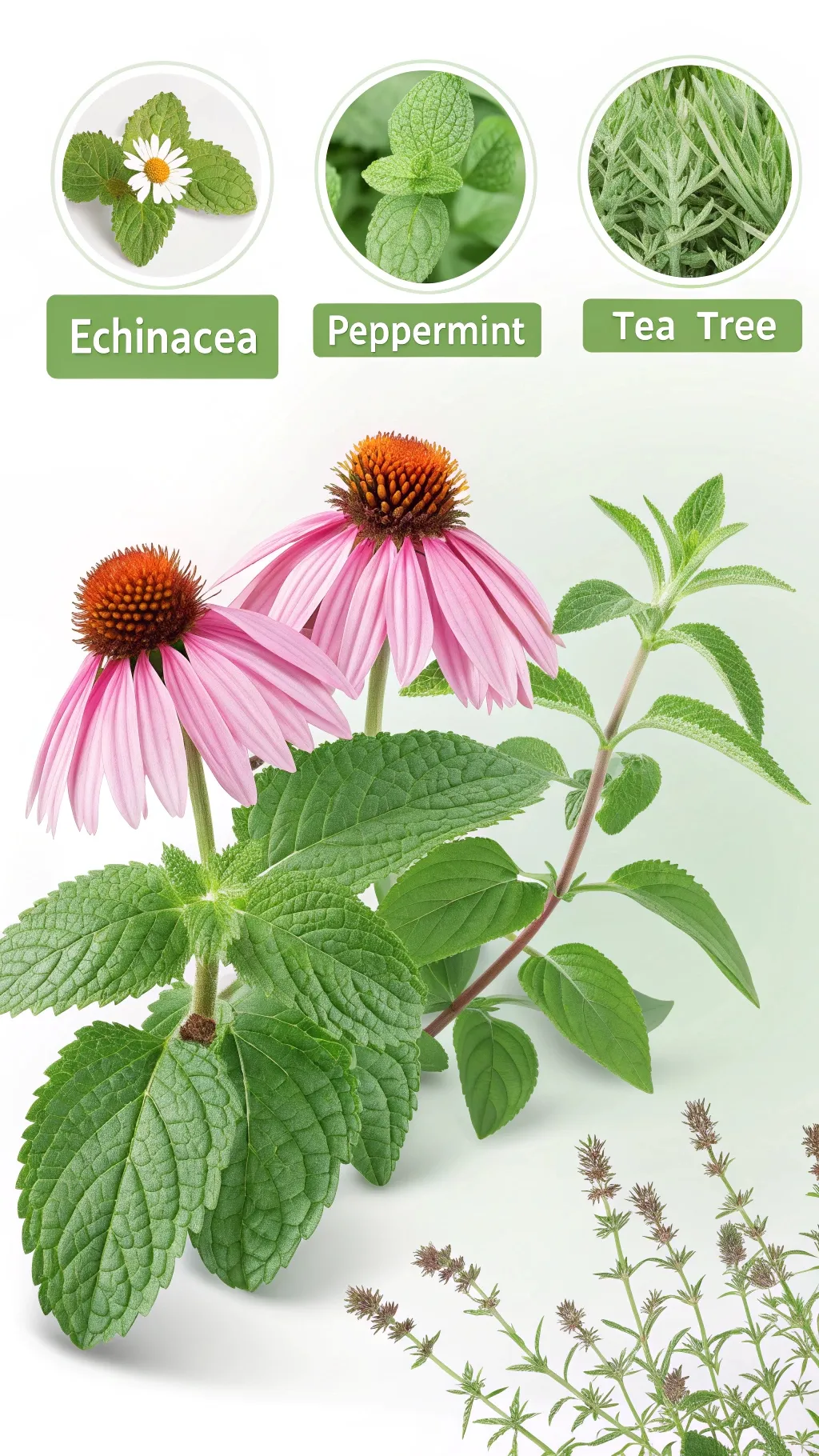
Peppermint (Mentha piperita)
Peppermint gives a fresh feeling. It is antimicrobial. It helps fight bad breath. It can also soothe irritation. People often use peppermint essential oil. Again, use this oil with great care.
Dilute peppermint oil heavily. Add one drop to a glass of water. Use this as a quick rinse. Do not swallow it. It gives a fresh mouthfeel. It helps kill some bacteria.
Licorice Root (Glycyrrhiza glabra)
Licorice root is sweet. It is anti-inflammatory. Some studies suggest it helps fight cavities. It can also soothe gum irritation.
You can chew on a piece of licorice root. It acts like a chewing stick. Or make a tea from the root. Use the cooled tea as a rinse. Be careful if you have high blood pressure. Licorice can affect blood pressure.
Case Study: Sarah’s Journey
Let me tell you about Sarah. She had bleeding gums. Her gums looked puffy and red. It was gingivitis. She wanted natural options. She decided to try some herbs.
Sarah started a daily routine. She made a simple herbal rinse. She steeped dried sage and myrrh. She used about a teaspoon of each herb. She added them to a cup of hot water. After cooling, she strained it. She used this rinse twice a day.
She also started oil pulling. She used organic sesame oil. Every morning, she put a tablespoon in her mouth. She swished it gently for 15 minutes. Then she spat it out.
She did this consistently for six weeks. She also kept brushing and flossing. Her gums bled much less. The puffiness went down. Her breath felt fresher. Her dentist noticed the improvement. This natural care supported her regular cleaning.
Traditional & Ayurvedic Oral Care Practices Beyond Single Herbs
Beyond single herbs, ancient wisdom offers full routines. These practices support your whole mouth.
Oil Pulling (Gandusha/Kavala)
Oil pulling is an ancient practice. It comes from Ayurveda. You swish oil in your mouth. Sesame oil is traditional. Coconut or sunflower oil works too. You take a tablespoon of oil. Swish it around for 10 to 20 minutes. Pull it through your teeth. Then spit it out. Do this on an empty stomach.
How does it work? The oil helps pull out toxins. It reduces bacteria and plaque. It supports the oral microbiome. This is the community of germs in your mouth. Healthy germs are good. Oil pulling can reduce bad germs. It helps reduce gingivitis. It cuts down plaque. It makes your breath fresher.
Neem Datun / Chewing Sticks
People used chewing sticks for ages. Neem datun is famous. It is a twig from the neem tree. You chew one end. It becomes like a brush. The fibers clean your teeth. The neem sap has herb properties. It fights bacteria. It cleans your mouth naturally. Licorice root is another option. Meswak sticks are also used. You chew the stick. Then rub it on teeth and gums. It is a simple way to clean.
Herbal Mouth Rinses (Formulations)
Combining herbs can be stronger. You get synergistic effects. One herb helps another. I like a simple blend. Mix sage, myrrh, and a tiny bit of peppermint leaf. Steep them together in hot water. Use this cooled tea as a rinse. Remember the caution with essential oils. Only use diluted herbal infusions. Never use pure essential oils internally.
Tongue Scraping
This is an Ayurvedic practice. It is called Jihwa Prakshalana. You use a scraper. Copper or stainless steel works best. Gently scrape your tongue. Do this every morning. It removes bacteria. It gets rid of coating on your tongue. This improves your taste buds. It also makes your breath much fresher. It is a quick, simple step. It is great for daily oral hygiene.
These traditional practices are popular again. People see them as wellness practices. They fit into modern routines. They support the natural oral microbiome.
Integrating Natural Care with Modern Dentistry & 2025 Outlook
Natural care is powerful. It supports your health. But it works best with modern dentistry. Natural remedies are complementary. They are not a replacement. You still need to brush your teeth. Flossing is also essential. Regular dental check-ups are a must. Professional cleanings are important. Natural methods help, but they cannot fix severe problems alone.
Always talk to your dentist. Tell them about the herbs you use. They can offer advice. They understand your full health picture.
You can also make DIY remedies. Try making your own toothpaste. Mix baking soda with clay. Add some herbal powders. Neem or myrrh powder work well. You can make herbal mouth sprays. Use a strong herbal infusion. Put it in a small spray bottle. These DIY remedies can be budget-friendly. Sourcing quality ingredients matters. Look for organic herbs. Find suppliers you trust. Sustainable sourcing is important too. We must protect the plants we use.
What about the future? People are focusing on the oral microbiome. We are learning more about it. Prebiotics and probiotics for the mouth are coming. They will work with herbs. Integrative health is growing. This means combining conventional and natural care. Sustainable sourcing will become more key. People want to know where their herbs come from. Personalized herbal blends may become common. Your unique needs guide the choices. Technology might help too. Apps could track your oil pulling routine. They could share info on herbs.
How to start? Pick one simple practice. Try a sage rinse daily. Or start oil pulling a few times a week. Find good places to buy herbs. Learn about them slowly. Discuss natural options with your dentist.
Safety, Sourcing, and Ethical Considerations
Safety comes first always. Natural does not mean harmless. Talk to a healthcare professional. This includes your dentist or doctor. A qualified herbalist is also a great resource. Herbs can interact with medicines. Be extra careful if you take prescriptions.
Identify your herbs correctly. Use reliable sources. Essential oils need extreme caution. Always dilute them properly. Do not take them internally unless advised by an expert. Check for allergies. Some people react to certain plants.
Sourcing quality herbs is key. Look for organic options. Wildcrafted herbs are good. Ensure they are ethically gathered. Ask where your herbs come from. Reputable suppliers are important. Avoid herbs that are contaminated. Make sure they are the right plant. You can also grow some herbs yourself. Sage and peppermint are easy.
Think about sustainability. Some wild plants are over-harvested. Choose cultivated options when possible. Support suppliers who use sustainable methods. Ethical sourcing protects the plants. It helps the communities that gather them.
FAQs
Can herbal remedies replace brushing? No. Brushing and flossing are key. Dental visits are needed too. Herbs support this basic care.
How fast do herbs work for gums? Results vary. Minor issues might improve in weeks. Consistent use is important. Keep up good oral hygiene.
Is oil pulling safe for everyone? It is usually safe. Do not swallow the oil. Avoid it if you have trouble swallowing safely. Talk to your dentist first if you have health issues.
Which Ayurvedic practice is easy to start? Tongue scraping is very easy. A simple herbal rinse is also a good start. Oil pulling a few times a week works too.
Are there herbs I should avoid? Yes. Some herbs are not safe. They can react with medicines. Essential oils need careful use. Always research first. Ask a professional if you are pregnant or on medication.
Conclusion
Herbs offer great support. They help with gum disease. They boost oral hygiene. They are valuable tools. They fight inflammation. They kill bad germs. Ancient traditions like Ayurveda offer routines.
Natural approaches work best. Use them with professional dental care. They are not a substitute.