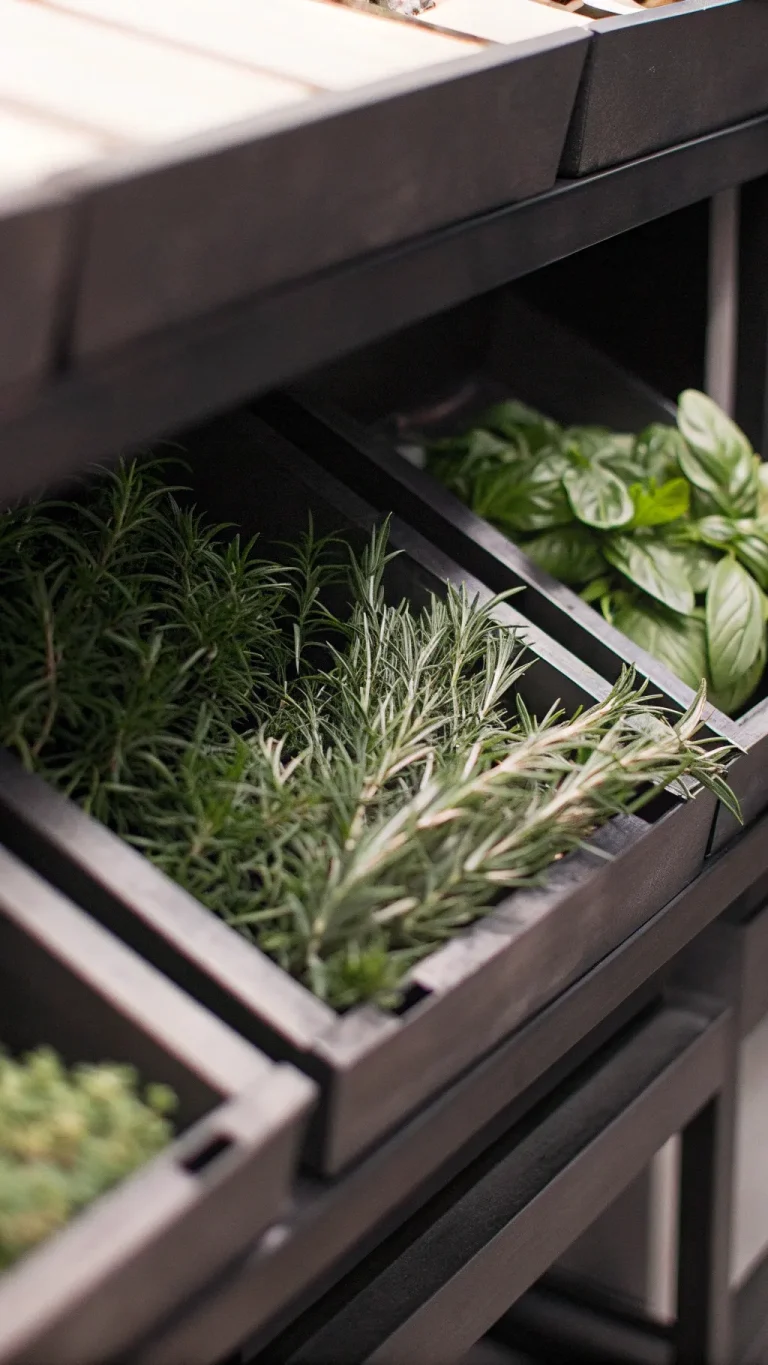
Herbs For Gut Health Nurturing Your Digestive System


Does your belly feel upset often? Maybe bloating or gas bothers you. Digestion problems are very common. They really drag down your daily energy. Poor gut health impacts your whole wellness. Many people seek gentle, natural ways now. Your gut is complex inside. It has a whole tiny world. Modern life can easily upset its balance. But nature gives us powerful help. Consider herbs for gut health. This is ancient herbal medicine. It offers true natural healing. I have seen it work for years. This guide explores helpful herbs for gut health. We blend old wisdom. We add new understanding. You will find simple home remedies. We will cover gut basics first. You’ll meet specific herbs next. See the Ayurvedic view too. Learn to make remedies yourself. We look at a full wellness plan. See what is coming in 2025. Let’s start this journey.
2. Understanding Your Gut: The Foundation for Herbal Support
Your gut does more than digest food. It is key for your whole body. A healthy gut helps your immune system. It lifts your mood too. Your energy feels better. This is total holistic health.
Inside your gut lives a tiny world. This is the gut microbiome. Billions of bacteria live there. A good balance is vital. They help break down food. They make vitamins. They protect you.
Your gut talks to your brain. This is the gut-brain axis. You feel it when you get butterflies. Or when stress upsets your stomach. Gut issues can affect how you feel mentally.
Many people face gut troubles. Bloating feels uncomfortable. Gas can be embarrassing. Indigestion is common after meals. Constipation means slow movement. Diarrhea means things move too fast. IBS brings cramps and changes. This needs a doctor’s check. Acid reflux burns sometimes. Leaky gut is a concept. It suggests the gut lining gets weak.
Digestive herbs can offer help. They work in many ways. Some herbs reduce gas. They are called carminatives. Some calm cramps. These are antispasmodics. Anti-inflammatory herbs soothe irritation. Some herbs help you go. They act as laxatives. Astringents can firm things up. Bitter herbs start digestive juices flowing. Mucilaginous herbs coat and protect. Some herbs feed good bacteria. They are like prebiotic food.
I suggest tracking your food. Note your symptoms too. This helps you learn your body. You see what triggers issues. Then you can pick the right herbal treatments for digestion. It gives you a clearer picture.
3. Key Herbs for Gut Health: Traditional Wisdom Meets Modern Insight
Nature offers many helpers. These herbs for gut health have long histories. People used them for ages. This is herbal medicine at its core. Traditional medicine relies on them.
Let me share some favorites. I use them often in my practice.
Ginger (Zingiber officinale)
People worldwide use ginger. It helps with indigestion. It calms nausea. It eases bloating. Ginger helps food move along. It warms your Agni.
It works by speeding things up. It also calms spasms. You can use fresh ginger. Add it to cooking. Make ginger tea. Dried ginger powder works too. Capsules are easy.
A general dosage is 1-4 grams a day. Start small. Too much might cause heartburn for some. Be careful if you take blood thinners. Ginger can thin blood a bit.
Ginger pairs well with fennel. Both ease gas. Turmeric is a good friend. It adds more anti-inflammatory power.
Peppermint (Mentha piperita)
Peppermint is famous for guts. It really helps with bloating. It stops gas. It calms IBS cramps. It makes your gut muscles relax.
Peppermint tea is very popular. Drink it after eating. You can use tincture drops. Capsules with enteric coating work best for IBS. They pass into the intestines.
Drink 1-2 cups of tea daily. Use 1-2 ml of tincture. Follow capsule directions. Peppermint can worsen heartburn. Avoid it if you have GERD.
Chamomile is a nice partner. It adds calming power. Lemon balm also works well. It soothes the gut too.
Fennel (Foeniculum vulgare)
Fennel seeds are wonderful. They stop gas. They ease bloating. They help with mild indigestion. Fennel is a mild laxative. It helps babies with gas too.
Fennel works like peppermint. It relaxes gut muscles. It helps gas bubbles pass. Chew the seeds after meals. Make a simple tea. Just pour hot water over seeds.
Drink 1-2 cups of tea. Chew a teaspoon of seeds. Fennel is generally safe. Some people might have skin reactions. This is rare.
Anise seeds are similar. Caraway seeds work the same way.
Chamomile (Matricaria recutita)
Chamomile tea is very soothing. It calms an upset gut. It reduces inflammation. It stops cramps. It helps with gut issues from stress. It has gentle anti-inflammatory power. It calms spasms.
Drink chamomile tea often. Use 2-4 cups daily. Tinctures are available. Chamomile is very safe. Some people allergic to ragweed might react.
Lemon balm is a good friend. It adds more calming effect. Catnip also soothes the gut.
Marshmallow Root (Althaea officinalis)
Marshmallow root is very mucilaginous. It gets slimy when wet. This sliminess coats your gut lining. It soothes inflammation. It helps with constipation. It can help with leaky gut. It forms a protective layer.
Make a cold infusion tea. Soak the root in cold water for hours. This pulls out the mucilage. Drink the tea. Powder or capsules are options.
Drink several cups of cold infusion. Follow package directions for powder/capsules. Take it away from other meds. It can slow absorption. It is very safe.
Slippery Elm is similar. It has the same soothing action.
Artichoke Leaf (Cynara scolymus)
Artichoke leaf helps your liver. It makes bile flow better. Bile helps digest fats. This eases indigestion. It reduces bloating. It stimulates digestion gently.
Use artichoke leaf extract. Capsules are common. Make a tea from dried leaves.
Follow extract dosage on the label. Tea can be bitter. It is generally safe. Avoid if you have gallstones. It makes bile flow, which could cause problems.
Dandelion root also helps bile flow.
Triphala (Ayurvedic Blend)
Triphala is a cornerstone. It is vital in Ayurveda for digestive health. It means “three fruits”. It blends Amalaki, Bibhitaki, and Haritaki. It balances your whole system.
Triphala is a mild laxative. It helps clean your gut. It tones the gut muscles. It supports healthy elimination. It is not harsh. It helps remove Ama.
Take Triphala powder. Mix it with warm water. Drink it before bed. Capsules are easy too.
A common dosage is 1/2 to 1 teaspoon powder. Start low. Adjust as needed. Triphala is generally safe. It might cause loose stools at first.
Some clinical studies support Triphala. They show its gut benefits. It is a trusted blend.
Here is a quick look at these herbs:
| Herb | Main Action | Helps With | Forms |
|---|---|---|---|
| Ginger | Warms, moves food | Indigestion, nausea, bloating | Tea, powder, caps |
| Peppermint | Relaxes muscles | Bloating, gas, IBS cramps | Tea, tincture, caps |
| Fennel | Stops gas, mild lax | Gas, bloating, indigestion | Seeds, tea, caps |
| Chamomile | Calms, soothes | Upset stomach, stress issues | Tea, tincture |
| Marshmallow Root | Coats, protects | Constipation, inflammation | Tea (cold), powder, caps |
| Artichoke Leaf | Stimulates bile | Indigestion, bloating | Extract, tea |
| Triphala | Balances, tones | Constipation, cleansing | Powder, caps |
Remember, these are general ideas. Always check with a professional. They help you find the right herbal treatments for digestion.
4. Ayurveda and Digestive Wellness: Balancing Your Inner Fire (Agni)
Ayurveda sees digestion differently. It talks about Agni. This means “digestive fire”. A strong Agni is key to health. When Agni is weak, food doesn’t digest well.
Undigested food turns into Ama. This is like sticky toxins. Ama blocks channels. It causes many problems. It leads to gut issues. Ayurveda principles focus on keeping Agni strong.
Your dosha affects your Agni. Vata Agni can be irregular. Pitta Agni is strong but can burn too hot. Kapha Agni is slow and steady. Balancing your dosha helps your gut.
Ayurveda suggests simple habits. Chew your food slowly. Eat in a calm place. Don’t rush meals. Eat only when truly hungry. Avoid cold drinks. They dampen Agni. Sip warm water. Add ginger or lime to it. Don’t eat heavy food late at night. Ayurveda has food combining ideas too. They help digestion.
Certain Ayurvedic herbs help Agni. We talked about Triphala. It is a great cleanser. It helps balance.
Another great blend is CCF Tea. This uses Cumin, Coriander, and Fennel. These are common spices. They are powerful for digestion. This tea balances all doshas. It calms bloating and gas.
To make CCF Tea:
Get equal parts cumin, coriander, and fennel seeds.
Use about 1 teaspoon total per cup.
Lightly crush the seeds.
Add hot water.
Let it steep for 5-10 minutes.
Strain and sip slowly.
Drink CCF tea between meals. Or about 30 minutes after eating. It really supports your Agni. It is an easy traditional medicine practice.
Hingvastak Churna is another blend. It is good for gas and bloating. It contains Hing (asafoetida). Ajwain (Carom seeds) is great for gas too. Chew a few seeds after a meal. Dry ginger powder is hotter than fresh. It is good for weak Agni.