Best Herbs For Joint Pain And Arthritis


That first step in the morning can be tough. A familiar ache may greet you. Maybe it’s in your knees or your fingers. You are not alone in this feeling. I have spent years helping people find relief. They want to garden or play with their grandkids. They seek gentle ways to soothe their joints.
This guide is for you. I will share the best herbs for joint pain and arthritis. My approach moves beyond old tales. I focus on plants with a history of use. They are also backed by modern research. I will explain their powerful anti-inflammatory actions“>anti-inflammatory actions. You will learn how to prepare and use them safely“>prepare and use them safely. This is a practical path to natural healing.
For centuries, these plants were medicine. Ancient healers in different cultures revered them. They saw these herbs as key to staying mobile. This wisdom is a vital part of plant medicine. It shows a long history of success. I honor this traditional knowledge in my practice.
My goal is to give you confidence. I want you to understand these botanical remedies. You will learn how they can ease joint stiffness. You will see how herbal medicine can support your body. This guide offers a blend of old wisdom and new science. It provides the tools you need. You can start your journey to better joint health today.
Disclaimer: This information is for educational purposes only. It is not a substitute for professional medical advice. Always consult your healthcare provider before starting any new herbal remedy. This is especially true if you are pregnant, nursing, or on medication.
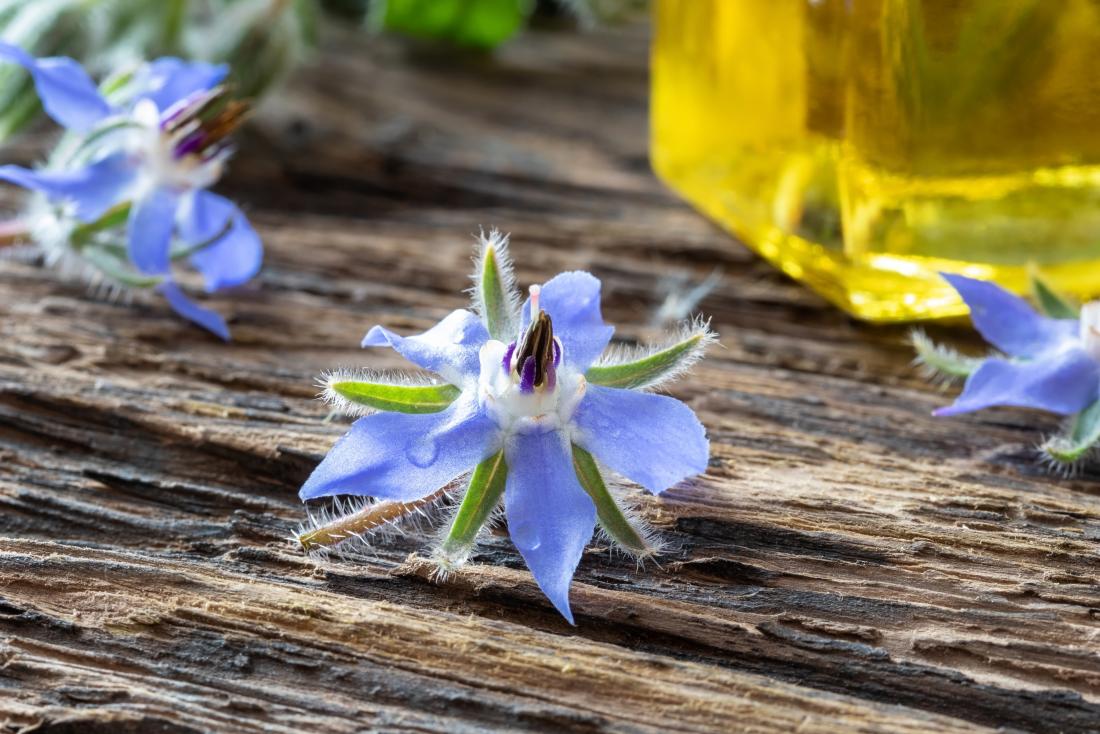
Image Credit: www.medicalnewstoday.com
Traditional Uses and Historical Background
Herbs for joint pain are not a new discovery. They are ancient plant medicine. For thousands of years, cultures worldwide have used them. These botanical remedies form the foundation of natural healing. I have spent years studying these historical texts. I am always amazed by their timeless wisdom.
Ancient Wisdom for Modern Aches
Great healing systems saw joint pain differently. In Ayurveda from India, joint pain is often a Vata imbalance. This is an issue of excess air and movement. It can cause dryness and stiffness in the joints. Healers used warming, moistening herbs to bring balance. They aimed to soothe the entire system.
In Traditional Chinese Medicine (TCM), pain is a blockage. It is often seen as “Bi syndrome,” or obstruction. This can be caused by wind, cold, or dampness. The goal was to move energy (Qi) and blood. This would clear the blockage and stop the pain. This holistic view is key to understanding healing herbs.
A Global Apothecary for Joint Health
Many herbs we use today have rich histories. Their stories span continents and centuries.
- Turmeric: In India, this golden spice is a treasure. I remember my Ayurvedic teacher calling it “the great purifier.” It was used for everything from joint pain to skin health. Its power comes from a compound we now call
curcumin. - Ginger: This warming root is a star in TCM. It was used to expel cold from the body. This helped ease
joint stiffnessfrom cold, damp weather. I often prepare a simpleherbal tea for painwith ginger. It is a tradition that offers deep comfort. - Boswellia (Frankincense): This resin is sacred. It was used in ancient Egypt, Africa, and the Middle East. It was burned as incense and used as medicine. It was prized for its ability to cool inflammation. Its active parts are called
boswellic acid. - Willow Bark: In Europe, people chewed willow bark for pain. Native Americans also used it for fever and aches. This plant gave us the blueprint for modern aspirin. It is a perfect example of
alternative medicineinspiring science.
From Ancient Texts to Modern Labs
Today, science is catching up with tradition. Researchers are studying these plants closely. They have identified the active compounds in them. We know gingerol in ginger helps reduce pain. We know curcumin in turmeric fights inflammation. This is evidence-based herbal medicine.
This research confirms what herbalists have known for generations. It gives us new ways to use these plants effectively. It does not replace traditional knowledge. It builds upon it. This history of safe use is very important. It guides our path to natural pain relief and long-term wellness.
Disclaimer: This information is for educational purposes only. It is not a substitute for professional medical advice. Always talk to your healthcare provider before starting any new herbal remedy. This is especially true if you have a medical condition or take medications.
The Science of Soothing: How Herbs Combat Joint Pain
I have worked with many people over the years. They often struggle with joint pain. The source of this pain is usually inflammation. Understanding inflammation is the first step. It is your body’s natural defense system. It helps you heal from injury or illness.
Sometimes, this defense system does not turn off. Imagine a fire alarm that keeps ringing. The fire is out, but the noise continues. Chronic inflammation is like that constant alarm. It can lead to pain, swelling, and joint stiffness. This is common in both osteoarthritis and rheumatoid arthritis.
Understanding Active Compounds in Healing Herbs
Anti-inflammatory herbs offer a gentle way to help. They work by quieting those alarm signals. Each plant contains powerful natural substances. We call these active compounds. These compounds are the core of plant medicine. They interact with your body’s pain pathways.
In my practice, I focus on these compounds. They provide the real natural healing benefits. For example, some compounds block enzymes like COX-2. These enzymes create pain signals in the body. By blocking them, herbs can reduce discomfort. This is a key part of herbal medicine for joint pain.
Here are some of the most studied compounds:
- Curcumin: This is the bright yellow compound in turmeric. It is a very strong anti-inflammatory. I have seen it bring great relief to many.
Curcuminworks on multiple inflammatory pathways at once. This makes it a powerful tool fornatural pain relief. - Gingerol: Found in fresh ginger,
gingerolgives it a spicy kick. It shares properties with common pain relievers. It helps reduce pain and morning stiffness. It also supports healthy digestion. - Boswellic Acid: This comes from Boswellia, or frankincense resin.
Boswellic acidis special. It targets a specific inflammatory pathway that many other remedies miss. This action helps protect cartilage from breaking down.
These botanical remedies support your body’s health. They work with your system, not just on it. This is the heart of a holistic approach to arthritis.
How These Compounds Support Joint Health
The table below shows how these key compounds work. It helps you understand their specific actions. This is a core part of evidence-based herbal medicine.
| Active Compound | Found In | Primary Action for Joint Pain |
|---|---|---|
| Curcumin | Turmeric | Blocks multiple inflammatory signals. |
| Gingerol | Ginger | Reduces pain and stiffness. |
| Boswellic Acid | Boswellia | Protects cartilage from damage. |
Using these healing herbs is about more than just stopping pain. It is about restoring balance. It helps your body manage inflammation better. This can lead to greater mobility and wellness.
Health Disclaimer: This information is for educational purposes only. It is not a substitute for professional medical advice. Always talk to your healthcare provider before starting any herbal supplements or remedies. This is very important if you are pregnant, nursing, or taking other medications. Natural remedies can be powerful and may have interactions.
Image Credit: www.healthline.com
Preparation Methods and Dosage Guidelines
Using herbs correctly is very important. The right method helps your body use the plant medicine. I always tell my clients to start with a low dose. Your body needs time to adjust. This approach ensures safety and effectiveness on your wellness journey.
Simple Herbal Preparations for Daily Use
You can prepare herbs in several ways. Some are quick and easy for daily use. Others offer more concentrated benefits.
Infusions (Herbal Teas)
Infusions are like making tea. They are perfect for delicate leaves and flowers. I often prepare a simple ginger herbal tea for pain. It is easy and soothes the body.
To make an infusion:
* Use one teaspoon of dried herb.
* Or use one tablespoon of fresh herb.
* Pour one cup of hot water over it.
* Let it steep for 10 to 15 minutes.
* Strain the herbs and enjoy.
Tinctures
Tinctures are concentrated liquid extracts. They use alcohol or glycerin to pull out the herb’s benefits. I find them very useful for busy people. They are strong and have a long shelf life. You only need a few drops in water.
Powders and Capsules
Powders and capsules are very convenient. These herbal supplements offer a consistent dose. For turmeric, look for curcumin with black pepper. The pepper helps your body absorb it. For boswellia, capsules with standardized boswellic acid are best. Always read the product label carefully.
Finding Your Right Dose
There is no single dose for everyone. Your ideal amount depends on many things. Your age, weight, and health all matter. The best path is to start with a small dose. See how your body feels. You can slowly increase it if needed. This is a core principle of safe natural healing.
I created a simple table to guide you. It shows common starting points for adults.
| Preparation Method | General Starting Dose | Important Notes |
|---|---|---|
| Infusion (Tea) | 1–3 cups per day | Use about 1 tsp dried herb per cup. |
| Tincture | 20–40 drops, 2–3 times per day | Always follow the product’s directions. |
| Capsules | Varies by herb and product | Read the label. Do not exceed the suggested use. |
Sourcing and Safety: A Critical Step
Where you get your herbs is vital. Poor quality herbs may not work. They could even be harmful. I always buy from trusted sources. Look for companies that test their products. This confirms purity and potency. Good health practices start with good ingredients. This is a key part of evidence-based herbal medicine.
Important Health Disclaimer: This information is for educational purposes only. It is not medical advice. Please talk to your healthcare provider before starting any new herbal remedy. This is especially important if you are pregnant, nursing, or taking other medications. Natural remedies can support your health. They do not replace professional medical care.
:max_bytes(150000):strip_icc()/VWH-Paige-McLaughlin-Natura-Pain-Relief-Herbs-Standard-20f690ae9d3a4fe994f76e24cf66343c.jpg)
Image Credit: www.verywellhealth.com
Safety Considerations and Potential Side Effects
I believe in the power of plant medicine. But I also respect its strength. “Natural” does not always mean safe for everyone. Your body is unique. A plant that helps one person might harm another. This is why safety must always come first in your natural healing journey. Before you try any new herb, please listen to this advice.
Always Talk to Your Doctor First
Your doctor knows your complete health history. They understand your medications and conditions. I always tell my clients to speak with their provider. This is the most important step. Some healing herbs can cause problems. They can interact with prescription drugs. They can affect surgery outcomes.
Certain people must be extra careful.
* Pregnant or breastfeeding women.
* People with liver or kidney disease.
* Anyone scheduled for surgery.
* Those taking blood thinners or blood pressure medication.
A conversation with your doctor protects your health. It ensures that botanical remedies are a safe choice for you. This is a key part of responsible wellness.
Understanding Herb and Medication Interactions
Many herbal supplements can change how medications work. This is a serious risk. I have seen clients avoid problems by being informed. Here are some common interactions for joint-pain herbs.
- Turmeric and Ginger: These herbs can have a mild blood-thinning effect. They may increase the risk of bleeding. This is a concern if you take anticoagulants like warfarin. Or even daily aspirin.
- Devil’s Claw: This herb can sometimes interact with heart medications. It may also increase stomach acid. Avoid it if you have stomach ulcers.
- Cat’s Claw: This herb stimulates the immune system. It might interfere with immunosuppressant drugs. This is important for people with
rheumatoid arthritis.
This table offers a simple guide.
| Herb | Potential Interaction |
|---|---|
| Turmeric/Ginger | Blood thinners (e.g., warfarin, aspirin) |
| Devil’s Claw | Heart medication, antacids |
| Cat’s Claw | Immunosuppressants, blood pressure drugs |
Possible Side Effects
Most people tolerate these herbs well. Side effects are usually mild. They often happen with very high doses.
- Digestive Upset: Turmeric, ginger, and boswellia can sometimes cause this. You might feel nausea or have loose stools. I suggest starting with a small dose. Take it with food to reduce this risk.
- Allergic Reactions: Any plant can cause an allergy. This is rare but possible. Stop taking the herb if you get a rash or hives.
Safety for Topical Remedies
Herbs for the skin also need care. Topical pain relief can be very effective. Just follow these safety rules.
- Patch Test First: Always test a new cream on a small skin area. Wait 24 hours. This checks for any irritation.
- Cayenne (Capsaicin): This cream feels warm or hot. That is how it works. Wash your hands well after using it. Keep it away from your eyes and mouth.
- Arnica: Arnica is a wonderful
alternative medicinetool. Never apply it to broken or cut skin. It is for external use only on intact skin. - Comfrey: This herb has a long history of use. Look for products labeled “PA-free.” This ensures they are safe for skin use.
Disclaimer: This information is for educational purposes only. It is not medical advice. I am an herbalist, not a medical doctor. Always consult your healthcare provider before starting any new herbal remedy. This is especially true if you are pregnant, nursing, or taking any prescription medications. Your safety is the top priority.
Frequently Asked Questions
How long until herbs help my joint pain?
This depends on the herb and your body. Topical herbs like cayenne can offer quick relief. Internal herbs need more time. In my experience, clients often notice improvements in 4 to 8 weeks. Consistent use is very important for these botanical remedies. Your body needs time to respond to this natural support for inflammation.
What is the best way to take turmeric?
Turmeric’s main compound is curcumin. It needs help for your body to absorb it. I always recommend taking it with a healthy fat. Coconut oil or olive oil works well. Also, add a pinch of black pepper. The piperine in pepper greatly improves how your body uses the curcumin. This makes the herb much more effective.
Can I use these herbs with my medications?
You must speak with your doctor first. This is very important for your safety. Some herbs can interact with prescription drugs. For example, ginger and turmeric may have blood-thinning effects. Never mix herbs and medications without professional medical advice. A safe holistic approach to arthritis always includes your doctor.
Are these herbs safe for long-term use?
Many of these herbs are safe for long-term support. In my practice, I suggest taking small breaks sometimes. This gives your body a rest. It is wise to check in with a qualified herbalist regularly. This makes sure your herbal plan still fits your health needs. We want a safe, sustainable path to wellness.
Should I use fresh herbs or supplements?
Both have a place in natural healing. I love using fresh ginger for teas. It provides gentle, daily support. For stronger effects, herbal supplements are often better. They offer a concentrated, standard dose of active compounds. This is often needed for chronic conditions like arthritis. Your choice depends on your specific goals.
Your journey to joint wellness can be empowering. We have looked at powerful plant allies. Turmeric and ginger work deep inside to calm inflammation. Boswellia offers unique support for your cartilage health. These botanicals provide a solid foundation for relief.
For more direct comfort, topical remedies are excellent. A cayenne-infused oil can warm and soothe an aching knee. Arnica gel is a classic choice for muscle soreness. Finding the best herbs for joint pain and arthritis is about matching the plant to your specific need. It is a very personal process.
I always remind my clients of one key rule. Safety must come first. Herbs are potent medicine. They can interact with prescriptions. It is vital to speak with your healthcare provider. A qualified herbalist can also offer guidance and help create a plan that is safe for you.
You can start this path gently. Perhaps begin with a daily cup of ginger tea. See how your body feels. Notice small changes in stiffness or comfort. This approach honors your body’s natural pace. It builds a foundation for lasting wellness.