Herbs For Goats Natural Remedies For Goat Health


I love seeing people embrace natural living. This journey often extends to how we care for our animals. Goats are wonderful creatures. They need good health support. Many people seek natural goat care methods today. Using herbs for goats feels like a natural step.
Keeping a goat herd healthy can feel challenging. Finding reliable natural information helps. I have spent years exploring herbal medicine. I use natural healing principles daily. This guide helps you use herbs safely. It offers a comprehensive look.
We will explore holistic goat farming ideas. Learn about essential herbs for goats. See how traditional goat remedies can help. We cover common health issues. Practical application tips are here. Safety is always the top concern. Trust your instincts too.
Here are the main sections for the article on herbs for goats.
Understanding the Holistic Approach to Goat Health
Caring for goats means looking at everything. It’s not just about fixing problems. It’s about their whole life. This is holistic goat farming.
What is Holistic Goat Farming?
Holistic care sees the whole animal. It includes their food. It looks at their living space. Stress matters too. Herbs help support their natural state. They work with the goat’s body. This fits into wellness practices. It supports sustainable goat keeping.
Why Consider Herbs for Your Goats?
Herbs offer many benefits. They boost the immune system. Digestion gets support. Some herbs help with parasites. They can calm stressed goats. Herbs aid preventative goat health. People used plants for livestock for ages. These are traditional goat remedies. Using herbs fits modern needs too. It’s part of DIY goat care. It supports integrative animal health.
The Importance of Partnership: Herbs and Veterinary Care
Herbs are helpful tools. They do not replace a vet. Serious problems need a vet. Always get a vet diagnosis. Talk to your vet about herbs. Veterinary consultation is smart. Work together for your goats.
Start watching your goats daily. Learn how they normally act. Check their eating habits. Look at their manure. Spotting issues early helps.
Essential Herbs and Their Uses for Goats
Certain herbs are great to have. They help with many things. I have used these herbs often.
Core Herbal Actions Relevant to Goats
Herbs work in different ways. Some fight parasites. Some help digestion. Others boost immunity. Some help breathing. Herbs heal wounds. Some herbs calm nerves.
Key Herbs for the Goat Keeper’s Toolkit
Keep a few key herbs ready.
Garlic (Allium sativum)
Garlic boosts immunity. It helps deter parasites. Use it for general health. It supports boosting goat immunity.
Dosage varies. Give a small amount. Start slow always. Use fresh or dried garlic. Mix it with feed. Too much can be bad. It can cause anemia. Use it with other immune herbs.
Wormwood (Artemisia absinthium)
People used wormwood for parasites. It is historically used. Use extreme caution. It helps with internal parasites. It’s not a standalone dewormer.
Dosage is tricky. It can be toxic. Never use it long. It needs careful use. It is a powerful herb.
Peppermint (Mentha piperita)
Peppermint aids digestion. It calms upset stomachs. It helps with bloat. It soothes digestive issues.
Give fresh leaves. Make a tea. Offer small amounts. It is generally safe. Watch for reactions.
Ginger (Zingiber officinale)
Ginger helps digestion. It warms the body. It supports sick goats. It helps with poor appetite.
Use fresh or dried ginger. Make a strong tea. Mix powder in feed. Start with a little. It is quite safe.
Comfrey (Symphytum officinale)
Comfrey helps wounds heal. Use it only outside. It helps bruises. It supports skin issues.
Make a salve. Use a poultice. Never feed comfrey. It is toxic inside. Use it only on skin.
Dandelion (Taraxacum officinale)
Dandelion supports the liver. It helps digestion. It adds vitamins. Goats love fresh leaves. It is a great tonic.
Offer fresh leaves. Dry leaves for later. Dosage is not strict. It is a very safe herb. It grows almost everywhere. It supports goat nutrition.
Echinacea (Echinacea purpurea)
Echinacea boosts immunity. It helps fight sickness. Use it when goats are stressed. It supports boosting goat immunity.
Use dried root or herb. Make a tea. Give a tincture. Follow dosage guidelines. Use for short periods.
Thyme (Thymus vulgaris)
Thyme helps breathing issues. It clears airways. It helps with coughs. Use it for respiratory support.
Offer fresh or dried thyme. Make a strong tea. It is safe in small amounts.
Learn about plants near you. Find safe herbs first. Dandelion and peppermint are easy. Understand their basic uses. This helps with foraging for goats.
Using Herbs to Address Common Goat Ailments
Herbs help with specific problems. They offer natural healing support.
Supporting Digestive Health
Goats get digestive issues. Bloat is serious. Scours mean diarrhea. Indigestion happens too.
Peppermint helps digestion. Ginger warms the gut. Chamomile calms things. Fennel eases gas. Use these carefully. Know the dosage. Make teas or mixes. Severe bloat needs a vet fast. Bloody scours need a vet too.
Navigating Parasite Challenges with Herbs
Goat parasites are common. Herbs have limits here. Goat parasite control is key. Natural worming for goats is tricky.
Wormwood was used historically. Black walnut needs extreme caution. It is very toxic. Some herbs support the goat. Garlic helps their body fight. Good nutrition helps too. This is preventative goat health.
Herbs do not replace testing. Fecal tests are needed. Conventional dewormers are vital sometimes. Manage your pastures well. Good goat nutrition prevents problems.
Respiratory Support
Goats can get coughs. Minor congestion happens. Thyme helps breathing. Garlic supports the lungs. Eucalyptus vapor helps. Use it in the air carefully. Do not let them eat it.
Use thyme tea. Give garlic often. Serious breathing needs a vet. Fever with cough needs a vet.
Minor Wound Care and Skin Issues
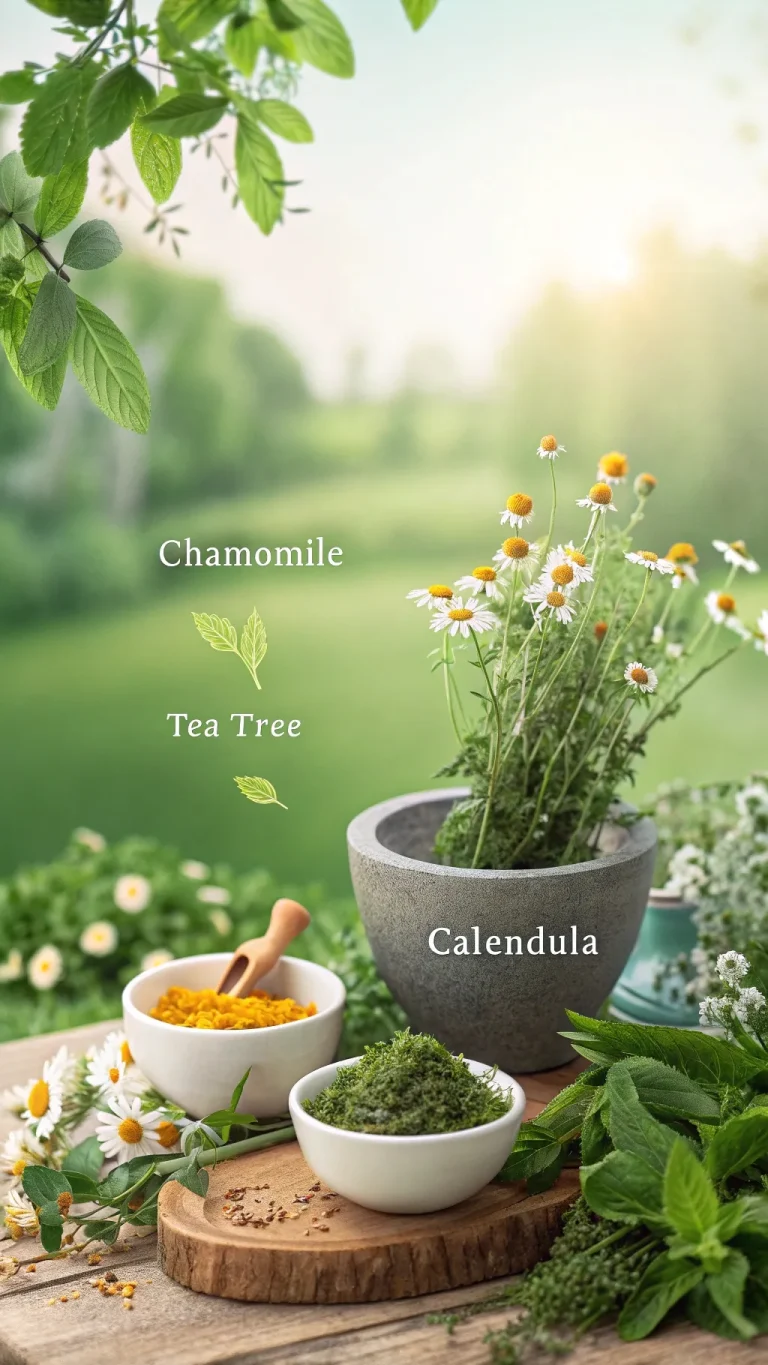
Skin problems happen. Minor cuts need care. Calendula helps skin heal. Comfrey is for outside only. Yarrow stops bleeding.
Make salves with herbs. Use washes for cuts. Poultices help swelling. This is DIY goat care. These are home remedy recipes. They offer natural healing.
Case Study: Using Herbs for Persistent Mild Scours
I had a young wether. He got mild scours. This happened after new food. Initial vet treatment helped some. The scours did not stop fully. A fecal test showed no major worms. His gut just seemed off.
I used a two-part plan. I made Peppermint tea. This calms the gut. I used Slippery Elm powder. It soothes the gut lining. I mixed the powder with water. It made a thick mix. I gave the tea and mix. I used a syringe carefully. I did this several times daily.
His stool got better slowly. It took three or four days. His appetite came back strong. The herbs soothed his gut. They helped his digestion. They worked with the vet’s plan. It was complementary care.
Practical Application, Sourcing, and Safety
Using herbs needs care. How you give them matters. Where they come from matters. Safety is most important.
Administering Herbs to Goats
Mix herbs in their food. Offer fresh herbs. Make teas or infusions. Tinctures work but watch alcohol. Make pastes for skin. Use salves on wounds.
Goats can be picky eaters. Hide herbs in treats. Use a drench syringe carefully. Avoid getting liquid in lungs. This is very dangerous.
Foraging and Growing Herbs for Your Goats
Find safe plants outside. Foraging for goats is good. Learn toxic plants too. This is very important. Many common plants hurt goats.