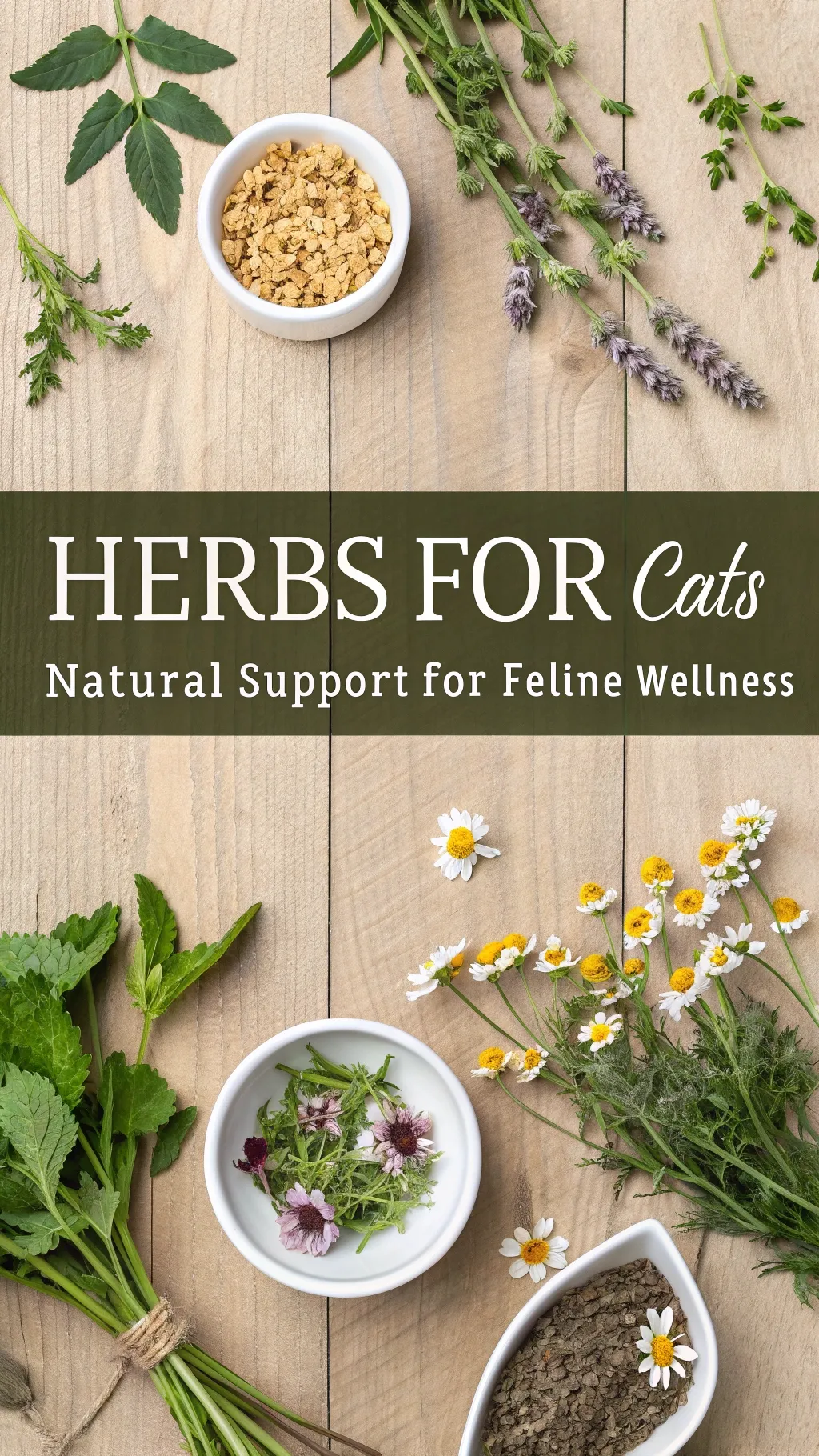
Herbs For Cats Natural Support For Feline Wellness


I love my cats deeply. Many people feel the same way. We want them happy and healthy. Natural care options sound good. Cats can have stress sometimes. Their tummies might get upset. Skin can feel itchy too.
Nature gives us many plant helpers. I have used herbs for years. I see their power for people. But cats are very different. Their bodies work uniquely. Some plants safe for us hurt cats. Finding safe herbs for cats is confusing. It can even be dangerous.
This guide will help clear things up. It looks at herbs for cats. You will learn which herbs might help. We talk about using them safely. This fits into holistic cat care. Always ask your vet first. This is most important for your cat.
We will see how feline herbal medicine differs. Find out about safe herbs for cats. Learn simple DIY cat remedies. We look at pet wellness trends. The future of integrative vet care matters.
Understanding Herbalism for Felines: Safety, Science, and Veterinary Guidance
Cats are wonderful friends. They are not small people. This is very important. Their bodies work in special ways. My years studying plants taught me this. What helps a person can harm a cat. This is true for herbs too.
Why are cats different? Their livers process things slowly. They lack certain enzymes. These enzymes break down compounds. Many plants have these compounds. This makes some herbs dangerous for cats. They build up in the body. This can cause big problems.
Your Vet Knows Best: Safety with Herbs for Cats
You must know this first. Using herbal supplements for cats needs a vet’s OK. This is not just a suggestion. It is a rule for safety. Herbs for cats are helpers. They do not replace vet care. Your vet guides every step. Especially one trained in veterinary herbalism. Or in integrative vet care.
I have seen how vital this is. Vets understand feline bodies. They know which herbs are truly safe herbs for cats. They know the right amount. The dose for a cat is tiny. It is different than for a person. Or even for a dog.
Good herb quality matters greatly. Where do the herbs come from? Are they pure? Is it the right form? Dried herbs are one form. Tinctures are another. DIY cat remedies sound easy. But they need care. Many tinctures use alcohol. Alcohol hurts cats. Vet-approved products are best. They use safe bases like glycerin.
Essential oils are a big NO. They are very strong. Cats cannot process them. Even smelling them can be bad. Avoid them around cats. Unless your vet gives rare, specific guidance. This is not common.
More vets use both kinds of care now. This is integrative vet care. It mixes standard medicine with things like herbs. It is a good sign for pet wellness. This fits with pet health trends 2025. They look at the whole animal. They create a full health plan.
Veterinary herbalists check your cat. They look at their health history. They see their nature. Then they pick the right herb. They find the safe dose. This is real feline herbal medicine. It uses science and care.
You can ask your vet questions. Talk about natural options. Find a vet open to this. Groups like AHVMA can help. They list holistic vets. This makes sure your cat stays safe.
Safe and Effective Herbs for Common Feline Concerns
We can explore safe herbs for cats. These herbs may help with small issues. Always check with your vet first. They will tell you what is OK. And how to use it.
Catnip (Nepeta cataria)
You know catnip. Cats love it. It makes them playful. Or sometimes sleepy. It is mostly for fun. It is not a medicine really. Use dried leaves or fresh plants. Give it in small amounts. Some cats do not react. It is generally safe for play.
Valerian (Valeriana officinalis)
Valerian can calm some cats. It might help with stress. Think travel stress or vet visits. Some cats get excited instead. It needs a special feline form. Use vet-approved drops. Follow the dose exactly. It can be part of handling anxiety. This is a cat anxiety natural treatment.
Chamomile (Matricaria recutita)
Chamomile is gentle. It can help calm. It might help a mild tummy ache. Use German chamomile. Make a very weak tea. Let it cool completely. Your vet might suggest a few drops. Avoid it if your cat has ragweed issues. It can help with cat digestion herbs.
Licorice Root (Glycyrrhiza glabra)
Licorice root can soothe things. It might help a sore throat. Or a mild tummy upset. Use DGL licorice. This form is safer. Only use it short term. It can affect other medicines. Your vet must guide this. It is used in tiny amounts.
Marshmallow Root (Althaea officinalis)
This plant is very soothing. It helps coats the throat. Or the tummy and bladder. It can help with mild irritation. Give it away from other meds. It can stop them from working. Use vet-approved forms. Follow the dose carefully.
Calendula (Calendula officinalis)
Calendula is for skin. It helps minor skin issues. Use it on the outside only. Make a weak wash or oil. Put it on the skin gently. Make sure your cat does not lick it. Licking can be bad. Do not use essential oil. It can help with cat skin issues natural. It is a topical natural remedies for cats.
Remember the dose is key. Safe dosage herbs cats means tiny amounts. It means the right preparation. It always means talking to your vet. Watch your cat closely. See how they react. Tell your vet everything you see.
Integrating Herbs for Cats into Daily Life: Preparations and Practices
Using herbs for cats at home is possible. It needs careful steps. Your vet must approve everything. These are DIY cat remedies guided by a pro.
Making a weak tea is one way. Use a small amount of herb. Add hot water. Let it steep for a few minutes. Let it cool completely. It should be very, very weak. Like colored water. Your vet might say a tiny bit is OK. Maybe for a mild tummy upset. Or to gently clean skin.
Tinctures need special care. Human tinctures have alcohol. Cats cannot have this. Vets might suggest glycerin tinctures. These are alcohol-free. You must buy them from vet sources. Or places your vet trusts. These are made for pets.
Dried herbs are simplest. Catnip is the best example. Offer a pinch for fun. Some vets might suggest tiny amounts. Maybe mixed in food. This is only for certain herbs. And certain issues. Ask first always.
Topical use means on the skin. Calendula tea wash works. Or a dilute oil made from calendula. Put it on small spots. Watch your cat. Stop them from licking the area. Licking can cause problems. NO essential oils on skin. Ever.
Giving herbs needs patience. Mix a drop in wet food. Use a dropper for liquid. Make it a good thing. Give a treat after. Keep it calm.
Looking ahead to pet health trends 2025. People care about where things come from. Sustainable pet care is growing. Choose organic herbs if possible. Know who grew them. This helps the planet. It helps your cat.
Let me tell you about a cat I know. Not one I treated directly. But one whose owner worked with a vet.
Case Study: Jasper and the Thunderstorms
Jasper hated storms. He would hide and not eat. This made his owner sad. They talked to their integrative vet care doctor. The vet suggested a plan. Part of the plan was a safe herb.
The vet picked a low-dose Valerian tincture. It was made for cats. It used glycerin, not alcohol. The owner bought it from a vet supplier. The vet also suggested other things. Create a safe hiding spot for Jasper. Use calming diffusers.
The owner made a soft ‘thunder den’. It was under a bed. They put the diffuser nearby. Before a storm, they gave Jasper the drops. They mixed it in his favorite wet food. Just a tiny bit.
Jasper slowly changed. He still hid in his den. But he came out sooner. He ate his food faster after the storm. He seemed a little less scared. It was not a magic fix. But it helped him cope better. His owner kept watching him. They told the vet how he was doing. This plan used herbs safely. It used other things too. It helped Jasper feel better.
Beyond Herbs: Integrating Holistic Principles for Feline Pet Wellness
Herbs are helpful tools. But they are just one tool. Holistic cat care looks at everything. It is like a big picture. Herbs for cats fit into this picture.
What else is in the picture? Food is huge. Give your cat good food. It should be right for cats. Proper food builds health.
Their home matters too. Cats need places to climb. Places to scratch. Safe spots to hide. A good home environment reduces stress. Stress makes cats sick.
Think about stress reduction. Cats show stress in quiet ways. Hiding is one way. Not eating is another. Find what stresses them. Is it noise? Changes at home? Use things like Feliway diffusers. Keep a set routine. Play with them daily. Interactive play is good. It helps their body and mind.
Vet visits are still key. Regular check-ups prevent problems. Your vet sees things you might miss. They are the first line of defense.
Issues often have many causes. Not just one thing. A vet using integrative vet care looks at all parts. Diet, environment, behavior, and maybe herbs. They make a full plan. This helps the whole animal. This builds true pet wellness.
You see your cat every day. You know them best. You notice small changes. Tell your vet everything you see. Your eyes help the vet a lot. This partnership is important. It helps your cat live well. It uses natural remedies for cats wisely. It makes feline herbal medicine part of good care.
Check your cat’s home today. Look at their routine. Is there one small change? Maybe add a new toy. Or spend 15 minutes playing. This helps their well-being. It is part of their total care.
FAQs: Your Top Questions About Herbs for Cats Answered
People ask many questions about herbs for cats. Here are common ones.
Are essential oils safe for cats?
No. They are very dangerous. Cats cannot handle them. Keep them away from cats. Only use if a vet says so. This is very rare.
Can my cat take my herbal pills?
No. Never give human products to cats. Cat bodies are different. Human doses are too high. Ingredients can be toxic for cats. Use only vet-approved cat products.
How do I know if an herb is safe?
You must ask a vet. Find one who knows veterinary herbalism. Or integrative vet care. Do not trust lists online alone. They might be wrong. They lack dosage details.
What is the safest way to give herbs?
Only give them if your vet says to. They will tell you the form. They tell you the dose. They tell you how to give it. This is the only safe way.
Where can I find a vet for herbal medicine?
Look for vets in integrative vet care. Or those trained in herbalism. Groups like AHVMA can list them. They can help you find one.
Conclusion
We love our cats very much. We want them to be healthy. Herbs for cats can be helpful. They can be part of care. But safety comes first always. Cats are special creatures. Their bodies need respect.
Using natural remedies for cats needs a vet. Always talk to your vet. Especially about herbal supplements for cats. This is the safest way.
The field of veterinary herbalism is growing. Integrative vet care is too. This is good news. It gives more options for pet wellness. It is a positive trend for 2025.
Talk to your vet today. Ask about natural options. See if a safe herb might help. Maybe start with simple catnip fun. Watch your cat closely. Share what you see with your vet. This teamwork helps your cat thrive. It uses nature wisely.
FAQs: Your Top Questions About Herbs for Cats Answered
People often ask about herbs for cats. They want to help their furry friends naturally. Here are answers to common questions. Remember, your vet is your best guide.
-
Are essential oils safe for cats?
No. They are very dangerous for cats. Cats cannot process them. Keep them away always. Only use if a vet gives rare, specific advice. This almost never happens. Toxic plants for cats include many oils.