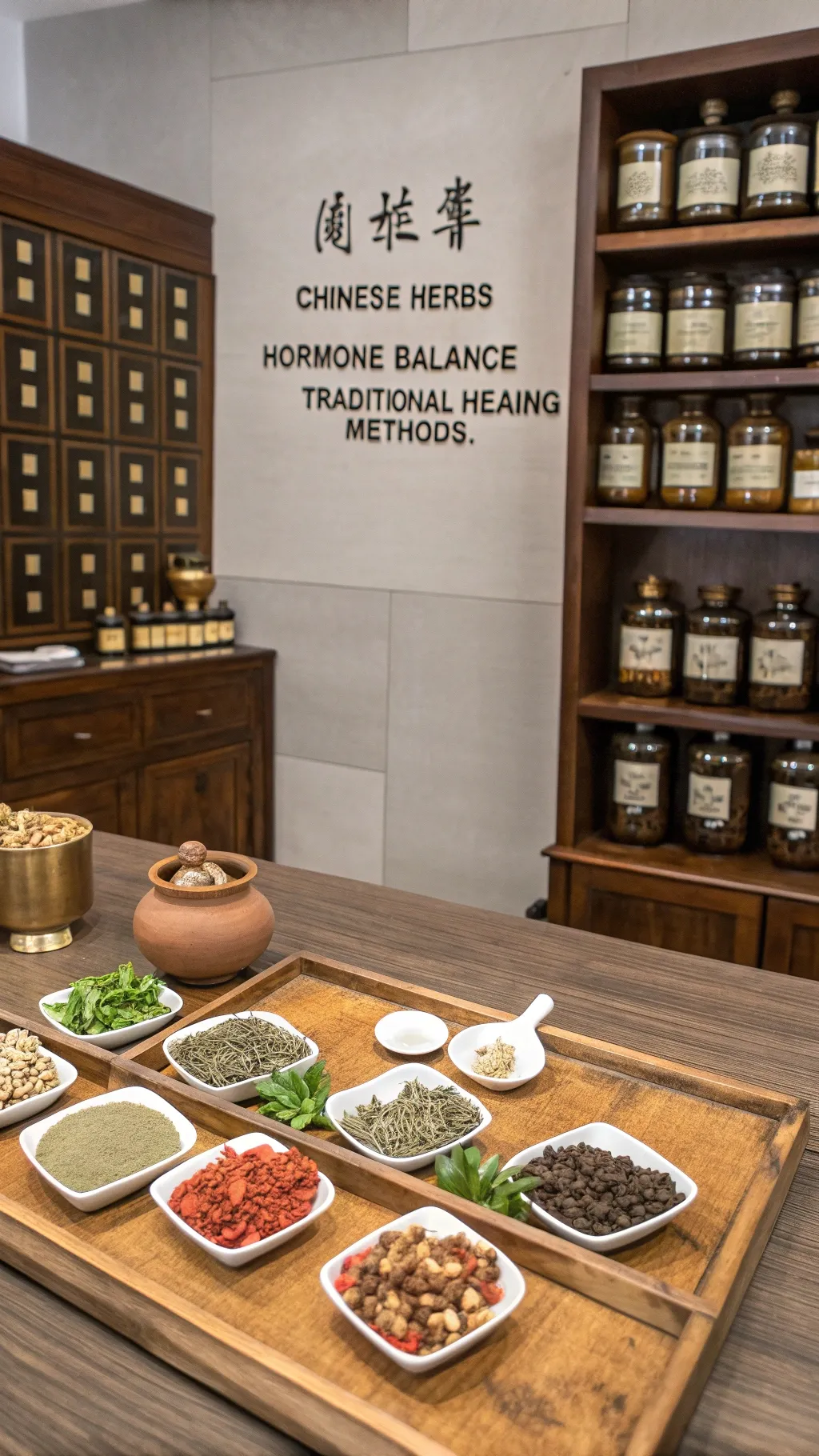
Chinese Herbs For Hormone Balance Traditional Approaches


table {
width: 100% !important;
border-collapse: collapse !important;
margin: 20px 0 !important;
border: 1px solid #ddd !important;
}
th, td {
padding: 12px 15px !important;
text-align: left !important;
border: 1px solid #ddd !important;
}
th {
background-color: #f5f5f5 !important;
font-weight: bold !important;
}
tr:nth-child(even) {
background-color: #fafafa !important;
}
tr:hover {
background-color: #f0f0f0 !important;
}
h1, h2, h3 {
margin: 20px 0 10px !important;
}
ul, ol {
margin: 10px 0 10px 20px !important;
}
strong {
font-weight: bold !important;
}
p {
margin: 10px 0 !important;
}
hr {
border: 0 !important;
border-top: 1px solid #ddd !important;
margin: 20px 0 !important;
}
Introduction
Feeling tired gets old. Moods swing unexpectedly. Cycles feel unpredictable. I see this frustration often.
Many look for natural help. Ancient wisdom offers a way. Traditional Chinese Medicine is that way.
TCM sees your whole body. It seeks true balance inside. This guide covers Chinese Herbs: hormone balance. It is a path to natural healing.
I explain the TCM view. We look at herbal medicine. Learn about diagnosis methods. Practical advice finishes it.
Understanding Hormone Balance from a Traditional Chinese Medicine (TCM) Perspective
The TCM View of Hormonal Health
Western medicine looks at hormones. It sees glands and chemicals. My work in herbal medicine taught me differently. Traditional Chinese Medicine (TCM) sees your body’s energy. It looks at functions. This view offers natural hormone support. It seeks balance.
TCM has core ideas. These ideas explain hormone health.
- Qi: This is vital energy. Think of it as life force. Qi moves things. It flows through your body. If Qi gets stuck, things go wrong. This is like Liver Qi stagnation. It makes moods swing. Cycles get bumpy. Stress feels worse.
- Blood: Blood is substance. It feeds your body. Good Blood means good nourishment. If Blood is low, cycles get light. Energy drops. It impacts fertility support.
- Yin & Yang: These are opposite but connected forces. Yin is cool and moist. Yang is warm and active. You need both in balance. Kidney Yin or Yang can be low. This affects aging. It causes hot flashes. It impacts reproductive health.
- Essence (Jing): This is stored life force. It lives in the Kidneys. Essence relates to growth. It links to reproduction. It affects how you age.
Certain organ systems are key. TCM sees them differently. Not just physical organs. They are energy networks.
The Liver keeps things moving. It helps Qi and Blood flow smoothly. Emotions affect the Liver. Stress hurts its job.
The Kidney stores Essence. It controls reproduction. It relates to aging. Kidney health is vital for hormones.
The Spleen makes Qi and Blood. It turns food into energy. A weak Spleen means low energy. It can create dampness. Dampness can mess up cycles.
Balancing these systems helps hormones. It supports natural healing.
Actionable Tip: Avoid cold foods. They can weaken the Spleen. This simple step helps digestion. It supports your energy. Gentle movement helps Liver Qi. Try a short walk daily.
Key Chinese Herbal Allies for Hormone Support
Potent Chinese Herbs for Hormone Balance
TCM uses herbal remedies for hormones. These herbs work together. A practitioner creates herbal formulas. But some herbs are famous. They offer Chinese herbal therapy.
Here are some important ones I use.
Dong Quai (Angelica sinensis): “The Female Ginseng”
Many people know Dong Quai. I used it often for myself. It is a classic for women.
- Traditional Use: It builds Blood. It helps cycles flow right. It moves Blood gently. Good for painful periods. It helps with fertility support. It eases menopause symptoms.
- TCM Mechanism: Works mainly on Liver. It also helps the Spleen.
- Potential Benefits: It helps blood flow. Some think it helps like estrogen. It might help with stress too. Research looks at these ideas.
- Precautions/Side Effects: It can thin Blood. Avoid before surgery. Sunlight can bother your skin. It might upset your stomach. Do not use with heavy bleeding. Avoid in pregnancy without a doctor.
Rehmannia (Di Huang):
This herb nourishes deeply.
- Traditional Use: It feeds Kidney Yin. It builds Blood. Good for hot flashes. It helps night sweats. It fights fatigue. It aids infertility. It cools heat from low Yin.
- TCM Mechanism: Acts on Kidney, Liver, Heart.
- Potential Benefits: Supports adrenal glands. Helps bone strength.
- Precautions/Side Effects: Can feel heavy. Might cause digestion issues. It’s often cooked first (Shu Di Huang). Or used in formulas.
White Peony Root (Bai Shao):
A lovely herb for calming.
- Traditional Use: It builds Blood. It calms the Liver. It eases pain. I used it for cramps. It helps muscle aches. Good for feeling stressed or tense. Helps with painful periods.
- TCM Mechanism: Works on Liver and Spleen.
- Potential Benefits: It stops spasms. It fights swelling.
- Precautions/Side Effects: It is usually safe. Be careful with blood thinners.
Bupleurum (Chai Hu):
This herb helps things move.
- Traditional Use: It spreads Liver Qi. It unsticks blocked energy. I used it for PMS. It calms feeling irritable. It helps breast tenderness. Good for irregular cycles. It aids stress-related issues.
- TCM Mechanism: Acts on Liver and Gallbladder.
- Potential Benefits: Helps your body handle stress. Fights swelling.
- Precautions/Side Effects: Use carefully if you are hot easily. Or if Liver Yang is high.
Licorice Root (Gan Cao):
A sweet herb that helps others.
- Traditional Use: It makes formulas work better. It boosts Spleen Qi. It moistens dry Lungs. It helps clear dampness. Good for fatigue. Balances other herbs.
- TCM Mechanism: Works on Spleen, Stomach, Heart, Lung.
- Potential Benefits: Helps with stress (adaptogen). Fights swelling. Might affect stress hormones. Use this idea gently.
- Precautions/Side Effects: Can raise blood pressure. May lower potassium. Use a special kind (DGL) if blood pressure is a worry. Avoid long-term high doses.
Other herbs are used too. Ginseng boosts Qi. Atractylodes helps the Spleen. Poria calms the spirit. It helps dampness.
Remember this key point. These herbs work in formulas. A practitioner mixes them. They fit your specific needs. Using single herbs is often not enough. It can even be unsafe.
Actionable Tip: Buy herbs carefully. Look for quality. Find good suppliers. Think about how they get the herbs. Sustainable sourcing matters today. This is a trend for 2025.
The TCM Diagnostic Process: Why Formulas Are Key
Personalized Healing: TCM Diagnosis for Hormone Imbalance
Western doctors give a label. PCOS, for example. TCM looks deeper. It finds your body’s unique pattern. This is TCM diagnosis. This is why personalized treatment works. Herbal formulas are made for you. They help Chinese Herbs: hormone balance.
A practitioner uses special tools. They figure out your pattern.
- Looking (Wang): They look at you. Especially your tongue. What color is it? What shape? Does it have a coating? They see your body build.
- Listening/Smelling (Wen): They listen to your voice. How do you breathe? Any body smells?
- Inquiring (Wen): They ask many questions. About your symptoms. Your health history. How you live. What you eat. Your feelings. How you sleep. Your digestion. Cycles are very important. They ask many details.
- Palpating (Qie): They feel your pulse. Not just the rate. They feel its quality. Is it strong? Weak? Slippery? Different spots mean different organs.
They put all this together. This finds your pattern. It is called Pattern Differentiation. Is it Liver Qi Stagnation? Kidney Yin Deficiency? Spleen Qi issues? Maybe Blood is stuck?
Then they choose herbs. They make a formula. It is based only on your pattern. Not just the Western name. The herbs help each other. They work together.
Case Study: Restoring Balance for Sarah
I had a client like Sarah. She was 38. Her periods were tricky. Sometimes light, sometimes heavy. PMS was bad. She felt angry easily. Breasts hurt. Tired all the time. Sleep was hard. Doctors found nothing wrong. They offered birth control pills.
She came to me. I looked at her tongue. It was a bit purple. A thin white coat. Her pulse felt tight, like a wire. I asked my questions. Stress was a big factor. Emotions felt stuck. Her digestion was sensitive.
Her diagnosis was clear. Liver Qi Stagnation. Also Spleen Qi Deficiency. Some Blood deficiency too.
I gave her an herbal formula. It was a classic base. Like Xiao Yao San. It had herbs to move Liver Qi. Herbs to boost the Spleen.
The herbs worked together. Bupleurum helped her Liver Qi. Peony calmed her Liver. It helped her Blood. Atractylodes and Poria boosted Spleen Qi. They helped dampness. Ginger and Mint eased symptoms. The formula fit her pattern.
She took the herbs regularly. For a few months. Her periods became steady. PMS got much better. She felt less irritable. Her energy came back. She slept better too. She felt she fixed the real problem. This is the power of herbal formulas. It is personalized treatment.
Actionable Tip: Find a qualified TCM practitioner. They give a proper diagnosis. They create your formula. Do not mix herbs on your own. It is safer with an expert.
Addressing Specific Hormone-Related Conditions with Chinese Herbs
TCM Approaches to Common Hormonal Imbalances
TCM treats patterns. It does not treat Western diseases. But patterns match conditions. Chinese herbal therapy helps. It offers natural hormone support. For many common issues.
PCOS (Polycystic Ovary Syndrome):
TCM sees different reasons. Kidney deficiency can play a part. Spleen weakness too. This causes dampness. It makes phlegm build up. Liver Qi can get stuck. Blood can be stuck.
Herbs help clear dampness. They move Qi and Blood. They boost Kidneys and Spleen. Herbs like Atractylodes help dampness. Cinnamon Twig helps move things. Peony helps Blood.
Menopause Symptoms:
This is natural aging in TCM. Kidney Essence goes down. Yin declines. Yang might decline too. Liver Qi can get stuck. The Heart might be unsettled.
Herbs feed Kidney Yin or Yang. They calm the spirit. They clear heat. Rehmannia feeds Kidney Yin. Cornus helps Kidney Essence. Dioscorea helps Kidney Yin. Cinnamon Bark helps Kidney Yang. Bupleurum helps the Liver. Peony calms the Liver.
Fertility Support:
Helping fertility needs a personal plan. Many patterns can cause issues. Kidney deficiency is common. Blood deficiency or stagnation. Qi stagnation. Dampness or Phlegm.
Herbs build Blood. They feed Essence. They help cycles. They build the uterine lining. They aid ovulation. They reduce stress. Dong Quai builds Blood. Rehmannia feeds Essence. White Peony nourishes Blood. Herbs can warm the uterus. Others regulate Qi.
Thyroid Imbalances (Hypo/Hyperthyroidism):
TCM links this to organs. Spleen weakness causes dampness. This relates to hypothyroid fatigue. Liver Qi stagnation can cause neck swelling. It links to hyperthyroid feelings. Kidney Yin or Yang can be weak.
Herbs fix the pattern. They boost Spleen and Kidney. They clear dampness. They move Liver Qi. They feed Yin. Ginseng boosts Spleen Qi. Atractylodes helps Spleen. Poria helps dampness. Bupleurum moves Liver Qi. Prunella helps heat. Oystershell calms things.
Stress-Related Hormonal Issues:
Stress hits the Liver hard. This blocks Qi. Blocked Qi messes up hormones. It affects other organs. The Spleen and Heart suffer.
Herbs move Liver Qi. They calm the spirit. They build Blood. Stress uses up Blood and Yin. Bupleurum moves Qi. Peony calms things. Albizia bark calms the spirit. Polygala calms the spirit.
Actionable Tip: If you have these issues, see a TCM practitioner. They find your pattern. They create a plan for you. Use this with your regular doctor’s care.
Integrating Chinese Herbal Therapy into a Holistic Lifestyle
Beyond Herbs: A Holistic Approach to Hormone Balance
Holistic hormone health is big picture. It is not just herbs. TCM sees body, mind, spirit. They work together. Your lifestyle helps Chinese Herbs: hormone balance. It supports natural healing.
Dietary Therapy (TCM Nutrition):
Food is medicine in TCM. Eat warm, cooked meals. Help your Spleen. Choose foods based on energy. Is it cooling or warming? Drying or moistening?
Food helps hormones. Dark leafy greens build Blood. Red meat builds Blood. Berries help Kidney Essence. Nuts and seeds help Kidney Essence. Barley and adzuki beans help dampness.
Actionable Tip: Eat warm soups. Have stews. Eat less cold, raw food. Cut back on dairy if you feel damp. This helps your digestion.
Movement & Exercise:
Moving helps Qi and Blood. It keeps them flowing. This stops stagnation. Blocked Liver Qi gets moving.
Try gentle movement. Qi Gong is good. Tai Chi is good. Walking helps energy flow. It reduces stress.
Actionable Tip: Move your body daily. Aim for 20-30 minutes. Do something you like.
Stress Management & Emotional Well-being:
Emotions affect hormones. Anger and frustration hurt the Liver. This causes imbalance.
Manage your stress. Try meditation. Deep breathing helps. Acupuncture is a good tool. Writing down feelings helps too.