Best Calming Herbal Supplements for Dogs, Compared


Not all dog anxiety looks the same. Not all calming herbs work the same way either. A dog with mild everyday nervousness needs something different from a dog who falls apart during a thunderstorm. Here’s how the most common calming herbs for dogs compare, plus how to build a plan around your dog’s specific triggers.
Understanding Your Dog’s Anxiety Type First
Before picking a herb, it helps to identify what kind of anxiety you’re actually dealing with. Situational anxiety is tied to specific, predictable events: fireworks, vet visits, car rides. Generalized anxiety shows up more constantly, as a baseline nervousness or hypervigilance that isn’t tied to one clear trigger. Separation anxiety is its own category, tied specifically to being left alone, and often needs behavioral training alongside any supplement. Matching the herb to the anxiety type, rather than just grabbing whatever’s labeled “calming,” makes a real difference in results.
Reading Your Dog’s Body Language
Correctly identifying anxiety in the first place matters just as much as choosing the right herb. Common signs include panting when it’s not hot, pacing, excessive lip licking, yawning outside of tiredness, tucked tail, flattened ears, and whale eye, where the whites of the eyes become visible. Some dogs show anxiety through what looks like hyperactivity or reactivity rather than obvious fear, which is often mistaken for a training or obedience issue rather than an anxiety-driven behavior. Getting this identification right helps you choose a herb suited to the actual underlying state, rather than treating a symptom that’s being misread.
Chamomile
Chamomile is the gentlest option here. It’s mild, food-safe, and good for everyday nervousness or stress-related stomach upset. It’s not strong enough for acute panic. But it’s a solid daily-use option for generally anxious dogs. It’s also one of the few calming herbs gentle enough that many vets are comfortable with daily long-term use.
Valerian Root
Valerian is a true sedative herb. It’s the strongest option on this list. Save it for specific known triggers, like fireworks, thunderstorms, or travel, rather than daily long-term use. Interestingly, a small number of dogs respond to valerian with mild excitement rather than sedation, similar to the well-known paradoxical reaction some cats have to catnip, so it’s worth testing on a calm day before relying on it for an actual event.
Passionflower
Passionflower sits between chamomile and valerian in strength. It’s commonly used for generalized anxiety and restlessness. It doesn’t cause the heavier sedation valerian does. It’s often included in combination calming products alongside chamomile for a moderate, well-rounded effect.
L-Theanine
L-theanine stands apart from the others. It doesn’t sedate at all. It promotes calm alertness instead. For dogs who need to still function normally, like at the vet or around guests, while feeling less anxious, this is often the best fit. Read our full breakdown of L-theanine for dogs for more detail.
Lemon Balm
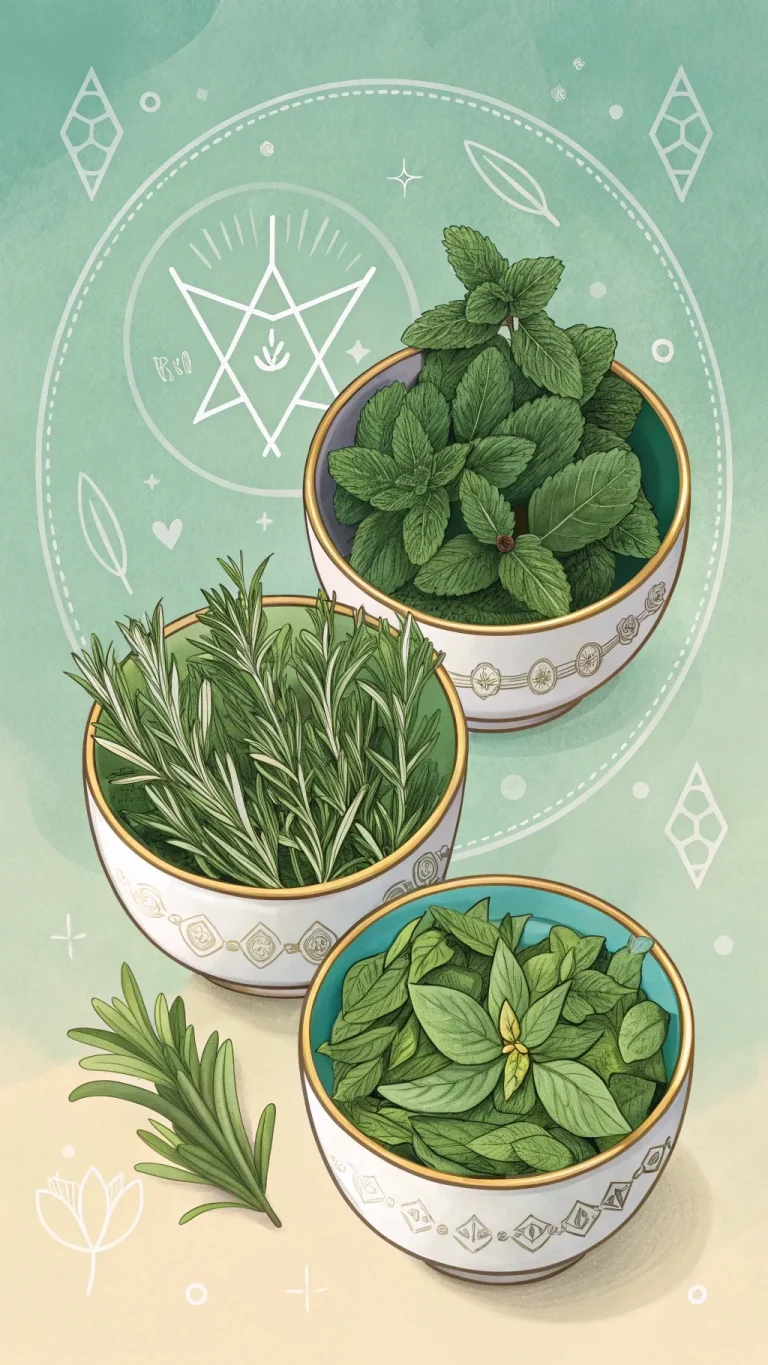
Lemon balm is a gentle, lesser-known option in this category. It’s from the same mint family as many calming herbs and is traditionally used for mild nervousness and digestive upset associated with stress. It’s often overlooked in favor of the bigger names but is a reasonable option for dogs who don’t tolerate chamomile well.
Skullcap
Skullcap is traditionally used to support the nervous system in excitable or reactive dogs, distinct from anxious dogs specifically. It’s sometimes chosen for dogs who are more hyper-alert and reactive to stimuli than fearful, a distinction worth discussing with a holistic vet if you’re unsure which category your dog falls into.
| Herb | Strength | Best Use Case |
|---|---|---|
| Chamomile | Mild | Everyday nervousness |
| Lemon Balm | Mild | Gentle daily support, stress-related stomach upset |
| Passionflower | Moderate | General anxiety, restlessness |
| Skullcap | Moderate | Reactive or hyper-alert dogs |
| Valerian Root | Strong (sedative) | Specific events (fireworks, travel) |
| L-Theanine | Non-sedating | Situations requiring alertness |
Building a Layered Plan
Many owners get the best results from a layered approach rather than picking one herb and hoping it covers everything. A dog with both everyday nervousness and an intense firework phobia might do well with daily chamomile as a baseline, plus valerian specifically on the night of a known fireworks display. Does your dog have deeper, ongoing stress rather than situational triggers? Read about adaptogens for dogs. These work differently, building stress resilience over weeks rather than calming a single moment.
What to Avoid Combining
Avoid stacking multiple sedative herbs (like valerian and strong doses of passionflower) without vet guidance, since the combined sedative effect can be stronger than expected. Also avoid combining any calming herb with prescription sedatives or anti-anxiety medication without your vet’s explicit approval, since interactions are possible even among generally safe herbs.
Environmental and Behavioral Strategies to Pair With Herbs
Herbs work best as one part of a broader anxiety-management approach rather than a standalone fix. For noise phobias specifically, a covered crate or a designated safe room away from windows can reduce sound and visual triggers considerably. White noise or calming music designed for dogs can help mask sudden loud sounds. For dogs with separation anxiety, gradual departures, practicing short absences before longer ones, tend to work better alongside supplements than supplements alone. Combining these environmental and behavioral strategies with the right herb typically produces better results than relying on either approach in isolation.
How to Test a New Calming Herb Safely
- Try it on a calm, low-stakes day first. Never test it for the first time during an actual stressful event.
- Start at the lowest labeled dose.
- Watch for excess drowsiness, wobbliness, or digestive upset.
- Time it so the herb is active before the stressful event begins, not after.
- Keep a simple record of what worked and what didn’t for future reference, since dog anxiety triggers often repeat seasonally.
Frequently Asked Questions
What’s the fastest-acting calming herb for dogs?
Valerian root and L-theanine both tend to act within one to two hours, making them good choices for planned stressful events like fireworks or vet visits.
Can I combine multiple calming herbs?
Yes, many owners combine a fast-acting option with a longer-term adaptogen, but introduce combinations gradually and watch for excess drowsiness.
Are calming herbs safe for daily use?
Milder options like chamomile and L-theanine are generally fine for daily use. Stronger sedatives like valerian are usually better reserved for specific stressful events.
How do I know if my dog has situational or generalized anxiety?
Situational anxiety is tied to specific, predictable triggers like storms or car rides, while generalized anxiety shows up more constantly without one clear cause. A holistic or behavioral vet can help clarify which pattern your dog fits if it’s unclear.
Can calming herbs replace behavioral training?
No, herbs work best as support alongside behavioral work like desensitization and counterconditioning, not as a replacement for it, especially for separation anxiety specifically.
What are the common signs of anxiety I should watch for in my dog?
Panting when not hot, pacing, excessive lip licking, yawning outside of tiredness, a tucked tail, flattened ears, and whale eye (visible whites of the eyes) are all common signs worth watching for.