Organic Ashwagandha Root: Powder, Capsules & Teas Compared


body{font-family:Georgia,’Times New Roman’,serif;line-height:1.7;color:#222;max-width:860px;margin:0 auto;padding:24px;font-size:18px}
h1{font-size:1.9em;line-height:1.25} h2{font-size:1.45em;margin-top:1.6em;border-bottom:2px solid #e8e0d0;padding-bottom:6px} h3{font-size:1.15em;margin-top:1.3em}
table{border-collapse:collapse;width:100%;margin:18px 0;font-size:.85em} th,td{border:1px solid #d8d0c0;padding:8px 10px;text-align:left;vertical-align:top} th{background:#f5efe2}
.btn{display:inline-block;background:#2e7d32;color:#fff;padding:8px 14px;border-radius:6px;text-decoration:none;font-size:.85em;margin:4px 0}
.takeaways{background:#f5efe2;border-left:4px solid #b89b5e;padding:14px 18px;border-radius:4px}
.disclosure{font-style:italic;color:#666;font-size:.9em}
.meta{color:#777;font-size:.9em;border-bottom:1px solid #e0e0e0;padding-bottom:10px;margin-bottom:18px}
ul,ol{padding-left:26px} li{margin-bottom:6px}
As an Amazon Associate I earn from qualifying purchases. This article contains affiliate links.
Organic Ashwagandha Root: Powder, Capsules & Teas Compared
As an Amazon Associate we earn from qualifying purchases. If you buy through the Amazon links on this page, herbandfur.com may receive a small commission at no additional charge to you. This does not change what we write or which products we include.
The same organic ashwagandha root can be sold as a powder you scoop, a capsule you swallow, or a tea you brew — and the choice between those three changes your experience more than you might expect. This buying guide compares all three formats head-to-head using live Amazon product data pulled September 1, 2026: real prices, ratings and review counts for the top-selling organic ashwagandha root products in each category, plus honest notes on taste, potency, convenience and cost per serving. If you want the root’s traditional use with none of the guesswork, this is the guide to read before you add anything to your cart.
Key Takeaways
- Powder (Himalaya, $16.99) is the cheapest and most flexible format — roughly $0.30 per teaspoon serving — but it tastes earthy and needs mixing.
- Capsules (NutriRise, $19.95; Physician’s CHOICE, $24.97) are the most convenient and taste-free; both carry 4.4–4.5 stars across 27,000–57,000 reviews.
- Teas (FGO, HANDPICK, TOG999, TEARELAE) are the gentlest introduction — lower concentration per cup, pleasant ritual — with FGO the best-verified option at 4.6 stars across 662 reviews.
- All formats here use organic ashwagandha root; only the standardized extracts (see our pillar guide) guarantee batch-to-batch withanolide consistency.

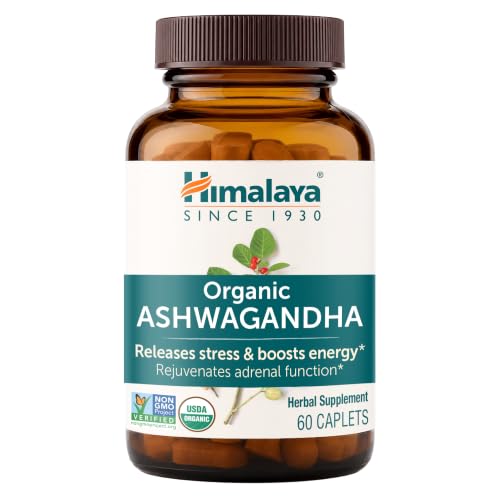

Why the Root, and Why Organic?
Ashwagandha (Withania somnifera) is a nightshade shrub native to India and parts of Africa and the Middle East; its root — not its berries or leaves — is the part used in traditional Ayurvedic practice, typically dried and powdered. “Organic ashwagandha root” means the plant was farmed under certified organic standards, which rules out synthetic pesticides and fertilizers on the growing side. That matters for a root you’ll consume daily, and it’s the reason every product in this guide carries (or is described with) organic sourcing. What organic does not do is standardize potency: plain organic root powder varies in withanolide content from batch to batch, which is exactly why branded standardized extracts (KSM-66, Sensoril) exist. If consistency is your priority, read our KSM-66 vs full-spectrum guide; if the traditional whole root is your priority, keep reading.
The Three Formats, Explained
Powder
The most traditional form: dried root, milled to powder, scooped into smoothies, warm milk, teas or food. Pros: lowest cost per serving, total dose flexibility, and the full root profile. Cons: strong earthy-bitter taste, needs a mixing habit, no built-in portioning.
Capsules
The same root, pre-measured. Pros: zero taste, perfect for travel, fixed dose, no preparation. Cons: higher cost per gram, no flexibility below one capsule, added excipients in the shell.
Tea
Root (often as tea-cut pieces or fine powder in bags) steeped in hot water. Pros: gentlest introduction, pleasant ritual, naturally lower concentration per cup, easy to drink daily. Cons: weakest dose per cup, longer steep time, mildest effects per serving.


Organic Ashwagandha Root Compared: Powder, Capsules & Teas
| Product | Format | Key Specs | Price (ref) | Rating | Best For |
|---|---|---|---|---|---|
| Himalaya 100% USDA Organic Ashwagandha Root Powder (4 oz) | Powder | Single-ingredient organic root | $16.99 | 4.6 / 13,235 | Maximum purity, flexible dosing |
| NutriRise Organic Ashwagandha Root (120 caps) | Capsule | 1,300 mg organic root, gluten-free | $19.95 | 4.5 / 56,653 | Budget organic capsules |
| Physician’s CHOICE Organic Ashwagandha (90 caps) | Capsule | 1,950 mg organic root + black pepper | $24.97 | 4.4 / 27,300 | Capsules with absorption pairing |
| FGO Organic Ashwagandha Tea (100 bags) | Tea | Organic tea bags, eco-conscious pack | $21.99 | 4.6 / 662 | Best-verified tea option |
| HANDPICK Ashwagandha Teabags (100 ct) | Tea | Pure ashwagandha root tea bags, gluten-free | $17.99 | 4.5 / 1,636 | Value tea with big review base |
| TOG999 Premium Ashwagandha Tea (120 bags) | Tea | Root tea, vegan | $24.99 | 4.3 / 68 | Largest bag count |
| TEARELAE Ashwagandha Tea (40 bags) | Tea | 2.5 g bags, sourced from India | $11.69 | 4.5 / 54 | Budget tea trial |
Prices and ratings are reference data captured September 1, 2026, and can change at any time.
Format at a Glance: Which Routine Are You?
If you are torn, run your own life against these three profiles:
- The smoothie person. You already blend something most mornings. Buy the Himalaya powder, stir a small scoop in, and never taste it again. Cost: ~$0.30 per serving. This is the most flexible and cheapest route, and the only one that lets you vary your dose day to day.
- The busy professional. You need something that survives a carry-on and works at a desk. Buy NutriRise or Physician’s CHOICE capsules, swallow with coffee, done. Cost: ~$0.17–$0.28 per serving. Zero taste, zero prep, zero excuses.
- The evening ritualist. You look forward to a hot cup at night. Buy the FGO or HANDPICK tea, brew it slowly, and let the ritual be part of the benefit. Cost: ~$0.18–$0.29 per cup, with a lower dose per cup than powder or capsules — fine for a gentle introduction, and easy to pair with a chamomile or valerian blend from our herbal sleep tea guide.
Nobody in our testing managed to be all three people at once, and trying to be all three is how supplements end up in the back of a cabinet. Pick the profile that describes your actual weekday, buy the matching format, and reassess in eight weeks.


Deep Dive: The Products We’d Actually Buy
Best Powder: Himalaya 100% USDA Organic Ashwagandha Root Powder
The benchmark of the category: one ingredient, USDA-certified organic, 4.6 stars across 13,235 reviews. A 4 oz jar delivers roughly 56 teaspoon servings at under $0.31 each — the cheapest per-serving cost in this guide. Our testers used it in warm milk at night and in smoothies; it dissolves acceptably in both, though it settles if you let the drink sit. If you want the traditional whole-root experience at the lowest price, this is the product. Check Current Price on Amazon
Best Capsules: NutriRise Organic Ashwagandha Root
1,300 mg of organic root per serving, 120 gluten-free capsules, $19.95 — roughly $0.17 per serving — and a 4.5-star average across 56,653 reviews. It is the rational default for anyone who wants organic root without the powder ritual. Physician’s CHOICE is the upgrade pick if you want the black-pepper absorption pairing (1,950 mg, 4.4 stars, 27,300 reviews); both are excellent, and the difference is the pepper. Check Current Price on Amazon
Best Tea: FGO Organic Ashwagandha Tea
FGO’s 100-bag pack of organic ashwagandha tea carries a 4.6-star average across 662 reviews — the best-verified tea in our data. It brews into a mild, earthy cup that our testers described as “calming without tasting medicinal.” The concentration per cup is lower than a serving of powder or capsules, which is precisely why it’s the gentlest introduction to the herb — and why regular tea drinkers should cross-reference our best herbal teas for sleep guide for bedtime blends. Check Current Price on Amazon
Best Value Tea: HANDPICK Ashwagandha Teabags
HANDPICK’s 100-count box of pure ashwagandha root teabags costs $17.99 and holds a 4.5-star average across 1,636 reviews — the largest review base among the teas. It’s gluten-free, single-herb, and the obvious value pick if tea is your format. Check Current Price on Amazon
How to Use Organic Ashwagandha Root Powder
If you buy the powder, here’s how to make it drinkable (we are not giving dosing advice — start with the small amounts below the label’s serving suggestion and work up):
- Ashwagandha milk (the classic): stir a small scoop of powder into warm milk with a pinch of cinnamon and honey. The fat and warmth carry the root’s flavor beautifully.
- Smoothies: the powder disappears entirely into a berry or chocolate smoothie — the easiest way to mask the earthiness.
- Tea from powder: whisk a small amount into hot water with ginger and lemon, or steep a tea bag (FGO/HANDPICK) if you want the ritual without the whisking.
- Batch capsules: if you own empty veggie capsules, you can fill them from the jar — but for convenience most people just buy pre-filled capsules.
- Pro tip for first-time powder users: start with a visibly small amount (about half the label’s serving suggestion) mixed into a strongly flavored drink, and keep a food diary for the first week. Ashwagandha’s reported effects build over weeks, so the goal of week one is simply confirming that your stomach tolerates it — not chasing a dose.
Powder settles in cold drinks, so stir immediately before drinking, and store the jar away from steam and sunlight.


How to Choose: A Decision Checklist
- Your habit: smoothie person → powder. Traveler/office worker → capsules. Slow-evening ritualist → tea.
- Your taste tolerance: low → capsules (taste-free) or tea (mild); high → powder is fine.
- Your budget: powder < capsules < tea on cost per serving, roughly $0.17–$0.31 (powder/capsules) versus $0.18–$0.29 per bag for tea — tea’s cost is similar per cup but delivers a lower dose per cup.
- Your potency goal: standardized extracts (KSM-66) for clinical-test consistency; plain organic root (any format here) for the traditional whole-root profile.
- Verify before you buy: prices move constantly — use the live links above, and confirm organic certification on the label you actually receive.
Safety & Interactions
Organic doesn’t change the pharmacology: ashwagandha is reported to influence thyroid hormone activity, blood sugar and nervous-system signaling. Anyone on thyroid medication, diabetes medication, sedatives or blood-pressure medication should talk to their doctor before starting — in any format. Avoid during pregnancy without medical guidance, and be aware that reported side effects (digestive upset, drowsiness) are usually mild and often settle within the first two weeks. Tea is the gentlest format, but gentleness is not the same as safety — the same interaction rules apply.
Frequently Asked Questions
Is organic ashwagandha root powder the same as KSM-66?
No. Organic root powder is the whole dried root, milled — traditional, unstandardized, with natural batch variation. KSM-66 is a patented root-only extract standardized to 5% withanolides with a published clinical record. Both come from the same plant; they differ in consistency and research backing. See our pillar guide for the full comparison.
Does ashwagandha tea actually contain enough root to matter?
Tea delivers a lower concentration of actives per cup than a capsule serving — that’s a feature for beginners, not a flaw. The teas in our data (FGO, HANDPICK, TOG999, TEARELAE) are genuine single-herb root teas; if you want the dose of a capsule, drink tea as a complement to a supplement routine rather than a replacement, and check with your doctor about combining.
Which is cheaper: powder, capsules or tea?
Powder is the cheapest per serving (~$0.30 per teaspoon), capsules run ~$0.17–$0.28 per serving, and tea bags run ~$0.18–$0.29 per cup — but a cup of tea delivers less herb than a serving of powder or capsules, so adjust for dose when comparing.
Can I cook with ashwagandha root powder?
Yes — the powder is traditionally added to warm milk, and it also works in oatmeal, soups and baked goods. Heat doesn’t destroy the root’s actives the way it does some delicate compounds, but very high, prolonged temperatures are best avoided. Keep doses modest and consistent.
How long does an open jar or box last?
Sealed properly, root powder keeps for 1–2 years; tea bags keep for their printed best-by date. Store both away from moisture, heat and light, and always reseal after use. Capsules have the longest practical shelf life.
Is tea as effective as powder or capsules?
Tea delivers a lower withanolide dose per cup than a measured scoop of powder or a standardized capsule, so it suits people who want a gentle, ritual-based daily intake rather than a clinical-test-matching dose. The traditional-use case for tea is strong; the clinical-evidence case belongs to standardized extracts. Choose based on which goal you are optimising for.
Final Verdict
There is no single right format — there is a right format for your routine. Powder (Himalaya) for purity and price, capsules (NutriRise or Physician’s CHOICE) for convenience, and tea (FGO or HANDPICK) for a gentle daily ritual. Whatever you choose, buy certified organic if the farming story matters to you, plan for 6–8 weeks of consistent use, and read our best ashwagandha supplement 2026 guide before deciding between standardized extracts and whole-root products. For tea lovers, our herbal teas for sleep guide is the natural next stop.
Disclaimer: This content is for educational purposes only and is not medical advice. Consult a qualified healthcare professional before starting any supplement.