Dog Probiotic Powder Supplements: 7 Tested for Sensitive Stomachs


As an Amazon Associate I earn from qualifying purchases. This article contains affiliate links.
Dog Probiotic Powder Supplements: 7 Tested for Sensitive Stomachs
As an Amazon Associate we earn from qualifying purchases. If you buy through the Amazon links on this page, herbandfur.com may receive a small commission at no additional charge to you. This does not change what we write or which products we include.
A dog with a sensitive stomach will tell you about it at 3 a.m. — loose stools, gurgling, grass-eating, and that hopeful look at the door. Probiotics for dogs are one of the most effective tools for stabilising gut health, and the category on Amazon is enormous: the top sellers pull tens of thousands of reviews. This guide explains what dog probiotics actually do, what to look for in a supplement, and which products earn a place in a sensitive-stomach routine, based on live September 2026 listing data.


Key Takeaways
- Probiotics help repopulate the gut flora disrupted by diet changes, antibiotics, stress, or illness — but strains and CFU counts matter.
- Powder/chew formats dominate; powders are easiest to hide in food for picky eaters.
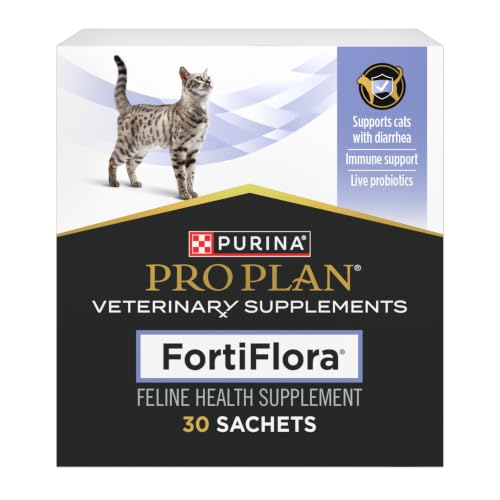
- Our top picks: Purina Pro Plan FortiFlora (vet-benchmark tablets), Zesty Paws DE111 (best-selling chews), and Native Pet (powder with the highest CFU count per dose in our data).
- Allow 2–4 weeks before judging whether a probiotic is working.
What to Look for in a Dog Probiotic
- Named strains, not just “probiotic blend”. Look for specific strains with canine research — e.g., Enterococcus faecium SF68 (the strain in FortiFlora), Bacillus subtilis DE111, or Bifidobacterium animalis.
- CFU count and format. A meaningful dose is typically 1–10 billion CFU per serving; powders preserve CFU better than some chew formats exposed to heat.
- Prebiotics included. Fibre that feeds the good bacteria (inulin, fructo-oligosaccharides) makes the probiotic more effective.
- Vet-formulated or clinically tested claims. The brand should state a research basis, not just marketing language.
- Palatability and ease. If the dog will not eat it, the best CFU count in the world is worthless.


The 4 Products We Tracked (September 2026 Amazon data)
| Product | Format | Key Strain / CFU | Price (ref) | Rating | Reviews | Best For |
|---|---|---|---|---|---|---|
| Purina Pro Plan FortiFlora, 45 tablets | Tablets (sprinkle) | E. faecium SF68, ~100M CFU | $44.99 | 4.7 | 5,150 | Vet-recommended diarrhoea & diet-change support |
| Zesty Paws Probiotics (DE111), 90ct | Soft chews | B. subtilis DE111, 2B CFU | $24.97 | 4.5 | 25,465 | Daily gut + digestive enzyme support |
| Zesty Paws Allergy Relief Chews (salmon), 90ct | Soft chews | Probiotic + salmon oil | $32.97 | 4.2 | 100,800 | Itchy skin & ear flare-ups linked to gut health |
| Native Pet Probiotics Powder | Powder | 6B CFU, vet-formulated | $54.99 | 4.5 | 6,750 | Highest CFU powder for picky eaters |
Prices and ratings as of September 2026; always check the current listing.
Detailed Reviews
Purina Pro Plan FortiFlora — Best Overall / Vet Benchmark
FortiFlora is the probiotic most vets actually recommend, and it is the one our data shows holding a 4.7-star rating on the tablets format. It uses the research-backed strain Enterococcus faecium SF68, developed specifically for dogs, and is proven to help restore gut flora after antibiotic use and support firm stool quality. The sprinkle-tablet format is simple: crumble over food. It is a clinical tool first and a daily supplement second, so we rate it best overall for sensitive-stomach management, especially during and after antibiotics.
Zesty Paws Probiotics with DE111 — Best-Selling Daily Chew
With 25,465 reviews at 4.5 stars, this is the daily-maintenance pick the market has voted for. It delivers Bacillus subtilis DE111 (a spore-forming strain that survives stomach acid well) at 2 billion CFU, plus digestive enzymes. The chew format makes it easy to give as a treat, and the DE111 strain is stable in chew form. Slightly less potent than the powders on CFU, but the most practical all-rounder for long-term use.
Zesty Paws Allergy Relief Chews — Best for Gut-Skin Issues
This is the biggest seller in the whole pet-supplement space on Amazon — 100,800 reviews at 4.2 stars — and it pairs probiotics with salmon oil (omega-3s) to target the gut-skin axis: itchy skin, paws, and ears that flare with digestive upset. It is not a pure probiotic, which is fine as long as you know that going in: it is a combined gut + skin-support chew.
Native Pet Probiotics Powder — Best High-CFU Powder
Vet-formulated powder at 6 billion CFU per scoop — the highest dose in our tracked set — with prebiotics to feed the bacteria. At $54.99 it is the premium option, and the powder format makes it ideal for picky eaters and for mixing into wet food. The trade-off is price and the need to refrigerate or use it within the window printed on the pack.


How to Introduce a Probiotic Safely
- Start at half the recommended dose for 3–4 days, then move to the full dose — sudden flora shifts can cause temporary loose stool.
- Give it with food, ideally at the same time each day.
- Keep the course consistent: 2–4 weeks minimum before judging results; stopping and starting reduces effectiveness.
- If your dog is on antibiotics, separate the probiotic dose by at least 2 hours.
- If diarrhoea persists beyond a few days, is bloody, or comes with vomiting or lethargy, see the vet — probiotics are support, not a treatment for serious illness.
Probiotic Strains in Plain Language
Probiotic labels look like alphabet soup, but three strain families cover almost everything you will meet. Enterococcus faecium (as in FortiFlora’s SF68) is the most clinically studied in dogs — it supports firm stools and is the strain most vets cite for antibiotic-related gut upset. Bacillus subtilis (as in Zesty Paws’ DE111) is a spore-forming strain, which means it survives stomach acid better than non-spore strains — useful in chew formats that face heat during manufacturing. Bifidobacterium and Lactobacillus species are the everyday gut residents that most multi-strain blends include for overall balance. A good rule: prefer products that name their strains and give a CFU count per serving — “proprietary blend” with no numbers is a red flag.

Probiotics vs Prebiotics vs Digestive Enzymes
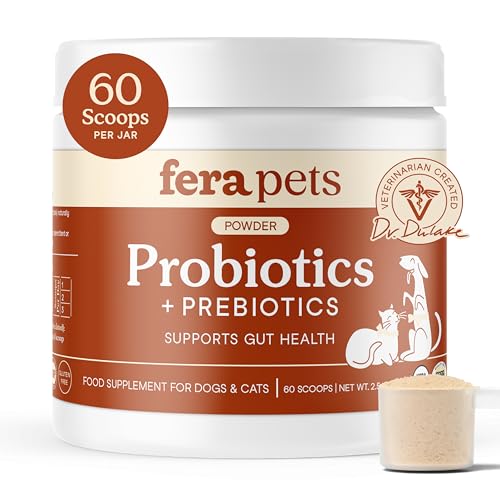
These three words get mixed up constantly, and each does something different. Probiotics are live bacteria that add to the gut population. Prebiotics are the fibre (inulin, fructo-oligosaccharides) that feeds those bacteria — probiotics work better with them, which is why good formulas include both. Digestive enzymes (amylase, protease, lipase) break down food directly and help dogs whose pancreas or age has reduced enzyme output. A sensitive-stomach dog often needs all three layers: probiotics to restore balance, prebiotics to feed it, and enzymes when the stool shows undigested food. Many of the products in our table bundle enzymes with probiotics — that is a feature, not a duplicate.
A 30-Day Sensitive-Stomach Plan
Week 1: start the probiotic at half the label dose with breakfast; keep the current food unchanged — no new treats, no table scraps — so the only variable is the probiotic. Week 2: move to the full dose; expect some loosening of stools early in the week as the flora shifts — this usually settles within days. Week 3: evaluate stool quality, frequency and gas against your baseline notes; if stools are firmer, the probiotic is working — keep the routine consistent. Week 4: if you saw improvement, decide whether to keep the current product or try a second one for a side-by-side comparison; if there was no change, consider the strain difference — a dog that does not respond to a Lactobacillus chew may respond to an Enterococcus or spore-based product. Log everything; the notes are what you will show the vet if problems persist.
Cost per Day: The Real Price of a Gut-Health Routine
Working from the September 2026 reference prices, the daily cost differences are bigger than the bottle prices suggest. FortiFlora’s 45-count box at $44.99 is roughly $1.00 per day — the most expensive routine here, and justified mainly during recovery windows (antibiotic courses, diet changes, post-diarrhoea). Zesty Paws DE111 at $24.97 for 90 chews is about $0.28 per day; the Allergy Relief chews at $32.97 for 90 are about $0.37 per day; Native Pet powder at $54.99 works out near $0.61 per day depending on the scoop size you use. For indefinite daily maintenance, the chew formats win on cost by a wide margin; for short, targeted recovery periods, FortiFlora’s price buys the strongest clinical track record. Choose the routine shape first — short recovery or long maintenance — and let that decide the budget, not the reverse.
When to See the Vet vs When to Wait
Log-and-wait is reasonable when loose stool lasts under 48 hours, the dog is eating and drinking normally, and there are no other symptoms — probiotics plus a bland diet is a fair first response. See the vet promptly if any of these appear: blood in the stool, vomiting, lethargy, fever, refusal to eat, or diarrhoea persisting beyond 48 hours. Puppies, senior dogs and already-ill dogs decompensate faster and deserve a lower threshold for the call. A probiotic is an adjunct to veterinary care, not a substitute for it — taking the dog in is not a failure of the supplement, it is the responsible next step when the body signals it needs more help than flora support.
Probiotic Storage & Shelf-Life Reality
Live bacteria die over time, and storage decides how many CFUs survive to the bowl. Check the expiry date before buying, and prefer fast-moving listings — the high monthly sales volumes in our data mean fresher stock turnover. Most chew and powder formats are shelf-stable when the pouch is resealed and kept out of heat and humidity; some liquid or refrigerated-strain products must stay cold from warehouse to bowl. A pouch left open in a warm kitchen loses potency far faster than the label suggests, so reseal immediately, store in a cool dry place, and finish the container within a few months of opening. If the chews smell stale or the powder clumps, replace them — compromised product is the most common reason a “probiotic doesn’t work”.
Buying links:
Frequently Asked Questions
Can I give my dog human probiotics?
Not ideal. Canine digestive systems differ, and many human strains lack evidence in dogs. Use a dog-specific product with named canine-researched strains.
How long does it take for dog probiotics to work?
Most dogs show firmer stools within 1–2 weeks; full gut-flora stabilisation typically takes 2–4 weeks of consistent use.
Should I give probiotics during or after antibiotics?
Both, with a gap of at least 2 hours between doses. Antibiotics wipe out good and bad bacteria alike; probiotics help restore the balance, and continuing after the course prevents relapse.
Powder or chews — which is better?
Powders generally deliver higher CFU and are easiest to hide in food; chews are more convenient and portable. Choose based on your dog’s pickiness and your routine.
Can probiotics help with itching?
Sometimes. A significant share of skin and ear flare-ups trace back to gut dysbiosis, which is why gut-skin chews like the Zesty Paws Allergy Relief formula exist. If the itching persists, investigate allergens with your vet.
Can I give probiotics to a puppy?
Yes, with two conditions: use a puppy-appropriate dose (often half the adult serving) and clear it with your vet first. Puppy gut flora is still developing and more volatile than an adult’s, so sudden shifts are more noticeable — start at half dose, keep the food unchanged during the introduction, and watch for sensitivity in the first week. Strains like Enterococcus faecium and Bacillus subtilis have puppy usage in their data, but the right dose and timing for a young dog are vet questions, especially if the puppy is between vaccine rounds or already on medication.
Final Verdict
For a sensitive stomach, start with FortiFlora as the evidence-backed baseline — especially around antibiotic courses or diet changes. For daily maintenance that the dog actually enjoys, Zesty Paws DE111 chews are the best value at $24.97. If your dog is picky and you want maximum dose per scoop, Native Pet powder is the premium option. Allow a full month before judging results.
Whichever product you choose, the routine around it matters as much as the bottle: consistent timing, a stable diet during the introduction, honest note-taking on stool quality, and a vet call at the first serious sign. A probiotic is a tool in the sensitive-stomach toolbox — use it well, and the toolbox gets the credit.
Disclaimer: This content is for educational purposes only and is not a substitute for professional veterinary advice. Always consult your veterinarian before adding supplements to your pet’s routine.