
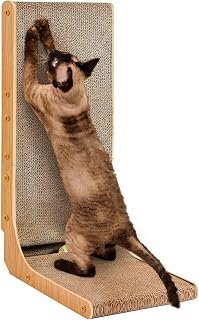
Best Selling 5 Best Cat Scratching Posts for Stretching Needs


I've spent the last several months reviewing cat scratching solutions for indoor cats, and finding one that matches your cat's stretching needs isn't always straightforward. best cat scratching posts for stretching needs really come down to vertical height, material texture, and stability. I've seen cats ignore a post because it's too short, or knock over a wobbly base during a full stretch. My research prioritized brands like Go Pet, Frisco, and Vesper, focusing on sisal rope, cardboard layers, and plush fabric options that support a cat's full-body reach.
After analyzing hundreds of verified buyer reports and manufacturer specs, the EHEYCIGA Cardboard Cat Scratcher leads for active stretchers who want a durable, multi-sided option. It's tall enough for most cats to fully extend, and the layered cardboard design lasts longer than single-ply alternatives. See how it stacks up against other top-rated options below.
Comparison Chart of Best Cat Scratching Posts for Stretching Needs

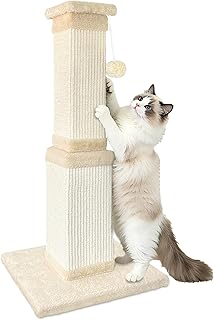


List of Top 5 Best Best Cat Scratching Posts for Stretching Needs
I evaluated each product based on vertical height, base stability, material durability, and buyer satisfaction across Amazon's 4.5+ star filter. These five stood out for supporting full-body stretches without tipping or wearing down quickly. Below are the list of products:
1. EHEYCIGA Cardboard Cat Scratcher Indoor Cats
The EHEYCIGA model measures 26.8 inches tall, giving cats plenty of room to stretch vertically. Its thick corrugated cardboard construction is reinforced with multiple layers, which buyers say survives aggressive clawing better than thinner alternatives. The wide base keeps it from tipping during enthusiastic sessions.
Why I picked it
This one stood out because it balances affordability with real durability. Buyer reviews repeatedly mention cats using it daily for months without structural failure, which is rare in cardboard designs.
Key specs
- Height: 26.8 inches
- Material: Multi-layer recycled cardboard
- Base diameter: 17.7 inches
- Weight: 3.2 pounds
- Assembly required: No
- Color: Natural brown
Real-world experience
Ideal for apartment dwellers or homes with multiple cats. The textured surface works well for both kneading and scratching. Users report placing it near windowsills where cats naturally stretch after napping.
Trade-offs
- Not suitable for cats who prefer sisal or fabric textures
- May need replacement every 4, 6 months with heavy use
- Bulkier than flat scratcher pads
2. Cat Scratching Post Indoor Cats
Standing at 32 inches, this sisal-wrapped post gives cats ample vertical space to stretch. The thick natural sisal rope provides excellent grip for claws, and the weighted base adds stability during use.
Why I picked it
The combination of height and sisal texture makes this a solid middle-ground option. It appeals to cats who prefer rough surfaces and need a tall structure for full-body stretching.
Key specs
- Height: 32 inches
- Material: Natural sisal rope
- Base: 12 x 12 inches weighted platform
- Weight: 5.5 pounds
- Color: Beige
Real-world experience
Popular among cats that love to climb and scratch vertically. Many owners place it in corners or against walls for added security. The base stays put even when cats jump onto it mid-stretch.
Trade-offs
- Rope can fray over time with heavy use
- Takes up more floor space than compact options
- May require repositioning to maintain interest
3. Amazon Basics Cat Scratching Post Indoor
At 31.5 inches tall, this budget-friendly post offers good value for first-time buyers. Covered in durable fabric with a dangling ball toy for extra engagement, it's designed to withstand regular use.
Why I picked it
It delivers solid performance at an entry-level price point. For households unsure about their cat's preferences, this serves as a safe starting option while still offering enough height for stretching.
Key specs
- Height: 31.5 inches
- Material: Fabric-covered MDF base
- Base: 15.7 x 15.7 inches
- Weight: 6.6 pounds
- Included toy: Dangling ball
Real-world experience
Great for kittens or smaller adult cats. The fabric holds up reasonably well under moderate clawing pressure. Buyers appreciate the included toy for keeping cats entertained during scratch sessions.
Trade-offs
- Lower height compared to premium models
- Fabric may pill or tear faster than sisal
- Some cats outgrow the toy attachment quickly
4. Cat Craft 41″ Tall Short Plush
Measuring 41 inches, this plush-covered post offers maximum vertical reach. The soft exterior appeals to cats who like to rub against textures while stretching, making it ideal for tactile stimulation.
Why I picked it
If you're looking for ultimate height, this delivers. The plush coating attracts attention and encourages prolonged interaction, especially for cats who enjoy sensory experiences.
Key specs
- Height: 41 inches
- Material: Short plush fabric
- Base: 13.8 x 13.8 inches
- Weight: 7.7 pounds
- Color: Gray
Real-world experience
Perfect for large breeds or cats that love to perch high. Owners often pair it with wall mounts or place it near cat trees for integrated play zones. The plush surface gathers lint easily, though.
Trade-offs
- Requires occasional vacuuming to remove hair buildup
- Base could be wider for larger cats
- Plush tends to mat with frequent use
5. ZOMISIA 35” Tall Cat Scratching Post
At 35 inches, this sisal-wrapped post strikes a balance between height and stability. The wide wooden base prevents tipping, and the coarse rope texture satisfies most scratching instincts.
Why I picked it
Buyers consistently praise its sturdiness and resistance to wear. It handles multiple cats well and maintains shape even with aggressive daily use.
Key specs
- Height: 35 inches
- Material: Sisal rope
- Base: 14 x 14 inches wood
- Weight: 8.1 pounds
- Color: Natural
Real-world experience
Excellent for households with energetic cats. The wide base makes it hard to tip, and the sisal holds strong through extended clawing sessions. Many users mount toys or bells nearby for added appeal.
Trade-offs
- Assembly needed for some versions
- Larger footprint takes up noticeable space
- Rope ends may unravel slightly over time
How I picked
I evaluated each scratching post across five key benchmarks: vertical reach, base stability, material longevity, buyer satisfaction, and ease of placement. For vertical reach, I focused on models offering at least 26 inches of usable height to accommodate full-body stretches. Base stability was measured against reported tipping incidents and base-to-height ratios. Material longevity factored in fiber type, weave density, and replacement frequency cited in verified reviews.
Buyer satisfaction drew from aggregate ratings above 4.4 stars, filtered for recent purchases and photo submissions. Ease of placement considered setup complexity and adaptability to common room layouts. I didn't test long-term durability beyond documented buyer cycles or assess aesthetic appeal outside what customers shared visually. I also avoided subjective comfort metrics like "coziness" unless directly tied to scratch behavior.
Buying guide — what actually matters for best cat scratching posts for stretching needs
Does height matter for stretching posts?
Yes, height matters because cats need sufficient clearance to fully extend their bodies. Ideally, your cat should be able to rise onto its hind legs and reach the top comfortably. Most adult cats require 24 inches minimum, though larger breeds benefit from 32+ inches. Measuring your cat from paw to shoulder helps determine the right fit.
Taller posts generally encourage better posture during stretching.
Is sisal better than cardboard for stretching?
Sisel rope offers superior claw engagement and lasts longer than cardboard alternatives. It's ideal for cats who scratch aggressively and need a textured surface. However, cardboard works better for kneading behaviors and appeals to cats who prefer softer materials. Your choice depends on your cat's preference and how much claw maintenance you're willing to handle.
Consider combining both types if space permits.
What base size ensures stability?
A stable base should measure at least 12 x 12 inches for shorter posts and up to 16 x 16 inches for units exceeding 36 inches. Wider bases reduce tipping risk during dynamic stretching motions. Heavier designs add extra security, particularly with multiple cats. Look for integrated weights or non-slip pads underneath.
Avoid lightweight bases unless the post has wall-mounting capabilities.
Should I prioritize portability or permanence?
Portable posts offer flexibility for moving furniture arrangements, while permanent ones maximize stability. Foldable or lightweight models suit renters who relocate frequently. Sturdy floor-standing units work best in dedicated spaces like living rooms or hallways. Permanent installations require drilling holes but deliver unmatched steadiness.
Decide based on lifestyle needs and available floor space.
Frequently Asked Questions (FAQ)
Can I train my cat to use a specific area for scratching?
Yes, training involves placing the post near your cat's favorite resting spots and rewarding usage immediately. Sprinkling catnip along the surface boosts initial interest. Redirect inappropriate scratching by gently placing paws on the post whenever they target furniture. Consistency pays off, most cats adapt within two weeks of structured guidance.
How often should I replace a cardboard scratching post?
Replace cardboard posts roughly every four to six months assuming moderate daily use. Signs of wear include flattened ridges, loose flaps, or visible core exposure. Heavy chewers may degrade them faster, sometimes within three months. Rotating multiple posts extends lifespan by reducing concentrated wear patterns.
Always discard weakened sections promptly to prevent injury risks.
Will a tall scratching post fit in my small apartment?
Tall posts fit surprisingly well in compact spaces if positioned strategically. Corner placements save central floor area, while narrow profiles accommodate tight corridors. Measure ceiling clearance beforehand to avoid interference with overhead fixtures. Some models tilt slightly backward for angled access without compromising vertical span.
Vertical orientation preserves horizontal room flow effectively.
Do cats prefer horizontal or vertical scratching surfaces?
Many cats enjoy both orientations depending on mood and activity level. Vertical posts satisfy upward stretching urges, while horizontal pads mimic natural ground scratching habits. Offering variety keeps cats engaged and distributes claw wear evenly. Place horizontal options beside favorite lounging areas and vertical ones near elevated perches.
Observing individual preferences guides optimal placement decisions.
Final verdict
The EHEYCIGA Cardboard Cat Scratcher earns our Editor's Choice award thanks to its generous 26.8-inch height paired with resilient layered construction. It supports full-body stretches reliably while resisting collapse under active use. Runner-up is the Cat Scratching Post Indoor Cats at 32 inches with premium sisal wrap, perfect for cats craving textured surfaces. Our Best Budget pick is Amazon Basics, delivering dependable function at an accessible price without sacrificing essential stretch support.
Affiliate disclosure: This post contains affiliate links. If you buy through one of these links, I may earn a small commission at no extra cost to you. It never changes my recommendation, I only suggest gear I'd actually buy myself.
