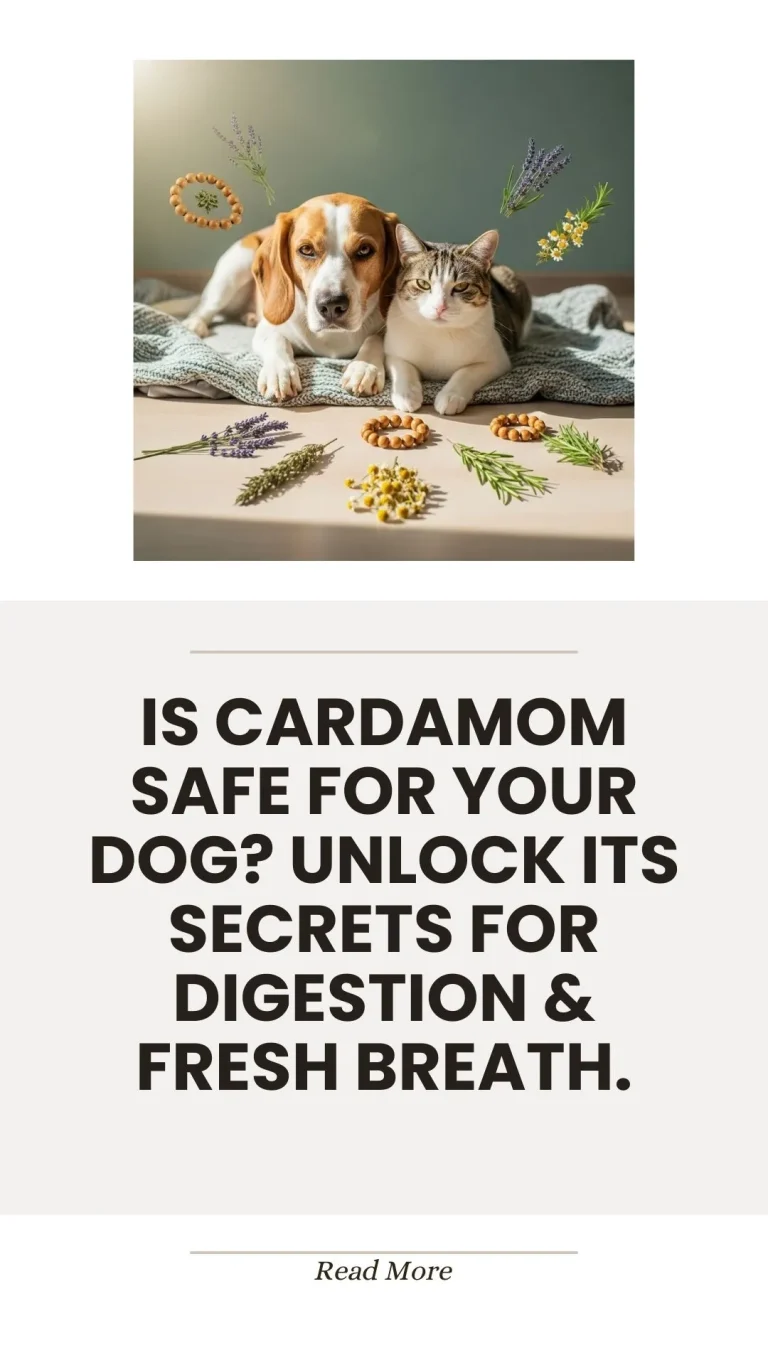
Worried About Your Pet’s Minor Bleeds? Shepherd’s Purse: A Natural Fix You Can Trust


We’ve all been there – spotting a tiny fleck of blood on your dog’s bedding, a small nick on their paw after a spirited walk, or perhaps a minor nosebleed that seems to come out of nowhere. Instantly, your heart does a little lurch, doesn’t it?
That immediate surge of panic, wondering if it’s something serious, is completely normal. We love our furry family members unconditionally, and even the smallest signs of trouble can send us down a rabbit hole of worry. What if there was a simple, natural way to help manage those minor, non-emergency bleeds, offering you peace of mind?
Well, I’m thrilled to tell you about an incredible, time-tested herbal remedy called Shepherd’s Purse. In this post, we’re not only going to help you understand the common reasons behind your dog’s minor bleeds, but we’ll also unveil how this powerful plant can be a natural, trustworthy solution to safely and effectively support your pet’s healing. Get ready to equip yourself with the knowledge to handle those little scares with confidence!
Unraveling Pet Bleeds: Understanding Your Canine Companion’s Health Concerns
Witnessing a spot of blood on your beloved canine companion can be an instant cause for alarm. Our hearts race, a million questions flood our minds, and often, panic tries to take over. I know that feeling all too well. Is it serious? Where did it come from? What do I do now? While major bleeds always warrant immediate emergency veterinary attention, many common instances involve minor cuts, scrapes, or nicks that, while alarming, can often be managed with the right knowledge and tools. Understanding the nuances of your dog’s health and how to react effectively is key to maintaining peace of mind and providing the best care.
Minor bleeds in dogs can stem from a variety of everyday scenarios. Perhaps your high energy dog, with an zest for adventure, snagged a paw pad on a sharp rock during a hike. Or maybe it’s a common over-trimming of a nail, exposing the quick, which can bleed quite a bit and be surprisingly distressing for both of you. Other culprits include minor cuts from roughhousing, gum irritation from a missed dental cleaning, or even an anal gland issue. For instance, I once had a client whose playful terrier, a rescue from a heartwarming dog adoption story, always seemed to find the sharpest twigs in the park. Knowing these common causes helps us categorize the situation and react more calmly, transforming panic into proactive care.
The crucial first step is to accurately assess the situation. Is it truly a minor bleed, or something more serious? A minor bleed is typically superficial, meaning it’s on the skin’s surface or involves small capillaries, and usually, the blood flow is minimal, slowing down quickly. Signs that suggest a minor bleed include:
- Small, isolated spots of blood.
- Bleeding that stops within a few minutes with light pressure.
- The dog is otherwise acting normally – alert, eating, no signs of pain or distress.
However, if the bleeding is profuse, doesn’t stop after 5-10 minutes of direct pressure, comes from an orifice (like the nose or rectum without obvious cause), or is accompanied by other worrying symptoms such as lethargy, lameness, or severe pain, then it’s time to escalate your concern. This is especially true for senior dog health; their systems might be more fragile, and even a seemingly minor issue could have greater implications.
When faced with a minor bleed, swift and calm action is your best approach. Here’s a practical guide to immediate first aid:
- Assess and Clean: Gently examine the area to identify the source of the bleed. If it’s a surface wound, carefully clean around it with warm water and a mild, pet-safe antiseptic solution.
- Apply Pressure: Use a clean cloth, gauze pad, or even a paper towel to apply direct, firm pressure to the wound. Hold it steadily for at least 5-10 minutes without peeking. Releasing pressure too soon can restart the bleeding.
- Elevate (if possible): If the bleed is on a limb, gently elevate it above the heart to help reduce blood flow, if your dog tolerates it.
- Bandage (if needed): Once the bleeding stops, a light, protective bandage might be useful, especially for paw wounds, to keep it clean and prevent your dog from licking it. Ensure it’s not too tight to avoid cutting off circulation.
Pro Tip: Always have a well-stocked pet first-aid kit readily available. Include items like gauze, medical tape, antiseptic wipes, and a good pair of blunt-tipped scissors. This preparation makes all the difference in those unexpected moments.
Beyond immediate first aid, understanding your dog’s overall health can play a significant role in how well they heal and how prone they are to certain issues. A balanced and appropriate special diet for dogs, for example, can contribute to stronger skin, better coat health, and even improved blood clotting factors. Think about omega-3 fatty acids for skin integrity, or ensuring adequate vitamin K for clotting. We’ve also seen incredible benefits from integrating complementary therapies like Chinese medicine for dogs. Practices such as specific herbal formulations or acupuncture can support overall circulation, strengthen the immune system, and promote a faster, more efficient healing process from within, reducing susceptibility to minor injuries and aiding recovery.
While home remedies and first aid are invaluable for minor bleeds, it’s critical to know when to seek professional veterinary help. If the bleeding is persistent, copious, or you’re simply unsure, never hesitate to call your vet. They can accurately diagnose the issue, rule out underlying conditions like clotting disorders, and provide appropriate medical treatment. For many busy owners, or for dogs who find vet clinics stressful, exploring options like vet home visits for pets can be a game-changer. These personalized visits allow your dog to be examined in their comfortable, familiar environment, reducing anxiety and stress for everyone involved, especially beneficial for our older or more nervous companions. Your vet can provide precise guidance, administer medications, or suggest further diagnostics if needed.
Ultimately, preventing these little scares wherever possible is always the goal. Regular grooming, including careful nail trims, consistent paw checks after walks (especially for active dogs), and maintaining excellent dental hygiene can significantly reduce the incidence of minor bleeds. Good observation skills are your superpower as a pet parent. Knowing your dog’s normal behavior, appetite, and energy levels helps you quickly spot any deviations that might signal a problem. A holistic approach, combining responsible pet ownership, a good diet, and smart use of both conventional and complementary therapies, gives your canine companion the best chance at a healthy, happy life, free from unnecessary worries about little bleeds.
When a Minor Bleed Becomes a Major Worry: Identifying Key Signs
As pet parents, we’ve all been there: spotting a tiny speck of blood on our dog’s fur, a slight cut on a paw pad, or a minor nosebleed. Our hearts jump, and immediately a cascade of “what ifs” begins. While many of these instances are indeed minor and resolve quickly, it’s crucial to understand when that seemingly insignificant spot of red signals something more concerning. Differentiating between a common superficial scrape and a potential warning sign of an underlying health issue is perhaps one of the most vital skills we can develop in our journey of holistic pet wellness.
So, how do we tell the difference? The key lies in observing the details. A truly minor bleed typically involves a small volume of blood, stops quickly (within minutes), and is clearly attributable to a superficial injury like a torn nail or a tiny scratch. However, if you notice the bleeding is persistent, copious, or originates from an unusual location, it’s time to pay closer attention. For instance, a cut that keeps oozing for more than 10-15 minutes, or a nosebleed that flows steadily rather than just a few drips, warrants immediate concern. Blood in urine, stool (either bright red or tarry black), or vomit should always be treated as an emergency, regardless of the quantity, as these are strong indicators of internal bleeding or serious organ distress.
Beyond the immediate observation of the bleed itself, we must look for accompanying signs that signal a deeper problem. Imagine your usually boisterous high energy dog suddenly seems lethargic after a minor scrape, or you notice unexplained bruising elsewhere on their body. These are red flags. One of the most common internal concerns is a condition leading to a low platelets dog, where the blood’s ability to clot is impaired. In such cases, even a tiny wound can bleed excessively, or you might see pinpoint red spots (petechiae) on their gums or belly, indicating spontaneous bleeding under the skin. Other worrying signs include pale gums, difficulty breathing, a distended abdomen, or any change in your dog’s normal behavior. These symptoms suggest that the bleeding, however small, might be a symptom of a systemic issue, such as a clotting disorder, toxicity, or even certain autoimmune diseases.
When you identify these worrying signs, the most critical step is to seek immediate veterinary attention. While en route, you can apply gentle, direct pressure to external bleeding points with a clean cloth. For internal concerns, there’s little you can do at home beyond comforting your pet, but this is where prevention and ongoing support through holistic pet wellness come into play. A well-nourished body is better equipped to heal and prevent issues. Consider incorporating nutrient-dense foods: for example, bone broth for dogs is excellent for gut health and provides essential minerals and collagen that support overall tissue repair and immune function. Adding a quality raw or gently cooked protein like a beef heart dog diet can supply vital nutrients like CoQ10, taurine, and B vitamins, crucial for cardiovascular health and energy, which are especially important for a recovering or a high energy dog. While Shepherd’s Purse herb can be a wonderful supportive remedy for minor, superficial bleeds, always consult your vet before using it, especially if you suspect a major underlying issue.
Pro Tip: Trust Your Gut. As a pet parent, you know your dog best. If something feels “off” even if you can’t pinpoint why, it’s always best to err on the side of caution and consult your veterinarian. Don’t second-guess your instincts when it comes to your pet’s health. Common Question: Can a minor bleed truly indicate something life-threatening? Absolutely. What starts as a seemingly insignificant external bleed could be the tip of an iceberg, especially in dogs with underlying clotting issues or organ damage. Regularly check your dog’s gums for healthy pink color and be aware of their normal energy levels. Keeping a detailed log of any unusual symptoms can also provide valuable information to your vet. Being proactive and informed is the best way to safeguard your furry friend’s well-being and ensure that minor worries don’t escalate into major crises.
The Emotional Journey: Supporting Your Beloved Rescue Dog
Welcoming a rescue dog into your home is an incredibly rewarding experience, one that quickly forges an unbreakable deep dog-owner bond. However, it often comes with its own unique set of dog health challenges, both physical and emotional, especially when you encounter something as alarming as a minor bleed. For many of us, the sight of a small cut or a bit of blood from the gums can trigger a cascade of worries, not just about the immediate issue but about the unseen history our beloved companion carries. You might find yourself questioning if past neglect or unknown traumas are resurfacing, adding layers of anxiety to what might otherwise be a simple concern. This is a common and valid emotional journey, and understanding it is the first step in providing truly comprehensive care.
The truth is, a rescue dog’s past can significantly influence their present health. Chronic stress or anxiety, often stemming from previous environments, can manifest in subtle physiological ways, sometimes even impacting their body’s ability to heal or manage minor injuries. When you see a minor bleed, it’s not just a physical symptom; it can be a window into their overall well-being. This is where a holistic approach, often inspired by principles of Chinese medicine for dogs, becomes invaluable. Instead of just treating the symptom, we look at the whole picture – their diet, their emotional state, their environment. Integrating gentle herbal remedies for dogs, like the very Shepherd’s Purse we’ve been discussing for its hemostatic properties, offers a natural way to support not just the bleed but their underlying vitality.
So, what can you do to support your rescue dog when these minor bleeds occur, both physically and emotionally? It’s about creating a foundation of trust and consistent, loving care. Here are some actionable steps and insider tips:
- Create a Calm Sanctuary: Ensure your home is a peaceful, predictable environment. Sudden noises or changes can elevate stress, potentially hindering healing. For a dog with a sensitive disposition, even a minor cut can feel like a major event if they’re already on edge.
- Nourish from Within: Beyond targeted herbal support, consider incorporating nutrient-dense foods. A daily dose of homemade bone broth for dogs, rich in collagen and amino acids, can significantly support gut health and overall immune function, indirectly aiding in quicker recovery and stronger tissue integrity. You can even freeze it into popsicles for a hydrating, healing treat!
- Gentle Observation and Documentation: Instead of immediate panic, practice calm, gentle observation. Note the frequency, size, and exact location of the bleed. This detailed information is crucial for your vet and helps you stay grounded. Remember, your calm demeanor helps calm your dog.
- Consult a Holistic Vet: For persistent or concerning bleeds, always seek veterinary advice. A holistic vet can provide an integrative approach, combining conventional diagnostics with natural therapies, offering a more complete recovery plan tailored to your rescue’s unique history. They can help discern if the bleeds are related to underlying health issues or simply minor occurrences.
Experiencing recurring minor bleeds with a rescue dog can, understandably, evoke strong emotions, sometimes even bordering on pet grief and loss. You might feel a sense of loss for the healthy, carefree past your dog never had, or fear of what the future holds. This emotional toll on the owner is often overlooked. It’s okay to acknowledge these feelings. Remember, you are doing everything you can to provide them with a better life. Focusing on strengthening your deep dog-owner bond through positive reinforcement, consistent routines, and gentle physical affection not only aids in their emotional healing but also physically strengthens their resilience. Trust is a powerful medicine.
Pro-Tip: When introducing any new supplement or herbal remedy, including Shepherd’s Purse, always start with a low dose and observe your dog closely. Every rescue dog is an individual with a unique genetic makeup and history, and their sensitivities can vary greatly. What works wonders for one might require adjustment for another. For instance, if your dog shows any signs of gastrointestinal upset, simply reduce the dose or consult your holistic vet for alternatives. The goal is always gentle, supportive care that respects their past while building a healthier future together, making sure any intervention feels safe and comforting to them.
Shepherd’s Purse Unveiled: The Proven Herbal Remedy for Pet Bleeds
As pet parents, few things stop our hearts faster than seeing our beloved companion bleeding, even from what appears to be a minor cut or scrape. That moment of panic is universal, and it’s natural to want to provide immediate, effective relief. This is where Shepherd’s Purse enters the picture – a humble yet remarkably powerful herb that has been used for centuries to support healthy blood clotting. I’ve seen firsthand the gentle, yet profound, impact this natural remedy can have, offering a sense of calm and control when those unexpected bleeds occur.
So, how does Shepherd’s Purse, scientifically known as Capsella bursa-pastoris, actually work its magic? Its efficacy lies in its rich composition of bioactive compounds. It contains bioflavonoids, peptides, and other constituents that are believed to enhance capillary strength and promote the natural coagulation process. Think of it as gently encouraging your pet’s body to do what it’s designed to do – form a clot. Unlike harsh chemical astringents, Shepherd’s Purse works synergistically with the body’s own systems, making it a supportive and non-invasive option for minor bleeding incidents. It’s a wonderful example of how nature provides potent yet gentle solutions for common concerns.
When should you consider reaching for Shepherd’s Purse? It’s a fantastic ally for a variety of common, minor bleeding scenarios. We’re talking about those superficial cuts and abrasions from an adventurous romp, the occasional nosebleed, or even bleeding gums due to mild gingivitis. It’s also incredibly useful for those infamous nail trim accidents – you know, when you cut just a little too close and hit the quick. For pet parents whose dogs might occasionally experience mild, recurrent epistaxis (nosebleeds) or have a history of low platelets dog diagnoses where a vet-approved holistic approach is sought, Shepherd’s Purse can be a valuable addition to their supportive care plan. Remember, it’s about supporting the body for minor issues, not replacing professional veterinary intervention for serious conditions.
Administering Shepherd’s Purse is straightforward, though always consult with your holistic vet for precise guidance. It’s most commonly available as a liquid tincture or a dried herb. For tinctures, a general guideline for dogs is typically 0.25 to 0.5 ml per 20 pounds of body weight, administered two to three times daily. For cats, the dosage is usually smaller, around 0.1 to 0.25 ml once or twice a day. You can easily add the tincture directly to a small amount of water, mix it into wet food, or even add it to a soothing bowl of bone broth for dogs to make it more palatable. If using dried herb, a small pinch or a quarter teaspoon steeped as a tea can be given. Pro tip: Start with the lowest recommended dose and observe your pet’s response. Every pet is unique!
While Shepherd’s Purse is a fantastic natural remedy, it’s crucial to understand its limitations. This herb is NOT a substitute for emergency veterinary care. If you suspect internal bleeding dog symptoms such as lethargy, pale gums, distended abdomen, or significant, uncontrollable external bleeding, you need to seek immediate veterinary attention. Similarly, if your pet is on blood-thinning medications, has a history of heart or kidney disease, or is pregnant or nursing, Shepherd’s Purse should only be used under strict veterinary guidance. Our deep dog-owner bond means we are responsible for making informed decisions, and that always includes knowing when to call the professionals. Sometimes, a timely vet home visits for pets can provide the professional assessment needed without the added stress of a clinic visit, especially for pets prone to anxiety.
Beyond its direct hemostatic properties, integrating Shepherd’s Purse into a holistic care approach for your pet can yield even greater benefits. Think about overall wellness: a diet rich in nutrients, perhaps supplemented with nutrient-dense bone broth for dogs, can enhance healing and strengthen blood vessel integrity. Reducing stress, through familiar routines or by opting for vet home visits for pets to minimize anxiety during check-ups, can also support your pet’s natural healing abilities. While we focus on physical bleeds, it’s also important to acknowledge that sometimes a bleed can be a symptom of a more serious underlying issue or trauma. In such cases, the emotional toll on the pet and the potential for pet grief and loss for the owner, highlights the importance of comprehensive care that considers both physical and emotional well-being.
Let’s address some common questions. How quickly does it work? For minor surface bleeds, you might see an effect within minutes to an hour. For ongoing issues like mild gingival bleeding, consistent use over a few days may be needed. Can you use it long-term? For chronic, minor issues under vet supervision, yes, but regular breaks or re-evaluations are generally recommended. Is it safe for all breeds? Yes, typically, but dosage adjustment based on size and individual sensitivity is key. Insider knowledge: For best results, source organic, high-quality tinctures or dried herbs from reputable suppliers. Combining Shepherd’s Purse with other gentle calming herbs, like chamomile, can also help anxious pets during minor injury situations.
In conclusion, Shepherd’s Purse is an invaluable, trusted ally in your natural pet care toolkit. It empowers you to address those common, minor bleeding incidents with confidence and care, reinforcing the incredible bond you share with your pet. While it’s a powerful natural solution, always remember that severe or unexplained bleeding warrants immediate professional veterinary attention. Used wisely and knowledgeably, Shepherd’s Purse can truly be a natural fix you can trust, helping your furry family member bounce back quickly and comfortably.
The Science Behind the Soothe: How Shepherd’s Purse Works Naturally
When we talk about Shepherd’s Purse as a natural solution for your pet’s minor bleeds, it’s not just anecdotal; there’s a fascinating science behind its efficacy that makes it a trusted ally in natural pet healing. This unassuming herb, botanically known as Capsella bursa-pastoris, has a unique chemical profile that directly influences the body’s natural coagulation process. Think of it as a gentle, yet effective, nudge to your pet’s inherent ability to stop bleeding. Its power lies primarily in its rich concentration of peptides, flavonoids, and fumaric acid, which work synergistically to support vascular integrity and promote healthy blood clotting. For those of us looking for holistic approaches, understanding these mechanisms can provide immense peace of mind, especially when addressing concerns like minor cuts, scrapes, or even nosebleeds in our beloved companions.
The core mechanism of Shepherd’s Purse involves stimulating the constriction of blood vessels and enhancing the formation of a stable blood clot. Specifically, research suggests that certain peptides present in the herb, like tyramine, act on the smooth muscle of blood vessels, leading to vasoconstriction – essentially, making the blood vessels narrower to slow blood flow. Simultaneously, its flavonoid compounds, such as diosmin and rutin, are known to strengthen capillary walls, reducing their fragility and susceptibility to leakage. This dual action is particularly beneficial. While it’s not a direct platelet booster, for a low platelets dog, where the body’s clotting ability might be compromised, Shepherd’s Purse can offer supportive aid by reinforcing other parts of the clotting cascade. It’s an approach that echoes the wisdom found in traditional healing systems, including some principles observed in certain types of Chinese medicine for dogs, which often utilize herbs to restore balance and support natural physiological functions rather than merely suppress symptoms.
So, how do we practically harness this natural power for our pets? Shepherd’s Purse is most commonly administered as a tincture or a dried herb. For minor external bleeds, a diluted tincture can often be applied topically, or a poultice made from the dried herb can be gently pressed against the wound. For internal support, tinctures or encapsulated dried herb are generally given orally. Dosage is critical and always needs a veterinary consultation, as it varies significantly based on your pet’s size, condition, and the specific product’s concentration. We recommend seeking out high-quality, organic sources to ensure purity and potency. For instance, if your active dog has a common paw pad scrape after a vigorous run, a properly administered Shepherd’s Purse tincture can help the body quickly manage the minor bleeding, allowing for faster recovery and less worry for you. Remember, this isn’t a substitute for immediate veterinary care for serious injuries, but a powerful tool for everyday minor incidents and supportive care.
Integrating Shepherd’s Purse into your pet’s wellness routine is part of a broader commitment to natural pet healing. While it addresses specific bleeding issues, consider the bigger picture: a balanced lifestyle and a proper foundation are key. This includes ensuring your pet receives a special diet for dogs, rich in whole, unprocessed foods that support overall health, including robust immune function and healthy blood parameters. Adequate hydration, appropriate exercise, and perhaps most importantly, strong dog companionship, which reduces stress, all contribute significantly to their healing capacity. If you’re managing recurring minor bleeds, or if you have a dog with known clotting issues, a holistic vet might suggest a comprehensive approach that includes dietary adjustments, targeted supplements, and stress reduction techniques. Don’t hesitate to consider options like vet home visits for pets; they can provide a less stressful environment for your pet during consultations, allowing for a more accurate assessment and personalized treatment plan, while seamlessly integrating natural remedies into their care.
Beyond Bleeding: Other Holistic Benefits for Senior Dog Health
While Shepherd’s Purse is celebrated for its remarkable hemostatic properties, its benefits for our beloved canine companions, especially our seniors, extend far beyond simply stopping bleeds. When we talk about holistic pet wellness, we’re considering the entire picture of health – not just symptoms, but underlying balance, vitality, and quality of life. For senior dogs, who often face a myriad of dog health challenges, the Shepherd’s Purse herb emerges as a surprisingly versatile ally in a natural care regimen, echoing principles often seen in ancient traditions like Chinese medicine for dogs. It’s about nurturing their bodies to thrive, not just survive.
Beyond its primary role in addressing minor hemorrhages, Shepherd’s Purse offers several indirect yet significant advantages for an aging pet. Firstly, its traditional use often highlights its diuretic properties. For senior dogs, this can be incredibly beneficial, aiding kidney function by gently encouraging fluid balance and the elimination of toxins. This isn’t about harsh drug-induced diuresis, but a subtle, supportive action that helps reduce fluid retention, which can ease the load on an older dog’s organs and potentially alleviate discomfort associated with mild edema. Secondly, anecdotal evidence and some traditional texts suggest the herb possesses mild anti-inflammatory qualities. For senior dogs battling arthritis, joint stiffness, or general aches and pains – common dog health challenges – reducing inflammation naturally can significantly improve their comfort and mobility, leading to a much happier, more active life. Imagine your senior companion moving a little more freely, without the constant subtle discomfort.
Integrating Shepherd’s Purse into your senior dog’s daily routine should always be done under the guidance of a holistic veterinarian, especially if your dog is on other medications. A common question I receive is, “How do I give it, and how much?” Typically, it’s administered as a tincture or a dried herb. For tinctures, a few drops mixed into their food once or twice daily is a common approach, but precise dosage depends on your dog’s size, condition, and the tincture’s concentration. If using the dried herb, it can be steeped as a tea and added to their water or mixed directly into their nourishing dog food. Pro tip: Start with a very small amount and observe your dog closely for any changes. A truly holistic approach means considering the whole diet; pairing Shepherd’s Purse with high-quality, species-appropriate nourishing dog food amplifies its benefits, providing a strong foundation for overall holistic pet wellness.
Ultimately, a proactive approach to senior dog health challenges, incorporating natural supports like the Shepherd’s Purse herb, can profoundly impact their emotional well-being and, by extension, yours. When our senior dogs are physically more comfortable – with better circulation, less inflammation, and balanced kidney function – their spirit lifts. They’re more engaged, more playful, and simply enjoy their golden years more fully. This comfort, vitality, and extended quality of life can be a tremendous source of solace and joy, helping both pet and owner navigate the journey of aging. While we can’t prevent pet grief and loss, we can certainly enrich the time we have, making every moment count through thoughtful, comprehensive care that truly supports their whole being, mind and body, a cornerstone of Chinese medicine for dogs philosophy.
Implementing Shepherd’s Purse: Safe & Effective Use for Your Dog
So, you’re ready to integrate Shepherd’s Purse into your dog’s wellness routine to address those pesky minor bleeds. That’s fantastic! As with any powerful botanical, the key to success lies in proper, informed implementation. My approach to herbal remedies for dogs always begins with a crucial step: consultation. While Shepherd’s Purse is generally considered safe, especially for short-term use, it’s always wise to discuss its use with your holistic veterinarian. They can provide personalized guidance, ensure it won’t interact with any existing medications your dog is taking, and confirm it’s the right choice for your pet’s specific health profile.
Once you have the green light, understanding the forms and appropriate dosages is paramount. Shepherd’s Purse is most commonly found as a liquid extract (tincture) or dried herb. Tinctures are often preferred for their potency and ease of absorption. When starting, remember the golden rule for any new supplement: start low and go slow. This allows you to monitor your dog’s reaction and find their optimal dose. General guidelines, which should always be refined with veterinary advice, often suggest starting with very small amounts:
- Small Dogs (under 20 lbs): 1-3 drops, 1-2 times daily
- Medium Dogs (20-50 lbs): 5-10 drops, 1-2 times daily
- Large Dogs (50-100 lbs): 10-20 drops, 1-2 times daily
- Giant Breeds (over 100 lbs): 20-30 drops, 1-2 times daily
These are starting points, not definitive prescriptions. Always check the specific product’s concentration and recommended dosing instructions, as they can vary.
Administering Shepherd’s Purse is relatively straightforward. Most liquid tinctures can be added directly to your dog’s food. For dogs on a special diet for dogs, it mixes seamlessly with wet food, a small amount of yogurt, or even a treat. Some pets don’t mind a few drops mixed into their drinking water, though this might dilute the dose too much for effective absorption. If your dog is particularly picky, you can often put the drops directly into their mouth using a dropper, aiming for the side of the cheek to minimize spitting. Consistency is important, especially when dealing with persistent minor bleeds or for dogs needing general clotting support.
Monitoring your dog’s response is a critical part of implementing any new herbal remedy. Keep a small journal to note the frequency and severity of any bleeding episodes. Observe for any changes in energy levels, appetite, or bathroom habits. If you’re giving it to a dog with a history of a low platelets dog diagnosis (always under vet supervision, of course), you might see improvements in bruising or longer clotting times for minor nicks. If you don’t observe the desired effect after a week or two at the initial dose, and your vet approves, you can gradually increase the dose within the suggested range, again, very slowly. Conversely, if you notice any adverse reactions, discontinue use immediately and contact your vet.
Shepherd’s Purse can also be a wonderful component of a broader strategy for natural pet healing. Many holistic practitioners recommend combining it with other supportive elements. For instance, incorporating nutrient-rich foods like homemade bone broth for dogs can support overall gut health and provide essential minerals and amino acids that contribute to wellness, indirectly supporting the body’s natural healing processes. A balanced, species-appropriate diet, good hydration, and adequate rest all play a significant role in helping your dog thrive and respond well to herbal support.
Regarding duration of use, Shepherd’s Purse is generally safe for short-term applications, such as managing an acute bleeding episode like a torn nail or a specific injury. For more chronic or recurring issues, or as part of a longer-term strategy, always consult with your veterinarian. Some holistic vets might suggest cycling herbs (using for a few weeks, then taking a break) to prevent the body from adapting too much, but this isn’t always necessary. The goal is to address the underlying issue, and Shepherd’s Purse is a tool to support that process, not necessarily a lifelong prescription.
Here are some pro tips and insider knowledge for maximizing the effectiveness and safety of Shepherd’s Purse. First, always opt for organic, human-grade tinctures from reputable brands. This minimizes exposure to pesticides and ensures purity. Second, store tinctures in a cool, dark place away from direct sunlight to maintain their potency. Third, while generally safe, Shepherd’s Purse does have mild oxytocic properties (can stimulate uterine contractions), so it should never be given to pregnant dogs. Also, if your dog is on blood-thinning medication, it’s imperative to consult your vet due to potential interactions. Your vet can guide you through these potential dog health challenges and ensure a safe and effective treatment plan.
Optimal Dosage & Administration: Tailoring for Your Dog’s Needs
Navigating the world of
Generally, Shepherd’s Purse is most commonly administered in tincture form, which allows for easier dose adjustment. A typical starting point for tinctures is often around 0.25 ml to 0.5 ml per 20 lbs of body weight, given 2-3 times daily. However, this is a very broad guideline. For instance, a tiny Chihuahua with a minor paw cut will need a significantly smaller dose than a large Labrador experiencing a persistent nosebleed. If you’re using dried herb, you might prepare it as a tea or mix the powder into food. Always dilute tinctures in a small amount of water or a tasty liquid before administering to make it more palatable and prevent irritation. Starting with the lowest effective dose and gradually increasing it while closely monitoring your dog is a wise, conservative approach.
Consider the ‘why’ behind the bleed. Is it a superficial wound, or are you concerned about something more internal, perhaps a dog with
Making administration stress-free for your dog is key to consistent treatment. I often recommend mixing Shepherd’s Purse into something truly irresistible. For my own rescue, whose
Finally, remember that Shepherd’s Purse is a powerful ally for minor bleeds, but it’s not a magic bullet for every situation. If the bleeding doesn’t subside, worsens, or is accompanied by other concerning symptoms like lethargy, pale gums, or abdominal pain, it’s time to cease the Shepherd’s Purse and seek immediate veterinary attention. These could be signs of a more serious condition requiring conventional medical intervention. Your veterinarian, especially one with an integrative approach, can help you determine the most appropriate dosage, monitor your dog’s progress, and ensure that Shepherd’s Purse is part of a safe and effective overall wellness plan for your beloved companion.
Integrating into a Nourishing Dog Food Routine
Integrating Shepherd’s Purse into your dog’s daily meals is not only straightforward but also ensures consistent delivery of this beneficial herb, contributing significantly to their overall health and reducing those worrying minor bleeds. Think of it as a natural, edible supplement seamlessly woven into their diet. For liquid extracts, the simplest method is to add the recommended drops directly to their food bowl. If you’re using a dried herb, you can rehydrate a small amount with a tiny bit of warm water or, even better, with some nourishing bone broth for dogs. This creates a more palatable mixture that can then be stirred into wet food, raw meals, or even moistened kibble. The broth not only helps with absorption but also enhances the flavor, making it more appealing for even the pickiest eaters.
When it comes to building this routine, consistency is your best friend. For example, I often recommend adding Shepherd’s Purse with the morning meal. If your dog eats kibble, simply mix the liquid extract or the bone-broth-infused dried herb directly into their bowl, perhaps with a dollop of plain yogurt or pumpkin to help it blend. For dogs on a raw or home-cooked diet, it’s even easier to stir it right in. This consistent application is particularly crucial for supporting senior dog health, as older pets can sometimes experience more fragile capillaries or slower healing, making them more prone to minor bleeds. Similarly, if you’re managing a dog with a history of a low platelets dog condition, consistent, daily administration of Shepherd’s Purse, always under veterinary guidance, can be a supportive measure. It’s about proactive care, ensuring their body has the natural tools it needs to maintain proper clotting function.
While Shepherd’s Purse is a fantastic natural aid, it’s vital to consult your veterinarian, especially if you’re dealing with persistent or severe bleeding, or if you suspect an underlying condition like a low platelets dog issue. Sometimes, a convenient vet home visits for pets service can be invaluable for assessments without the stress of a clinic visit. Here are some pro tips for seamless integration and optimal holistic pet wellness:
- Start Low and Go Slow: Begin with a smaller dose than recommended and gradually increase to the full amount, observing your dog for acceptance and effect.
- Disguise is Your Friend: Mix the extract or rehydrated herb into highly palatable foods like bone broth for dogs, plain yogurt, or a small amount of xylitol-free peanut butter to mask any unfamiliar taste.
- Consistency is Key: For best results, incorporate Shepherd’s Purse into your dog’s daily routine at a similar time each day.
- Observe and Adjust: Pay close attention to your dog’s response. Are the minor bleeds lessening? Are they accepting the supplement well? Adjust as needed, always under veterinary guidance.
Providing this kind of focused attention to their physical health is a profound act of love, contributing to their comfort and well-being. Even in moments of pet grief and loss, maintaining consistent, loving care through attention to diet and supplements like Shepherd’s Purse offers a tangible way to cherish their lives and ensure their comfort.
Complementary Care: Enhancing Wellness with Bone Broth for Dogs
While the Shepherd’s Purse herb offers a targeted natural solution for minor bleeds, true wellness for our canine companions is built on a foundation of comprehensive nutrition and holistic care. This is where the magic of bone broth comes in as an invaluable complementary therapy. Think of it as a super-powered elixir that enhances your dog’s overall vitality, making them more resilient from the inside out. When we combine thoughtful interventions like Shepherd’s Purse with daily nourishing practices, we cultivate a powerful strategy for natural pet healing and strengthen that irreplaceable deep dog-owner bond.
Bone broth is far more than just a flavorful addition; it’s a powerhouse of readily absorbed nutrients that support numerous bodily functions. Rich in collagen, gelatin, and a spectrum of essential amino acids like glycine and proline, it acts as a balm for the digestive system. For dogs, especially those prone to sensitivities or experiencing any kind of stress (which can exacerbate minor health issues), a healthy gut is paramount. A compromised gut can lead to inflammation and hinder the body’s natural healing processes. By providing a highly digestible source of these vital nutrients, bone broth helps to seal and heal the gut lining, reduce systemic inflammation, and boost immune function. This foundational gut health indirectly supports the body’s ability to manage minor bleeds more effectively and bounce back quicker, complementing the specific action of Shepherd’s Purse.
Making your own bone broth is simple, rewarding, and ensures you’re providing the purest form of this incredible supplement. We recommend sourcing high-quality, grass-fed beef or pasture-raised chicken bones (knuckles, marrow bones, chicken feet are excellent choices). Here’s a quick guide:
- Ingredients: Approximately 2-3 pounds of bones, 1-2 tablespoons of apple cider vinegar (this helps extract minerals from the bones), and enough filtered water to cover the bones.
- Process: Place bones and apple cider vinegar in a large pot or slow cooker. Cover with water. Bring to a boil, then reduce heat to a simmer.
- Simmer Time: Simmer for at least 12-24 hours for chicken bones, and 24-48 hours for beef bones. The longer the simmer, the more nutrients are extracted.
- Cool & Store: Once cooled, strain the broth to remove all bone fragments. It should gel when refrigerated – a good sign of collagen content! Store in the fridge for up to a week or freeze in ice cube trays for convenient, single servings.
This homemade concoction is a truly nourishing dog food supplement, free from artificial additives and preservatives. I often suggest adding a splash of this golden liquid over my dog’s regular meals, or offering it as a hydrating treat during warmer months. It’s an easy way to significantly upgrade their daily nutrition.
Integrating bone broth seamlessly into your dog’s routine can have profound effects, particularly when you’re already focused on specific needs like managing minor bleeds with the Shepherd’s Purse herb. For instance, after welcoming a rescue dog into my family, a dog adoption story filled with initial anxieties and a sensitive stomach, consistent bone broth supplementation, alongside a balanced diet that sometimes included nutrient-dense options like a small portion of beef heart dog diet, dramatically improved his digestive health and overall resilience. This holistic approach helped his body better handle minor scrapes and bumps, and even reduce seasonal sensitivities. Bone broth not only provides direct nutritional benefits but also enhances palatability for picky eaters or dogs recovering from illness, encouraging them to stay hydrated and take in vital nutrients. It’s a testament to how simple, natural additions can bolster a dog’s health and happiness, creating a robust internal environment where natural remedies like Shepherd’s Purse can perform optimally.
Your Essential Shepherd’s Purse FAQs: Expert Answers for Pet Parents
As dedicated pet parents, we all want the absolute best for our furry family members, especially when they’re hurting. It’s natural to have questions about introducing new remedies, even natural ones like Shepherd’s Purse. You’re looking for trustworthy, expert-level answers, and I’m here to provide them. Let’s dive into your most pressing questions about using Shepherd’s Purse for your beloved pet’s minor bleeds, ensuring you feel confident and informed about this powerful tool in your natural pet healing toolkit.
1. How do I safely administer Shepherd’s Purse to my pet, and what’s the correct dosage? This is probably the most common and crucial question. The exact dosage can vary based on your pet’s size, species, and the concentration of the product (tincture, dried herb, tea). As a general guideline for tinctures, many holistic vets suggest starting with 1-2 drops per 10 lbs of body weight, 2-3 times a day. For dried herbs, a pinch mixed into food can be a good starting point. Always begin with the lowest effective dose and observe your pet closely. My advice? Get a veterinary consultation, especially if you have a deep dog-owner bond where trust in remedies is paramount. They can provide precise guidance tailored to your pet. You can often mix tinctures into a small amount of broth, wet food, or even a treat, making it palatable for your pet.
2. For what types of minor bleeds is Shepherd’s Purse most effective? Shepherd’s Purse truly shines for those frustrating, yet non-life-threatening, everyday bleeds. Think about the quick-cut during a nail trim that just won’t stop oozing, or the minor scrape your adventurous high energy dog gets from a tumble in the yard. It’s excellent for superficial cuts, nicks, or even helping to reduce minor bruising. I’ve personally seen it work wonders on small gum bleeds from mild gingivitis or a pulled tooth. However, it is absolutely critical to understand that Shepherd’s Purse is NOT for deep wounds, significant trauma, or internal bleeding that is causing your pet distress. If you suspect anything more than a surface bleed, or if the bleeding doesn’t stop quickly with pressure, seek immediate veterinary attention.
3. How quickly can I expect to see results, and are there any potential side effects? You might be pleasantly surprised by how quickly Shepherd’s Purse can act. For minor external bleeds, you could see a noticeable reduction in just a few minutes, especially when applied topically (if using a diluted tincture or strong tea). When given internally, its effects on coagulation can start within an hour. As for side effects, they are generally rare and mild. The most common might be a slight digestive upset, like loose stools, especially if a large dose is given, or if your pet has a sensitive stomach. Allergic reactions are possible but extremely uncommon. If you notice any unusual behavior or discomfort after administration, discontinue use and contact your vet. Always monitor your pet closely after introducing any new supplement.
4. What should I look for when sourcing Shepherd’s Purse products for my pet? Quality matters immensely when it comes to any natural supplement, and Shepherd’s Purse is no exception. To ensure you’re providing the best for your pet, I recommend looking for:
- Organic Certification: This ensures the herb is grown without harmful pesticides or chemicals.
- Human-Grade Quality: Products intended for human consumption often adhere to stricter purity standards.
- Reputable Suppliers: Purchase from companies known for their transparency, third-party testing, and positive reviews in the natural pet health community.
- Formulation: Tinctures should ideally be alcohol-free or made with glycerin for pets. If using dried herbs, ensure they are fresh and free from mold or excessive dust.
This careful sourcing is a cornerstone of effective and safe natural pet healing.
5. Can Shepherd’s Purse be used alongside other medications or for specific conditions like a sensitive Rescue dog? While Shepherd’s Purse is a natural remedy, it’s a powerful one. It’s always best to discuss its use with your veterinarian if your pet is on any other medications, especially blood thinners, as there could be interactions. For a Rescue dog, who might be prone to anxiety-induced minor scratches or has particularly sensitive skin due to past trauma, Shepherd’s Purse can be a wonderful, gentle aid for small cuts. Its calming effect on minor bleeding can be particularly reassuring for these sensitive souls. If your pet has a known clotting disorder or a serious underlying health condition, always prioritize veterinary advice before introducing Shepherd’s Purse.
6. Is it safe for long-term use, and are there special considerations for senior pets? For sporadic, minor bleeds, Shepherd’s Purse is generally safe for intermittent, short-term use. If you find your pet is experiencing frequent minor bleeds, it’s a sign to delve deeper into the root cause with your veterinarian. While Shepherd’s Purse supports healthy clotting, it’s not a diagnostic tool. For senior pets, who may have more fragile skin or be on multiple medications, extreme caution and veterinary consultation are even more important. Their bodies process substances differently, and what might be fine for a young, healthy adult pet might need dose adjustments or avoidance for an elderly one. This is where the convenience and personalized advice from vet home visits for pets can be invaluable.
7. When should I absolutely forgo Shepherd’s Purse and rush my pet to the vet? This is the most critical piece of advice I can offer. Shepherd’s Purse is for MINOR bleeds. You must always be prepared to seek immediate professional help if you observe any of the following:
- Bleeding that doesn’t stop after 10-15 minutes of direct pressure.
- Deep lacerations or wounds where you can see muscle or bone.
- Excessive bleeding from the nose, mouth, eyes, or rectum.
- Any signs of internal bleeding (pale gums, weakness, distended abdomen, difficulty breathing, collapse).
- Bleeding accompanied by significant pain or distress in your pet.
- Head injuries, puncture wounds, or animal bites.
Understanding these red flags isn’t just about treating a wound; it’s about ensuring the overall well-being of your companion. Being proactive and knowing when to escalate care can prevent serious complications and, ultimately, help avoid the profound sorrow of pet grief and loss that can result from delayed treatment.
Safety First: Understanding Potential Side Effects and Interactions
As devoted pet parents, our furry companions are family, and their well-being is always our top priority. This is especially true for those of us who’ve welcomed a Rescue dog into our homes, perhaps with a heartwarming dog adoption story of overcoming past dog health challenges. That deep dog companionship makes us incredibly mindful of what we give them, even natural remedies like the Shepherd’s Purse herb. While Shepherd’s Purse is generally considered safe for managing minor bleeds, understanding its potential side effects and interactions is crucial. Think of it like this: even a superfood can have nuances. We’re here to give you expert-level insights to ensure you’re using this powerful botanical responsibly and effectively for your beloved pet.
Most pets tolerate Shepherd’s Purse very well, with adverse reactions being quite rare. However, just like with any new supplement, you might observe mild gastrointestinal upset, such as a temporary change in appetite, soft stools, or very occasional vomiting, especially when first introducing it. These signs typically resolve quickly as your pet adjusts, or if the dosage is slightly reduced. Our pro tip is always to “start low and go slow” with the dosage. Begin with the lowest recommended amount and gradually increase over a few days if needed, while closely monitoring your pet for any changes. This cautious approach allows you to gauge their individual reaction and minimize the chance of any discomfort.
Where we truly need to exercise vigilance is in understanding crucial drug interactions. The active compounds in the Shepherd’s Purse herb, known for their hemostatic (blood-clotting) properties, can potentially interact with certain medications. The most significant concern is with blood-thinning medications (anticoagulants). If your pet is on drugs like Warfarin or Clopidogrel, giving Shepherd’s Purse could theoretically increase the risk of excessive clotting or, paradoxically, if the dosage is too high or used with other agents, could alter clotting times in unpredictable ways, making these medications less effective or causing adverse effects. We also advise caution if your pet is on medications for blood pressure or thyroid issues, as some sources suggest a very mild influence on these systems, though solid scientific evidence is limited. Always inform your veterinarian about all supplements your pet is taking, even “natural” ones, to ensure there are no contraindications with their current prescription regimen. This open communication is paramount for their safety.
Beyond drug interactions, there are specific scenarios where the Shepherd’s Purse herb should be avoided entirely. Knowing these contraindications is a cornerstone of responsible pet care. We recommend you steer clear of Shepherd’s Purse if your pet is:
- Pregnant or nursing: There’s insufficient research to confirm safety in these delicate stages, and it’s best to err on the side of caution.
- Already on blood-thinning medications: As mentioned, this is a significant interaction risk.
- Suffering from pre-existing heart conditions: While mild, the herb’s potential influence on blood pressure means it’s safer to avoid.
- Known to have allergies to plants in the mustard family (Brassicaceae): Shepherd’s Purse is part of this family, so cross-reactivity is a possibility.
- Scheduled for surgery: Due to its effect on clotting, it should be discontinued at least two weeks prior to any planned surgical procedure.
Unlike something universally beneficial and low-risk like bone broth for dogs, which supports general health without specific drug interaction warnings, Shepherd’s Purse is a targeted botanical with active compounds that demand a more nuanced understanding of its appropriate use. This isn’t to scare you, but to empower you with expert knowledge!
Finally, continuous monitoring is key. While we hope for the best, know what to look for and when to act. If you observe any concerning signs after administering Shepherd’s Purse, such as lethargy, persistent vomiting or diarrhea, unusual bruising, or if the minor bleeding worsens or doesn’t resolve, discontinue use immediately and contact your veterinarian. Shepherd’s Purse is intended for minor bleeds and as a supportive measure. It is never a substitute for veterinary care for severe or unexplained bleeding. Trust your gut; you know your pet best. An experienced holistic veterinarian can offer tailored guidance and help you integrate Shepherd’s Purse into your pet’s wellness routine safely and effectively, providing that invaluable insider knowledge that truly makes a difference.
When to Call the Vet: Professional Guidance on Pet Bleeds
As pet parents, that sudden sight of blood can send a jolt of anxiety through us, can’t it? While Shepherd’s Purse is a remarkable natural ally for minor bleeds and a wonderful addition to your pet’s natural first-aid kit, it’s absolutely crucial to understand its limitations. Our deep connection and dog companionship compel us to act quickly when our furry friends are in distress, but knowing when to step in with home remedies versus when to rush to the vet is paramount. This section isn’t about scaring you, but empowering you with the knowledge to make the best, most informed decision for your beloved companion.
So, how do you distinguish a superficial scrape from something far more serious? While Shepherd’s Purse can help staunch capillary bleeds, nosebleeds, or minor cuts, there are definitive red flags that signal an immediate, emergency veterinary visit is non-negotiable. Don’t ever hesitate to call your vet if you observe any of the following:
- Heavy or Continuous Bleeding: If the blood is gushing, spurting, or soaking through towels quickly, or if a minor bleed simply won’t stop after a few minutes of pressure, it’s an emergency.
- Bleeding from Multiple Orifices: Blood from the nose, mouth, ears, rectum, or urine (hematuria) that isn’t a clear, isolated injury is highly concerning and could indicate a systemic issue like a severe clotting disorder or a critically low platelets dog.
- Signs of Internal Bleeding: Watch for pale gums, weakness, lethargy, distended abdomen, rapid breathing, or collapse. These are all critical indicators that your pet may have significant internal bleeding dog, which requires immediate medical intervention.
- Deep Wounds or Punctures: Any wound that seems deep, wide, or involves a joint, eye, or vital organ, or if you suspect a foreign object is embedded.
- Vomiting or Diarrhea with Blood: Frank blood or “coffee ground” vomit/diarrhea suggests gastrointestinal bleeding, which can be severe.
Beyond the obvious sight of blood, pay close attention to your pet’s overall demeanor and physical condition. A pet that is normally active but suddenly becomes withdrawn, unusually quiet, or reluctant to move after a bleeding incident warrants immediate concern. Check their gums – are they pale or white instead of a healthy pink? Are they struggling to breathe, or panting excessively? Sometimes, the bleeding isn’t externally visible, but your pet’s behavior gives strong clues. For instance, if they refuse their favorite food, it might indicate more than just pickiness; it could be a sign of underlying discomfort or illness, possibly necessitating a special diet for dogs later on for recovery. Always trust your gut feeling as a pet parent; you know your animal best, and if something feels “off,” it’s always best to err on the side of caution and consult a professional.
Even if the initial bleeding seems to resolve, a vet visit might still be necessary to diagnose the underlying cause, especially if it’s recurrent. For conditions like chronic low platelets dog or other clotting disorders, a holistic treatment plan often involves much more than just stopping the bleed. Your vet might recommend diagnostic tests, prescribe medications, or even suggest complementary therapies such as specific approaches within Chinese medicine for dogs to support blood health and reduce inflammation. Shepherd’s Purse can certainly be a valuable part of this holistic approach, but it should always be discussed with and approved by your veterinarian to ensure it complements, rather than interferes with, conventional treatments. Never discontinue prescribed medications or delay professional treatment in favor of supplements alone.
In moments of crisis, the emotional toll on us, the caregivers, can be immense. The fear of potential pet grief and loss can be overwhelming, which is why acting decisively and correctly is so important. Proactive care, including regular veterinary check-ups and open communication with your vet about any concerns or supplements you’re considering, strengthens the safety net for your pet. Your veterinarian is your most valuable partner in maintaining your pet’s health and well-being. Don’t hesitate to call them, even if it’s just for advice over the phone. They are there to guide you and ensure that your cherished companion receives the best possible care, fostering that deep and enduring dog companionship for many years to come.
You’ve now got a clearer picture of those worrying minor bleeds and a powerful, natural ally in Shepherd’s Purse. We’ve explored how understanding your dog’s health concerns empowers you, and how this remarkable herb offers a gentle yet effective way to manage those small, unexpected moments. It’s about feeling confident in your ability to care for your beloved companion.
Imagine the peace of mind knowing you have a trusted, natural option at your fingertips, ready to help your furry friend when they need it most. Implementing Shepherd’s Purse safely and effectively, as we’ve discussed, can truly make a difference, giving you one less thing to worry about. You’re already a great pet parent, and exploring natural remedies like this only strengthens that bond.
So, are you ready to embrace this natural approach and add Shepherd’s Purse to your pet care toolkit? Your dog deserves the best, and sometimes the best solutions are found right in nature.