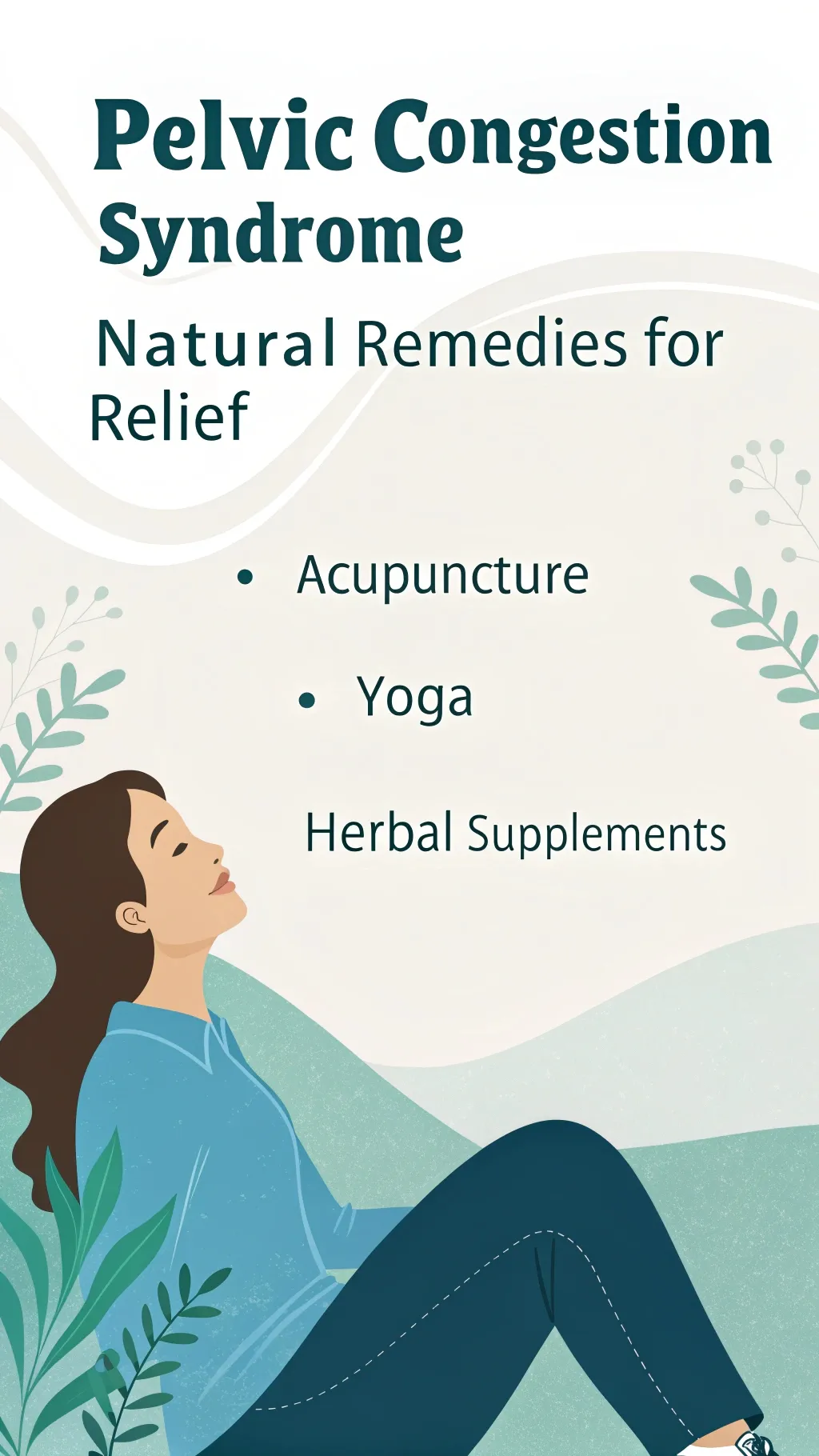
Pelvic Congestion Syndrome Natural Remedies For Relief


Chronic pelvic pain can truly stop you. It impacts daily life for many people. I know how challenging this pain feels. Many seek natural ways to find comfort. They want to support their overall well-being.
Pelvic Congestion Syndrome causes this long-term pain. It happens because of varicose veins in the pelvis. This is a real medical condition. You must see a doctor for a diagnosis. Medical treatment is essential for PCS. Natural remedies offer support. They are not a cure. They work with your doctor’s plan.
I explore natural options in this article. These include herbal remedies. We look at changes in diet and lifestyle. Simple home remedies can help too. Ancient traditions like Ayurveda offer insights. These approaches may help manage symptoms. They can be part of your care plan.
We will first understand PCS better. Then I share about helpful herbs. We cover food and daily habits next. Simple home remedies follow. Insights from Ayurveda are included. My aim is to help you integrate these safely. Natural remedies for pelvic congestion syndrome can offer valuable support. They can help with pelvic pain relief. This helps manage chronic pelvic pain.
Main Sections
Understanding Pelvic Congestion Syndrome and the Place for Natural Support
Let’s talk more about Pelvic Congestion Syndrome. Doctors call it PCS. It is a medical condition. It causes ongoing pain in your pelvis. This pain often lasts more than six months. PCS happens when veins in your pelvis get wide. They look like varicose veins you see in legs. These veins struggle to send blood back up. Blood pools there. This pooling causes pain.
Symptoms can feel different for each person. Many feel a dull ache. The pain gets worse when you sit or stand long. Pain during or after sex is common. You might also feel tired legs. Swelling can happen too. These symptoms can feel scary. It is so important to see a doctor first. You need a proper medical diagnosis. Other things can cause similar pain. Your doctor can find the real reason.
Doctors have ways to treat PCS. They might suggest procedures. These procedures close off faulty veins. Pain medicine can also help. Natural remedies are different. They do not replace medical care. Think of them as helpful partners. They work alongside your doctor’s plan.
Why do people try natural ways? Many want more tools. They seek holistic healing. They want to support their body’s health. Natural methods might ease symptoms. They can help with general wellness practices. This feels empowering for many.
Natural remedies for pelvic congestion syndrome offer support. They might help improve blood flow. They could help calm inflammation. They might ease stress too. This can improve your quality of life. But we must be careful.
Using natural remedies needs thought. Always consult a doctor first. This is very important. Tell them about your health. Mention any medicines you take. Some herbs can interact with drugs. They might not be safe for everyone. This includes if you are pregnant. Or if you are breastfeeding. A qualified natural healthcare practitioner can also guide you. Listen closely to your body. Stop any remedy that feels wrong. Your safety comes first. Natural healing methods offer possibilities. They are not magic cures.
Herbal Allies for Vein Health and Pain Management
Certain herbs offer gentle support. People used them for years. They help with circulation. They support vein health. They can ease pain too. These areas matter for PCS symptoms. I have seen herbs help many people. They offer natural treatments for varicose veins and general discomfort.
Let’s look at some helpful herbs.
Horse Chestnut (Aesculus hippocastanum)
This herb is known for veins. People use its seed extract. It helps with chronic venous insufficiency. That means weak veins. Studies suggest it can improve vein tone. It might lessen swelling and pain. It often comes as a standardized extract. This ensures you get the right part.
- Benefits: Supports vein strength. May reduce swelling. Can ease related pain.
- How Used: Often in capsules or tablets. Look for standardized extract.
- General Dosage: Around 50-100mg of aescin. Take it twice each day. Follow product directions closely. Ask your practitioner for advice.
- Safety Notes: Raw seeds are not safe. Use tested extracts only. Can upset your stomach. Might cause dizziness. Avoid if pregnant or nursing. Do not use with kidney or liver problems. It can affect blood thinners. Check with your doctor first.
- Sourcing: Choose companies that source sustainably.
Butcher’s Broom (Ruscus aculeatus)
This plant also helps veins. It is used like Horse Chestnut. People use it for poor circulation. It might make veins stronger. It can ease swelling. It helps with discomfort linked to vein issues.
- Benefits: Supports vein tone. Improves circulation feel. Reduces swelling.
- How Used: Often in capsules or extracts. Look for ruscogenins.
- General Dosage: 7-11mg ruscogenins. Take two or three times daily.
- Safety Notes: Usually well-tolerated. Can cause minor stomach issues. Might affect blood pressure medicine. Do not use if pregnant or nursing.
Ginger (Zingiber officinale)
Ginger is a kitchen hero. It is also a powerful herb. It fights inflammation well. It helps with pain. This can help manage general pain. It might ease symptoms linked to PCS. I often use ginger myself for aches.
- Benefits: Strong anti-inflammatory. Helps relieve pain. Supports digestion.
- How Used: Fresh root, dried powder, capsules. Add it to food. Drink it as tea.
- General Dosage: Varies a lot. Around 1-4 grams of dried root daily. Use less if you are sensitive.
- Safety Notes: Very safe for most people. High amounts might cause heartburn. It can upset your stomach. Check with your doctor if you take blood thinners. It might affect blood sugar medicine.
- Actionable Tip: Make simple ginger tea. Slice fresh ginger root. Add it to hot water. Let it steep for 10 minutes. Drink it to warm your body. It can help with pain relief.
Turmeric (Curcuma longa)
Turmeric is bright yellow. Its main part is curcumin. Curcumin fights inflammation strongly. It can lower swelling in your body. This might help with chronic pain.
- Benefits: Powerful anti-inflammatory. May ease pain. Supports overall health.
- How Used: Powder, capsules, extracts. Needs help to work best.
- General Dosage: Varies widely. Often 500-2000mg of curcumin extract daily. Needs piperine (from black pepper) or fat to absorb.
- Safety Notes: Safe for most people. High doses can cause digestive upset. Can affect blood thinners. Might interact with antacids. Check about blood sugar medicine too.
Herbal medicine benefits many. But remember these points. Quality is key. Find trusted sources for herbs. Herbs come in many forms. Teas, tinctures, or pills work differently. Be patient with herbs. They work slowly. You need to use them regularly. Sustainable sourcing herbs is important. It protects the plants.
Dietary, Nutritional, and Lifestyle Support
What you eat matters greatly. How you live each day matters too. Diet and lifestyle are basic tools. They support natural healing. They help manage long-term issues like PCS. Wellness practices are powerful.
Think about inflammation. It makes pain worse. An anti-inflammatory diet helps. It calms your body down. Eat lots of colorful foods. Berries and cherries are good. Leafy greens and broccoli help. Choose whole grains. Eat lean fish and beans. Add healthy fats. Olive oil, avocados, nuts are great. These have Omega-3s.
Limit certain foods. Avoid processed snacks. Cut back on sugar. Less unhealthy fats is better. Eat fewer refined carbs. Too much red meat is not ideal. Drink plenty of water. Water helps everything flow. Eat fiber too. It keeps you regular. Constipation can make pelvic pain worse.
Certain nutrients help veins. Vitamin C is one. Bioflavonoids are another. Rutin and Quercetin are examples. They are often found with Vitamin C.
- Actionable Tip: Add these to your plate. Eat more spinach. Have berries daily. Use olive oil. Snack on nuts. This helps fight inflammation.
Let me share a story. It is about Sarah. She had PCS. Doctors helped her. But her pain lingered. She felt tired too. She wanted more natural support.
-
Case Study: Sarah’s Supportive Journey with PCS
Sarah had dull pelvic pain. It stayed even after medical treatment. She felt she needed more help. She decided to change her habits. She started an anti-inflammatory diet. She ate whole foods mostly. She also added gentle exercise. She walked every day. This helped her circulation. She did this with her medical care. She planned her meals each week. She ate more fruits and veggies. She swapped chips for nuts. She walked for 30 minutes daily. She also took deep breaths at night.This did not cure her PCS. But it helped so much. After three months, her pain felt less sharp. She had more energy. She felt more in control. These home remedies supported her. They worked well with her doctor’s plan. They improved her pain management. They helped her overall well-being.
Daily habits make a difference. Gentle movement is key. Exercise helps blood flow. Try walking or swimming. Cycling can be good. Do not lift heavy things. Avoid tough workouts. They can increase pressure. Listen to your body always.
Manage your weight. Extra weight puts pressure on veins. Losing weight can help.
Stress makes pain worse. It tightens muscles. Learn ways to relax. Try deep breathing. Gentle yoga helps. Spend quiet time each day. These are stress relief techniques.
Change how you sit or stand. Do not stay in one spot too long. Lift your legs up when resting. This helps blood flow back. These are simple wellness practices. Dietary changes for pain and exercise for pelvic health are vital.
Simple Home Remedies and DIY Techniques
You can do simple things at home. These are low-cost remedies. They fit into your day easily. They can offer symptom relief.
Heat or cold can help pain. Some people find heat soothing. A warm bath feels good. A heating pad helps muscles relax. It might ease cramping pain. Others like cold. An ice pack (wrapped in cloth!) can reduce swelling. Try both carefully. See what works for you.
- Actionable Tip: Use a heating pad safely. Wrap it in a towel. Do not put it right on your skin. Use it for 15-20 minutes.
Epsom salt baths are relaxing. Your body absorbs magnesium. Magnesium helps muscles relax. A warm bath eases stress too.
- Actionable Tip: Add 1-2 cups of Epsom salts. Put them in a warm bath. Soak for 20 minutes.
Gentle massage can help. You can gently massage your lower back. Or your hips. This eases muscle tension. Tension often comes with pelvic pain. Ask a professional massage therapist. Make sure your doctor says it is okay. Avoid pressing hard. Do not massage directly on painful veins. Use a carrier oil. Almond or jojoba oil work. You can add calming herbs. Lavender or chamomile are nice. Make sure they are safe for skin. Dilute them well.
- Actionable Tip: Gently rub your lower back. Use soft, circular motions. This helps loosen tight muscles.
DIY topical applications need care. You can make a ginger compress. Use warm ginger tea. Soak a cloth. Wring it out. Put it on a sore area. Test a small spot first. Make sure your skin is okay.
- Strong Disclaimer: Be very careful with anything you put on skin. Especially near your pelvis. Skin there is sensitive. Do not use anything on broken skin. Always test it first. Ask a practitioner before trying new things.
Compression garments offer support. They are not herbal. But they help veins. Stockings or binders are examples. Doctors often suggest them for vein issues. They can support your pelvis. They might reduce swelling. Think of them as physical support.
Lifting your legs helps blood flow. Do this when you rest. It is a simple, helpful trick. These are DIY herbal remedies and practical wellness practices. Home remedies for pelvic discomfort offer simple options. Home remedy recipes are easy to follow. They help with pain management naturally.
Exploring Ayurvedic Principles for Pelvic Health Support
Ayurveda is an old health system. It comes from India. It focuses on balance. It looks at body, mind, and spirit. Ayurvedic texts do not mention PCS by name. But its ideas help manage symptoms. It offers an Ayurvedic approach to pelvic pain.
Ayurveda sees health as balance. Imbalances cause problems. Vata is about movement. It includes blood flow and nerves. Vata imbalance can cause pain. Pitta is about heat and change. Pitta imbalance can mean inflammation. Kapha is about structure and fluids. Too much Kapha can cause blockages. Veins issues might link to these imbalances. Poor circulation relates to Rakta Dhatu (blood tissue). Blockages in channels (Srotas) play a part.
Ayurvedic practices can offer support.
- Diet: Eat to balance your doshas. Warm, cooked foods are often best. They are easy to digest. Use spices that help flow. Turmeric, Ginger, Cumin, Coriander are good. Avoid cold or heavy foods. These can create Ama. Ama are toxins. They can cause blockages.
- Herbs: Ayurveda uses many herbs. Some help circulation. Some ease pain or swelling. Guggul is used for swelling and clearing channels. Ashwagandha helps with stress. Stress can make pain worse. Triphala helps your digestion. Good digestion helps overall health. Always get dosage advice. An Ayurvedic practitioner knows best.
- Practices: Movement helps. Gentle Yoga (Asanas) is good. Poses that open the pelvis help flow. Try reclined bound angle pose. Legs-up-the-wall is helpful. Gentle twists are okay. Do not do poses that hurt. Listen to your body always. Breathing exercises (Pranayama) calm the mind. Nadi Shodhana balances energy. Self-massage (Abhyanga) with warm oil helps. Use sesame oil. Gently massage your legs and lower back. Do not massage painful veins directly.
Ayurveda offers a full view. It sees you as a whole person. This integrative medicine approach supports your body. It works with your medical care. It helps manage your overall well-being. It is part of natural healing methods.
FAQs
Here are common questions I hear.
- Can natural remedies alone cure Pelvic Congestion Syndrome?
No. Pelvic Congestion Syndrome needs a doctor. It is a medical issue. Natural remedies help support you. They work with your doctor’s plan. They help manage symptoms. They are not a cure by themselves. - Which specific herbs are best for PCS pain relief?
Ginger and Turmeric help with swelling. Horse Chestnut helps veins. Butcher’s Broom supports veins too. What works best is different for everyone. Talk to your doctor or an herbalist first. They help you choose safely. - How quickly can I expect results from using natural remedies for PCS symptoms?
Natural remedies take time. They offer gentle support. You might not feel better right away. Be consistent. It can take weeks. It might take months. Focus on long-term support. Manage your expectations. - Are there any home remedies or practices I should avoid if I have PCS?
Avoid things that squeeze your pelvis. Do not lift heavy weights. Do not do hard exercises that hurt. Be careful with heat or cold. Stop if they make pain worse. Always listen to your body. Ask your doctor what is safe for you. - How do Ayurvedic principles view chronic pelvic pain?
Ayurveda sees pain as imbalance. Often Vata is involved. Pitta (swelling) or Kapha (blockages) can play a role. Ayurvedic approach to pelvic pain looks at your whole body. It suggests diet, herbs, and practices. These help bring balance back.
FAQs
Here are common questions I hear about using natural remedies for pelvic congestion syndrome.
Can natural remedies alone cure Pelvic Congestion Syndrome?
No, they cannot cure it. Pelvic Congestion Syndrome needs a doctor. It is a medical problem. Doctors give medical diagnosis and treatment. Natural remedies support you. They work with your doctor’s plan. They help manage symptoms. They improve your daily life. Use them alongside medical care. They are not a cure alone. I always stress this point.
Which specific herbs are best for PCS pain relief?
Ginger and Turmeric help swelling. These are anti-inflammatory herbs. Horse Chestnut helps vein health. Butcher’s Broom supports veins. What works best differs. I always suggest talking to your doctor. Consult a qualified herbalist too. Choose safe options together for pain management naturally.
How quickly can I expect results from using natural remedies for PCS symptoms?
Natural remedies work slowly. They give gentle support. Do not expect fast relief. Be consistent every day. It can take weeks. It might take months. Focus on long-term help. I tell people to be patient with natural healing methods.
Are there any home remedies or practices I should avoid if I have PCS?
Avoid things that hurt your pelvis. No heavy lifting. No hard exercises causing pain. These increase pressure. Be careful with heat or cold. Stop if they make pain worse. Always listen to your body. I advise asking your doctor. Ask what is safe for you. These are important wellness practices.
How do Ayurvedic principles view chronic pelvic pain?
Ayurveda sees pain as imbalance. Vata often plays a part. Pitta (swelling) can be involved. Kapha (blockages) matters too. The Ayurvedic approach to pelvic pain is whole body. It uses diet, herbs, practices. These help bring balance back. I find this integrative medicine approach helpful.
Conclusion
We looked at natural helps for pelvic congestion syndrome. We talked about herbs. Some herbs may support vein health. Others help with swelling or pain. Diet and lifestyle changes matter. Eating well lowers body swelling. Gentle movement helps blood flow. Simple home remedies offer comfort too. Warm baths can feel good. Ayurveda gives us whole body ideas. It helps balance your system.
Remember, these steps support you. They are not a cure for PCS. Pelvic congestion syndrome is a medical problem. It needs a doctor’s care. You need a medical diagnosis. Your doctor gives you treatment. Natural steps work alongside this. They are complementary.
These natural methods give you power. You take charge of your wellness journey. Find more ways to manage symptoms. Look for pelvic pain relief. These steps help your chronic pelvic pain. Think of it as integrative medicine. Find holistic healing options.
Always talk to your doctor first. Ask before you start new remedies. This is very important. Discuss any natural steps with them. They know your health best. Consult a doctor always. This keeps you safe.