June 15, 2026
Updated on June 15, 2026
Background: Clara Juniper Hayes is a 38-year-old herbalist and small business owner based in Asheville, North Carolina, a hub for natural living and holistic wellness. Born and raised in the Pacific Northwest, Clara grew up surrounded by lush forests and developed a deep love for plants and animals from a young age. Her grandmother, a folk herbalist, taught her the basics of foraging and crafting remedies, which sparked her lifelong passion for natural healing.
Profession: Clara is the founder of Herb and Fur, a blog and online shop dedicated to sharing knowledge about herbal remedies, sustainable living, and holistic pet care. She’s a certified herbalist with a degree in ethnobotany from the University of Oregon and has spent over a decade studying the medicinal properties of plants.
Personality: Warm, approachable, and a bit quirky, Clara is known for her down-to-earth writing style and knack for making complex herbal knowledge accessible. She’s an avid hiker, often accompanied by her rescue dog, Sage, and believes in the healing power of nature for both humans and their furry companions. She’s passionate about eco-conscious living and sources all her products ethically.
Hobbies: Foraging for wild herbs, tending her backyard apothecary garden, knitting pet sweaters, and hosting community workshops on herbal medicine. She’s also a self-proclaimed “tea nerd” who experiments with blending her own herbal infusions.
Why She Started Herb and Fur: After years of working in corporate wellness and feeling disconnected from her roots, Clara launched Herb and Fur to share her love for natural remedies and pet care. She wanted to create a space where people could learn to use plants to support their health and their pets’ well-being, all while fostering a deeper connection to the earth.
Fun Fact: Clara once spent a summer living off-grid in a tiny cabin in the Blue Ridge Mountains, where she perfected her recipe for a lavender-chamomile calming salve for anxious dogs.
Essential Oil Safety for Pets: A Comprehensive Guide
The world of aromatherapy and essential oils has exploded in popularity, offering a natural way to enhance well-being for humans. Many pet owners, seeking holistic approaches to their furry companions’ health and happiness, are curious about incorporating essential oils into their pets’ lives. However, when it comes to our beloved animals, caution and informed decision-making are paramount. This guide delves deep into essential oil safety for pets, exploring the nuances of using these potent plant extracts around dogs, cats, and other household animals.
While the idea of diffusing calming lavender or invigorating citrus oils might seem appealing, it’s crucial to understand that pets have different physiology than humans. Their livers metabolize substances differently, their respiratory systems are more sensitive, and their sense of smell is far more acute. This means what’s perfectly safe for us can be harmful, even toxic, to them.
Understanding the Unique Physiology of Pets
Before we explore specific oils, let’s touch on why essential oil safety for pets is such a critical topic.
Liver Metabolism: Many essential oils contain compounds that are broken down by the liver. Dogs and cats, particularly cats, have less efficient liver enzymes, making them more susceptible to toxic buildup from certain oils.
Respiratory Sensitivity: A pet’s respiratory system is delicate. Diffusing oils, even in low concentrations, can irritate their airways, leading to coughing, wheezing, or even more severe respiratory distress.
Acute Sense of Smell: Pets have an incredibly powerful sense of smell. An aroma that is pleasant and subtle to us can be overwhelming and distressing to them. They cannot simply “turn off” their sense of smell or leave a room if an aroma is bothering them.
Skin Absorption: Pets can absorb essential oils through their skin, especially if applied topically. This can lead to localized irritation or systemic toxicity if the oil is absorbed into the bloodstream.
Ingestion Risk: Pets are curious creatures. They may lick spilled oils, chew on diffusers, or groom oils off their fur, leading to accidental ingestion, which is often the most dangerous route of exposure.
Are All Essential Oils Dangerous for Pets?
No, not all essential oils are inherently dangerous for pets. However, the vast majority require extreme caution, and some should be avoided entirely. The key lies in understanding which oils are problematic, which can be used with extreme care, and the methods of application.
It’s important to differentiate between a pet being in the same room as a properly diluted and safely diffused oil versus direct application or ingestion. The risks escalate dramatically with direct contact or concentrated exposure.
Essential Oils to AVOID Around Pets (Especially Cats)
This list is not exhaustive, but it covers many commonly used essential oils that are known to be toxic to pets, particularly cats. Cats are especially sensitive due to their lack of certain liver enzymes.
Tea Tree Oil (Melaleuca): Highly toxic, can cause severe neurological and gastrointestinal issues.
Peppermint Oil: Can cause gastrointestinal upset, central nervous system depression, and liver toxicity.
Citrus Oils (Lemon, Orange, Grapefruit, Lime): High in d-limonene, which can be toxic to cats and dogs. Can cause vomiting, diarrhea, lethargy, and liver damage.
Pine Oils: Can cause liver and kidney damage.
Wintergreen Oil: Contains methyl salicylates, similar to aspirin, and can cause vomiting, diarrhea, and central nervous system issues.
Cinnamon Oil: Can cause skin irritation, vomiting, diarrhea, and potentially liver issues.
Eucalyptus Oil: Can cause vomiting, diarrhea, lethargy, and neurological problems.
Clove Oil: Can cause liver toxicity and gastrointestinal upset.
Pennyroyal Oil: Extremely toxic, can cause liver failure.
Ylang Ylang Oil: Can cause vomiting, diarrhea, and lethargy.
Even if an oil is not on this “avoid” list, it doesn’t automatically mean it’s safe. Always err on the side of caution.
Essential Oils That May Be Used with Extreme Caution (and When to Consult a Vet)
Some oils are considered less toxic, but their use still demands vigilance and strict adherence to safety guidelines. It is always best to consult with your veterinarian or a certified veterinary aromatherapist before using any essential oil on or around your pet.
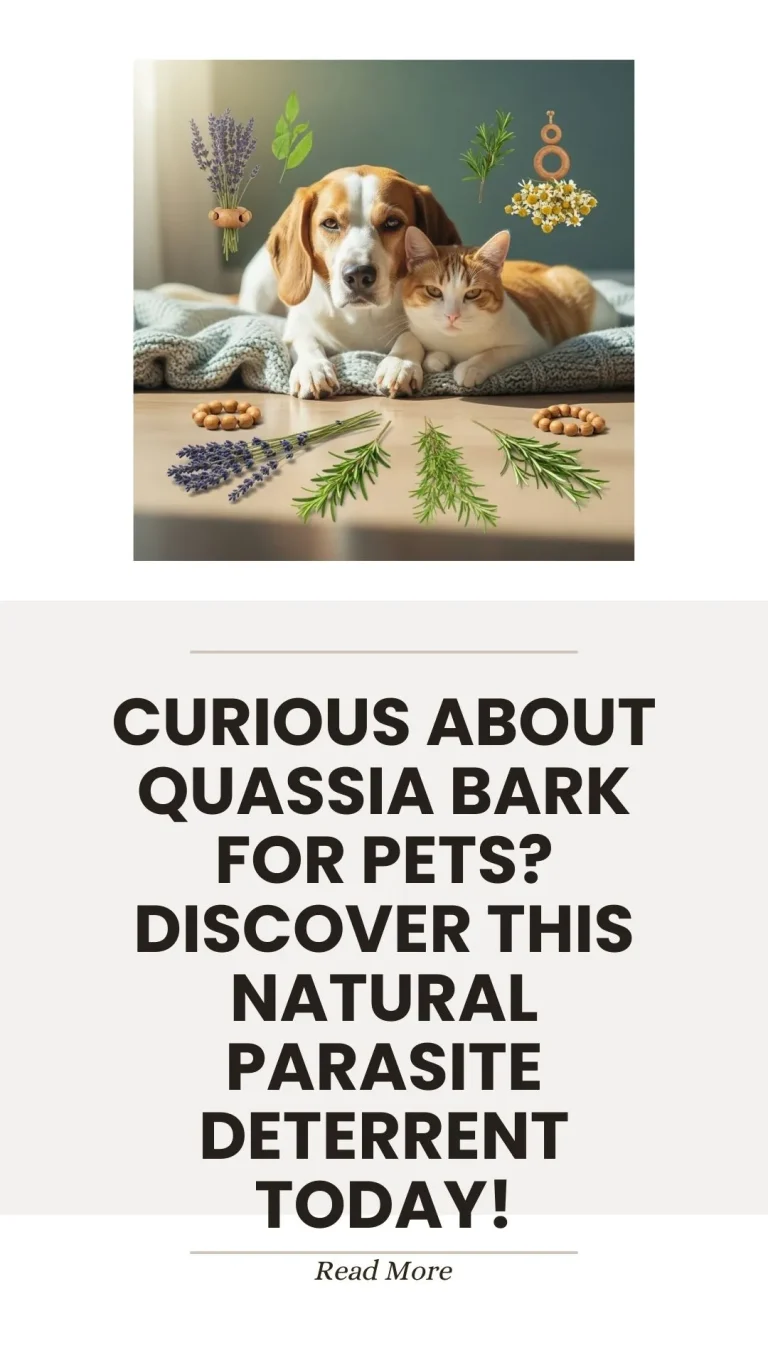
Lavender Oil (Lavandula angustifolia): When heavily diluted and diffused in a well-ventilated area, pure therapeutic-grade lavender oil may* have calming effects. However, even this can cause gastrointestinal upset or lethargy if ingested or if the concentration is too high.
Chamomile Oil (Roman): Similar to lavender, it may* offer calming benefits when heavily diluted and diffused.
Frankincense Oil: This is a complex one. While some sources suggest potential benefits for dogs, such as anti-inflammatory properties, its use requires extreme caution. The safety of frankincense oil for dogs is a nuanced topic that deserves careful consideration. We explore this in detail in our main post, Is Frankincense Oil Safe for Dogs? Benefits and Risks Explained. Direct application should be avoided, and diffusion should be done in well-ventilated spaces with the pet having an escape route.
Safe Practices for Using Essential Oils Around Pets
If you choose to use essential oils around your pets, prioritize their safety above all else. Here are some crucial guidelines:
Consult Your Veterinarian FIRST: This cannot be stressed enough. Your vet can provide guidance specific to your pet’s species, breed, age, and any existing health conditions. They can also advise on which oils are safe and which to avoid entirely.
Dilution is Key: Never use essential oils undiluted on or around your pet. For topical application (which should only be done under veterinary guidance), oils must be heavily diluted with a carrier oil like fractionated coconut oil or jojoba oil. A general guideline for dogs is 0.5-1% dilution (1-2 drops of essential oil per ounce of carrier oil). Never apply oils to cats.
Ventilation is Crucial: If diffusing oils, ensure the room is very well-ventilated. Always allow your pet an easy escape route to a scent-free area. Never diffuse in small, enclosed spaces like carriers or bedrooms where pets sleep.
Keep Oils Out of Reach: Store all essential oils in secure, child-proof (and pet-proof) containers, well out of your pet’s reach. Pets can chew on bottles, leading to ingestion and potential poisoning.
Observe Your Pet Closely: After introducing any new scent, monitor your pet for any adverse reactions. Signs of distress can include:
* Drooling
* Vomiting or diarrhea
* Lethargy or weakness
* Difficulty breathing, coughing, or wheezing
* Redness or irritation of the skin or eyes
* Changes in behavior (hiding, restlessness)
* Neurological signs like wobbliness or tremors
Avoid Direct Application: Unless specifically recommended and guided by a veterinarian, avoid applying essential oils directly to your pet’s skin, fur, or paws. They will likely lick it off, leading to ingestion.
Be Wary of “Pet-Specific” Products: While some products are marketed for pets, always scrutinize the ingredients. Understand what essential oils are used and research their safety for your specific pet.
Consider Species Differences: Dogs and cats have different sensitivities. What might be tolerated by a dog could be highly toxic to a cat. Birds and small mammals like rabbits and guinea pigs are even more sensitive.
Know the Source and Purity: If you choose to use essential oils, ensure they are 100% pure, therapeutic-grade oils from a reputable source. Avoid “fragrance oils” which are synthetic and can be harmful.
The Dangers of Ingestion and Topical Application
Ingestion of essential oils, whether through licking a diffuser, grooming fur, or directly consuming the oil, is incredibly dangerous. The concentrated nature of these oils can quickly overwhelm a pet’s system, leading to severe gastrointestinal distress, liver damage, kidney failure, seizures, and even death.
Topical application, even when diluted, carries risks. Pets groom themselves, and any residue on their fur will be ingested. Furthermore, their skin is more sensitive than ours, and even diluted oils can cause irritation, allergic reactions, or be absorbed systemically.
When to Seek Veterinary Care
If you suspect your pet has been exposed to a toxic essential oil or is showing any signs of distress, contact your veterinarian or an animal poison control center immediately. Time is critical in cases of essential oil poisoning.
Conclusion: Prioritize Pet Safety Above All Else
While the allure of natural remedies is strong, when it comes to essential oil safety for pets, caution, education, and veterinary consultation are non-negotiable. The potential risks associated with essential oils for our animal companions are significant, and it’s vital to approach their use with the utmost care and responsibility. Always prioritize your pet’s well-being and consult with professionals before introducing any new substances into their environment. Understanding the nuances, like the specific safety considerations for frankincense oil in dogs, is part of this responsible approach.
Background: Clara Juniper Hayes is a 38-year-old herbalist and small business owner based in Asheville, North Carolina, a hub for natural living and holistic wellness. Born and raised in the Pacific Northwest, Clara grew up surrounded by lush forests and developed a deep love for plants and animals from a young age. Her grandmother, a folk herbalist, taught her the basics of foraging and crafting remedies, which sparked her lifelong passion for natural healing.
Profession: Clara is the founder of Herb and Fur, a blog and online shop dedicated to sharing knowledge about herbal remedies, sustainable living, and holistic pet care. She’s a certified herbalist with a degree in ethnobotany from the University of Oregon and has spent over a decade studying the medicinal properties of plants.
Personality: Warm, approachable, and a bit quirky, Clara is known for her down-to-earth writing style and knack for making complex herbal knowledge accessible. She’s an avid hiker, often accompanied by her rescue dog, Sage, and believes in the healing power of nature for both humans and their furry companions. She’s passionate about eco-conscious living and sources all her products ethically.
Hobbies: Foraging for wild herbs, tending her backyard apothecary garden, knitting pet sweaters, and hosting community workshops on herbal medicine. She’s also a self-proclaimed “tea nerd” who experiments with blending her own herbal infusions.
Why She Started Herb and Fur: After years of working in corporate wellness and feeling disconnected from her roots, Clara launched Herb and Fur to share her love for natural remedies and pet care. She wanted to create a space where people could learn to use plants to support their health and their pets’ well-being, all while fostering a deeper connection to the earth.
Fun Fact: Clara once spent a summer living off-grid in a tiny cabin in the Blue Ridge Mountains, where she perfected her recipe for a lavender-chamomile calming salve for anxious dogs.