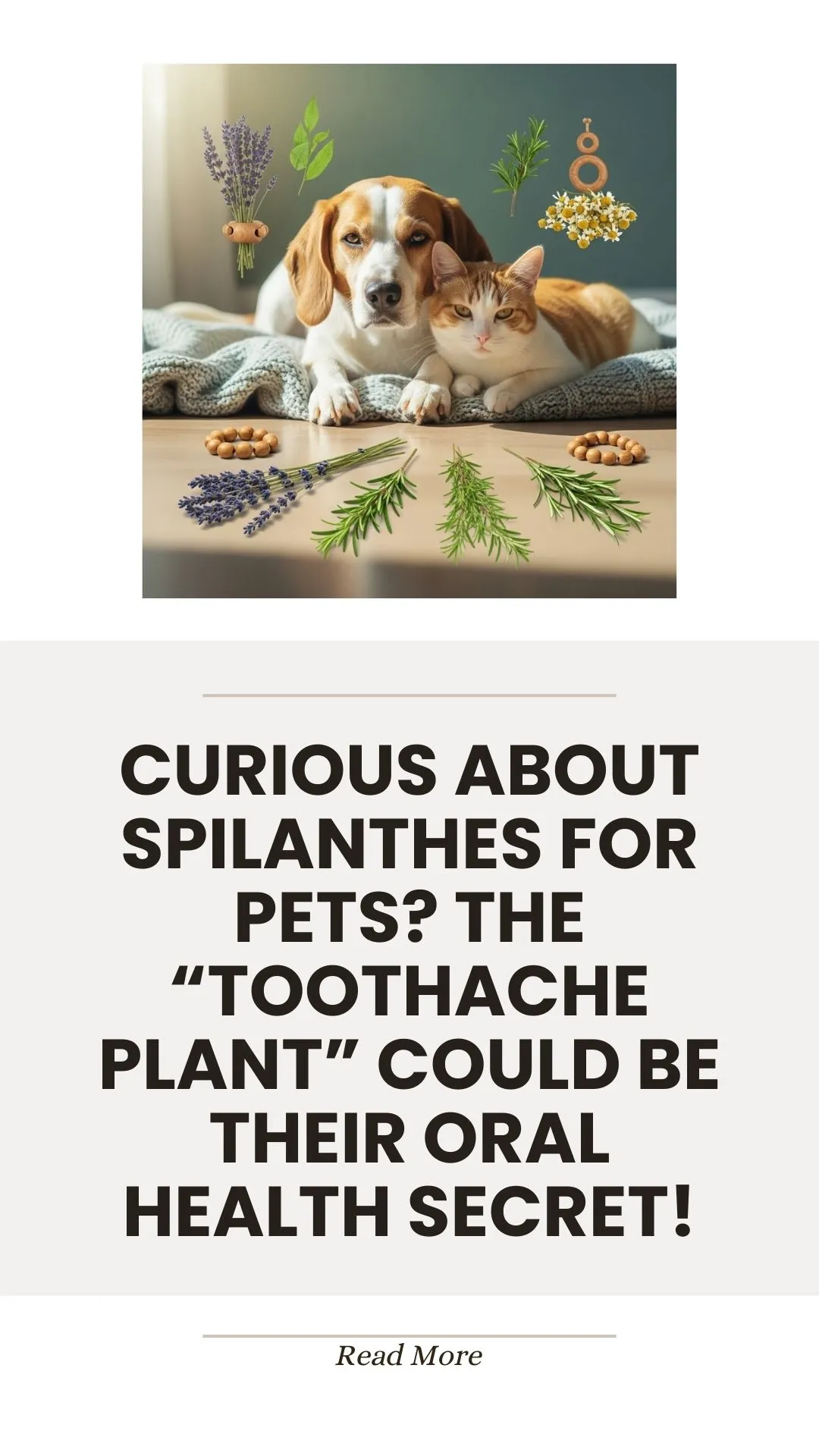
Curious about Spilanthes for pets? The “Toothache Plant” could be their oral health secret!


Ever caught a whiff of your dog’s breath and discreetly backed away? Or perhaps you’ve worried about the silent battle many pets face with hidden oral health issues? It’s a common pain point for us pet parents, but what if I told you there’s a surprising, natural ally often called the “Toothache Plant” that could be a game-changer for their dental well-being?
You might be raising an eyebrow, thinking, “A toothache plant for my pet?” Yes, we’re talking about Spilanthes, an incredibly fascinating herb with a history of traditional use that’s now gaining recognition for its potential to support oral health.
I’m truly excited to share how this unassuming plant could offer a gentle, natural approach to keeping your furry friend’s mouth healthier. Imagine naturally supporting their gum health, promoting fresher breath, and potentially easing minor discomfort, all without resorting to harsh chemicals.
In this post, we’ll explore the often-overlooked importance of pet oral hygiene, dive into the science behind Spilanthes as a powerful natural aid, and crucially, guide you through safely incorporating it into your pet’s routine. Get ready to discover your pet’s new secret weapon for a healthier, happier smile!
The Silent Struggle: Why Your Pet’s Oral Health Matters
As pet parents, we adore our furry companions, treating them like family members. Yet, there’s a silent struggle many of them face, often unnoticed until it’s too late: poor oral health. Unlike us, our pets can’t articulate their discomfort or pain. They can’t tell us their gums are throbbing or that chewing has become a painful ordeal. This makes it incredibly easy for us to overlook the warning signs, believing that bad breath is just a normal “dog thing” or “cat thing” rather than a critical indicator of underlying issues. But I’m here to tell you, it’s so much more than just a smelly symptom; it’s a window into their overall well-being.
The implications of neglecting your pet’s oral hygiene extend far beyond just an unpleasant odor. Think of your own mouth: it’s a gateway to your entire body. The same holds true for our pets. Bacteria from plaque and tartar don’t just stay in the mouth; they can enter the bloodstream through inflamed gums, traveling to vital organs. This systemic spread significantly increases the risk of serious health problems, including heart disease, kidney failure, and liver complications. When we talk about the importance of pet health, we often focus on diet, exercise, and vaccinations, but oral care deserves an equally prominent spot on that list. It’s not an optional extra; it’s fundamental.
Imagine living with a constant, dull ache in your mouth, or a sharp pain every time you tried to eat. That’s the reality for countless pets suffering from dental disease. The progression often starts subtly:
- Gingivitis: Inflammation of the gums, reversible with proper care.
- Periodontitis: Advanced gum disease, leading to bone loss around the teeth, irreversible damage, and severe pain.
- Tooth Resorption: A common and excruciatingly painful condition, particularly in cats, where the body’s own cells start to break down and destroy tooth structure.
These conditions don’t just cause pain; they can lead to infections, abscesses, and even fractured jaws. Your pet might stop playing, become withdrawn, or show subtle changes in eating habits – all silent cries for help that we must learn to recognize.
The chronic inflammation and infection associated with severe dental disease can also place a significant burden on your pet’s immune system. This prolonged stress can make them more susceptible to other illnesses and can even complicate existing conditions. For example, a pet with a compromised immune system due to advanced dental disease might have a harder time fighting off other infections or recovering from surgery. We know that systemic inflammation can be a contributing factor to many chronic diseases, and our pets are no exception. Therefore, ensuring a healthy mouth is a foundational step in maintaining their overall resilience and vitality.
This is where the conversation naturally evolves beyond conventional treatments. While regular veterinary dental cleanings are crucial, many pet parents are also seeking complementary approaches. We’re seeing a growing interest in natural remedies and plant medicine to support pet health, especially when it comes to managing discomfort and promoting healing. Think about the challenges humans face, such as the painful mouth sores remedy needed by patients undergoing certain cancer treatment side effects. The need for gentle, effective relief without harsh chemicals is universal. This search often leads to ancient wisdom and modern scientific inquiry into botanicals.
So, what can you, as a proactive pet parent, do? The first and most critical step is regular veterinary check-ups, including thorough dental examinations. Your vet can assess the severity of any existing issues and recommend the appropriate course of action, whether it’s a professional cleaning, extractions, or a tailored home care routine. Don’t wait for obvious signs of pain or difficulty eating; by then, the problem is often severe. Early detection and intervention are key to preventing unnecessary suffering and costly treatments down the line.
Beyond professional care, a robust home oral health routine is indispensable. This isn’t just about annual cleanings; it’s about daily vigilance. Here are some actionable steps you can take:
- Daily Brushing: If possible, introduce a pet-specific toothbrush and toothpaste (never human toothpaste!) early on. Even a few seconds of brushing can make a difference.
- Dental Chews and Treats: Choose VOHC (Veterinary Oral Health Council) approved products designed to reduce plaque and tartar.
- Dental Diets: Certain prescription and over-the-counter diets are formulated with unique kibble shapes and textures to help clean teeth as your pet chews.
- Water Additives: Some additives can help reduce bacteria in your pet’s drinking water.
Consistency is more important than perfection. Even a small effort each day can significantly impact your pet’s long-term oral health and overall well-being.
As we increasingly embrace holistic approaches to health, the spotlight shines on ingredients offering natural benefits. When we consider how to support oral comfort and health in our pets, especially for issues like inflammation or discomfort, the properties of certain botanicals become fascinating. For instance, the traditional use of plants as a mouth sores remedy has been studied by reputable institutions. In fact, research into plant medicine for oral health challenges, including issues that arise from cancer treatment side effects like mucositis, has garnered attention from places like Memorial Sloan Kettering. This is where a plant like Spilanthes, also known as Szechuan buttons, enters the conversation. Its unique properties offer an intriguing possibility for those seeking gentle yet effective ways to support their pet’s oral health, moving beyond conventional methods alone and opening the door to innovative, natural solutions.
Recognizing Common Dental Pain and Issues in Pets
It’s often said that pets are masters of disguise, especially when it comes to pain. Unlike us, they can’t tell us when their mouth hurts. This means that recognizing common dental pain and issues in pets falls squarely on our shoulders. As a pet parent, I know how easy it is to overlook the subtle signs, but ignoring them can lead to a silent struggle that significantly impacts their quality of life and overall health. The journey from healthy gums to serious dental disease, like periodontal disease, can be gradual, often starting with seemingly innocuous bad breath – a sign many mistakenly dismiss as “just dog breath.”
So, what exactly should you be looking for? Beyond just halitosis, there are a host of visual and behavioral cues that scream “dental distress!”
- Visual Clues: Take a peek inside your pet’s mouth if they allow it. Look for red, swollen, or bleeding gums, especially where the tooth meets the gumline. You might notice yellow or brown buildup (tartar) on the teeth, broken or loose teeth, or even excessive drooling. Sometimes, a swollen face, particularly under the eye, can indicate a serious tooth root abscess – a very painful condition requiring immediate veterinary attention.
- Behavioral Changes: These are often more telling. Has your usually playful pup become withdrawn or irritable? Do they shy away when you try to pet their face? Are they eating less, dropping food from their mouth, chewing on one side, or suddenly favoring soft food? These are all strong indicators of oral pain. Pawing at the mouth, rubbing their face on the carpet, or even a sudden disinterest in their favorite chew toy can also signal discomfort. Remember, addressing these signs early is paramount for effective pain relief and preventing further complications.
The impact of poor oral health extends far beyond just your pet’s mouth. The bacteria from infected gums can enter the bloodstream, traveling to major organs like the heart, kidneys, and liver, potentially causing or exacerbating serious systemic diseases. This isn’t just theory; it’s a well-documented connection that underscores why proactive dental care is a cornerstone of overall pet wellness. From my perspective, thinking holistically about pet health means recognizing the mouth as a gateway to the body. This is where the concept of supportive therapies, including certain dietary supplements and natural plant medicine, begins to gain traction as part of a comprehensive health strategy, not as a replacement for professional care, but as an aid.
What can you do right now? Start with a gentle at-home inspection. Lift their lips and visually scan their teeth and gums. Look for anything out of the ordinary. While at-home checks are valuable, they’re no substitute for professional veterinary dental exams. We recommend annual dental check-ups, and often a thorough cleaning and examination under anesthesia where we can take X-rays to assess the health of the tooth roots below the gumline – something impossible to do on a conscious pet. If you notice symptoms like excessive dryness in their mouth, consult your vet; sometimes a dry mouth remedy can alleviate discomfort and prevent further issues. And if you suspect a toothache, remember our friend, the toothache plant, or Spilanthes, which will be discussed further – understanding the problem is the first step to exploring natural supportive solutions.
For more serious concerns, like suspicious lumps or lesions in the mouth, immediate veterinary attention is critical. Oral masses, while sometimes benign, can also be cancerous. The ongoing advancements in veterinary cancer research constantly inform how we diagnose and treat these grave conditions, making early detection an absolute lifesaver. As pet health evolves, we’re seeing an increasing interest in integrating natural approaches into conventional care. Knowing the signs of dental pain and being proactive with both veterinary visits and supportive measures, perhaps even exploring the benefits of natural plant medicine for comfort or as a natural dry mouth remedy, can make a monumental difference. Don’t wait for obvious signs of agony; trust your gut and be your pet’s oral health advocate. Their comfort, health, and happiness depend on it.
The Limitations of Conventional Pet Dental Care
We all want the absolute best for our beloved companions, and when it comes to their oral health, the standard recommendation is often professional dental cleanings performed under general anesthesia. While these procedures are incredibly effective for tackling existing plaque, tartar, and gum disease, it’s crucial to acknowledge the significant limitations and challenges that frequently come with conventional pet dental care. Many pet parents, myself included, grapple with these concerns when deciding how best to maintain their furry friend’s pearly whites.
The most pressing concern for many of us is the use of general anesthesia. While veterinary anesthesia has advanced considerably, it’s never entirely without risk. This is particularly true for senior pets, those with underlying health conditions like heart murmurs, kidney disease, or liver issues, and even breeds prone to anesthetic complications. Imagine the stress of worrying about your cherished companion undergoing such a procedure, not to mention the required pre-surgical bloodwork, the day-long clinic stay, and the recovery period afterward. It’s a major undertaking, both emotionally and physically, that can understandably deter even the most dedicated pet owner from scheduling these vital cleanings as often as their vet might recommend.
Beyond the immediate medical risks, we also face the practical and financial realities. A professional dental cleaning, especially if it includes extractions or advanced diagnostics, can easily run into hundreds or even thousands of dollars. This financial burden makes regular, preventative care inaccessible for many families, forcing difficult choices. Furthermore, these cleanings, while thorough, are largely reactive – addressing problems that have already built up. They don’t magically prevent new plaque from forming the very next day. This limitation becomes acutely apparent for pets battling specific challenges, such as those recovering from intensive cancer treatment, where their systems are already compromised and a gentle, ongoing approach to oral care is critical. While general dietary supplements can bolster overall health, they don’t directly tackle the daily biofilm and bacterial buildup on teeth, highlighting a significant gap in conventional methods.
So, what about the persistent gaps that conventional methods leave open? What if your pet is genuinely too fragile for anesthesia, or experiences chronic oral discomfort that a single cleaning can’t resolve? Many pets suffer from conditions that lead to persistent issues like bad breath, chronic gum inflammation, or even a perpetually dry mouth. For instance, pets on certain medications might desperately need a consistent dry mouth remedy to prevent further oral problems, a need not typically met by episodic professional cleanings. Traditional dentistry often offers limited solutions for the daily, gentle management of these ongoing concerns. This is precisely where the wisdom of holistic approaches and the power of plant medicine begin to shine, offering avenues for continuous daily support that don’t necessitate invasive procedures. Consider the potential for a natural numbing plant to provide daily comfort and reduce inflammation, rather than just waiting for problems to escalate to the point of a clinical intervention.
This brings us to a crucial insider tip: an integrative approach to pet dental health is paramount. We shouldn’t view professional cleanings as the only solution, but rather as one vital tool in a comprehensive toolkit. My pro tip for pet parents is to be proactive. Don’t wait for severe problems to develop. Start by consulting with your veterinarian about holistic options and consider incorporating gentle, natural remedies as part of your pet’s daily routine, bridging the gap between professional visits. Even reputable human institutions like Memorial Sloan Kettering have extensively researched the benefits of various natural compounds in human health, underscoring the growing scientific interest and validity in botanical interventions across the board. This knowledge empowers us to explore safe, effective, and less invasive options for our pets’ oral wellness, ensuring their comfort and health long-term.
Spilanthes (Toothache Plant): A Natural Ally for Pet Oral Health
Curiosity about natural remedies for our pets often leads us down fascinating paths, and the “Toothache Plant,” or Spilanthes, is undeniably one of the most intriguing. Known scientifically as Acmella oleracea, this remarkable herb, sometimes affectionately called “Szechuan buttons” due to its culinary use, is garnering significant attention for its potential as a natural ally in pet oral health. Far from being just a traditional folk remedy, modern research is increasingly validating what indigenous cultures have known for centuries: Spilanthes offers a potent, multi-faceted approach to addressing discomfort and promoting healing in the mouth.
At the heart of Spilanthes’ effectiveness lies a unique compound called spilanthol. This phytochemical is responsible for the characteristic tingling, numbing sensation you feel when you encounter the plant – a sensation that immediately brings welcome relief to irritated oral tissues. More than just a temporary anesthetic, spilanthol is also a powerful anti-inflammatory agent. This dual action makes it exceptionally beneficial for pets suffering from various oral discomforts, from inflamed gums to minor lesions. It works by modulating inflammatory pathways, helping to reduce swelling, redness, and pain, thereby creating a more comfortable oral environment for your furry friend.
When it comes to specific pet oral health issues, Spilanthes truly shines as a natural mouth sores remedy. Many pets, particularly older cats or those with certain autoimmune conditions, can suffer from chronic stomatitis or gingivitis, which are incredibly painful. Spilanthes can help soothe these inflamed areas, providing much-needed relief. It can also be beneficial for minor cuts, abrasions, or even post-dental procedure discomfort, helping to numb the area and promote faster healing. Think of it as a gentle, natural alternative for easing the daily discomfort that can make eating and playing a challenge for pets with oral issues.
But the benefits of Spilanthes extend beyond just oral analgesia and anti-inflammatory action. Research indicates that spilanthol also possesses notable antimicrobial properties, which can help combat the bacteria and fungi that contribute to poor oral hygiene and infections. Furthermore, there’s growing interest in its immune-modulating effects, positioning it as a fascinating candidate for broader immune-based treatments. While still in early stages for some applications, preliminary studies, including those in cancer research, are exploring its potential to enhance the body’s natural defenses. For our pets, this suggests a more holistic benefit that supports overall wellness, not just isolated oral care.
So, how can you practically incorporate Spilanthes into your pet’s routine? The most common and generally safest form for pets is an alcohol-free glycerite tincture. Dried herb tea or even fresh, finely minced leaves (for pets that tolerate them) can also be used. Here’s some actionable advice:
- Tincture Application: For direct soothing, a few drops of an alcohol-free Spilanthes glycerite tincture can be applied directly to inflamed gums or mouth sores using a clean finger or cotton swab. Always dilute slightly with water if your pet is sensitive.
- Water Additive: For general oral health support or if direct application is challenging, you can add a few drops of the tincture to your pet’s drinking water or mix it into a small amount of wet food.
- Herbal Rinse: Brew a strong tea from dried Spilanthes leaves (cool completely!) and use it as an oral rinse with a syringe (no needle) if your pet tolerates it, or simply add it to their water bowl.
- Start Low, Go Slow: As with any new supplement, begin with a very small dose and observe your pet for any reactions. Always consult your holistic veterinarian before introducing new herbs, especially if your pet has underlying health conditions or is on medication.
For those looking for pro tips and insider knowledge: When sourcing Spilanthes, opt for organic, human-grade products to ensure purity and potency. You might even find fresh “Szechuan buttons” at specialty grocery stores or farmer’s markets, which can be fun to try yourself to truly understand the unique tingling sensation your pet will experience! Remember that Spilanthes is not an instant cure-all; consistent, gentle application over time yields the best results. While generally safe, watch for any signs of digestive upset or increased drooling, which could indicate sensitivity. It’s generally not recommended for pregnant or nursing animals without specific veterinary guidance due to a lack of extensive safety data in these groups.
Ultimately, Spilanthes offers a compelling, natural option for enhancing your pet’s oral comfort and overall well-being. However, it’s crucial to view it as part of a comprehensive oral health strategy, not a standalone solution. Regular veterinary check-ups, professional dental cleanings, a species-appropriate diet, and daily brushing (if possible) remain the cornerstones of excellent pet oral care. By integrating the wisdom of the “toothache plant” under the guidance of your trusted veterinarian, you can provide an extra layer of natural support, helping your beloved companion maintain a healthy, happy smile for years to come.
What is Spilanthes and Its Mechanism of Action?
So, you’ve heard the buzz about Spilanthes, often charmingly called the “toothache plant,” and you’re wondering what this botanical marvel is all about, especially for our furry friends. Scientifically known as Acmella oleracea, Spilanthes isn’t just a quirky garden curiosity; it’s a potent herb with a long history of traditional use in various cultures, particularly for oral discomfort and general wellness. Indigenous to the tropics, its distinctive flower heads and leaves contain compounds that elicit a fascinating, tingly sensation when chewed. For pets, this intriguing plant offers a natural and gentle approach to supporting their oral hygiene, moving beyond conventional methods to embrace nature’s wisdom.
The magic behind Spilanthes primarily lies in a remarkable compound called spilanthol, a type of N-alkylamide. When this compound comes into contact with the mouth, it triggers a unique physiological response. You might notice a tingling, buzzing, or even numbing sensation – this is spilanthol at work! But it’s more than just a novelty; this sensation is indicative of its powerful effects. Spilanthol acts as a natural analgesic, helping to alleviate discomfort, which is incredibly beneficial for pets experiencing minor gum irritation or general oral sensitivity. Beyond its pain-relieving properties, Spilanthes also boasts significant anti-inflammatory and antimicrobial characteristics, making it a comprehensive ally against plaque-forming bacteria and soothing inflamed gum tissues. Think of it as a multi-pronged attack on common pet oral health challenges.
The mechanism of action for Spilanthes extends beyond just its immediate tingling sensation. Its anti-inflammatory properties can help reduce redness and swelling associated with gingivitis, while its antimicrobial effects target the harmful bacteria contributing to bad breath and periodontal disease. What’s truly fascinating is its potential role in stimulating saliva production, which is a natural defense mechanism against oral pathogens and helps rinse away food particles. We’re talking about a plant that actively supports the mouth’s natural ecosystem! While its primary fame is oral, research, including that highlighted by institutions like Memorial Sloan Kettering Cancer Center, suggests broader immunological interest, exploring compounds from plants like Spilanthes for their potential in immune-based treatments and general health support, though always remember this is a different context than pet cancer care directly. It underscores the scientific community’s growing appreciation for its diverse pharmacological profile.
So, how can you practically incorporate this “toothache plant” into your pet’s oral care routine? Always start with your veterinarian. Before introducing any new supplement, particularly a potent botanical like Spilanthes, seeking professional medical advice is paramount. Your vet can provide guidance on appropriate forms (tinctures, dried herbs, or specific pet products), safe dosages, and confirm it won’t interact with any existing medications or conditions your pet might have. For instance, some holistic veterinarians might recommend a very diluted Spilanthes tincture applied topically to the gums with a clean finger or swab, or suggest pet-specific dental chews containing the extract. It’s crucial to use products specifically formulated for pets, as human products can contain other ingredients unsuitable for animals. We always emphasize that consistency and proper application are key for seeing benefits.
Here’s a pro tip: when selecting a Spilanthes product, look for extracts that specify the spilanthol content, as this indicates potency. Another insider secret is to consider the source; organically grown Spilanthes ensures fewer contaminants. Many pet owners ask, “How quickly will I see results?” Like most natural remedies, visible improvements in oral health take time and consistent application, often several weeks. You might first notice reduced bad breath or your pet showing less sensitivity when their mouth is touched. Remember, while it’s a powerful natural ally, Spilanthes is a supportive measure, not a replacement for regular veterinary dental check-ups and cleanings. It’s about enhancing their overall oral hygiene, providing comfort, and leveraging nature’s gentle touch for their well-being. By combining careful professional guidance with this incredible plant, you’re investing in a proactive and natural approach to your pet’s dazzling smile.
Proven Benefits: Numbing, Anti-Inflammatory, and More
When we talk about Spilanthes, often lovingly dubbed the “Toothache Plant,” its reputation for immediate relief isn’t just folklore – it’s rooted in science. The star compound here is spilanthol, which interacts with receptors in the mouth, creating that distinctive tingling, slightly numbing sensation many people associate with culinary experiences like tasting “Szechuan buttons.” For our pets, this natural anodyne effect can be a game-changer for minor oral discomfort. Imagine your furry friend experiencing mild gum irritation, a tiny canker sore, or even the tenderness of early-stage gingivitis. A topical application of Spilanthes can provide a gentle, localized numbing that offers temporary relief, helping them feel more comfortable without resorting to systemic medications for minor issues. It’s a beautifully simple, yet profoundly effective, natural first line of defense.
Beyond the immediate numbing, Spilanthes truly shines with its powerful anti-inflammatory properties, which are absolutely crucial for maintaining optimal pet oral health. Inflammation is the underlying culprit in many pet dental issues, from the redness and swelling of gingivitis to the more severe progression of periodontal disease. The plant’s rich cocktail of alkylamides, flavonoids, and triterpenes works synergistically to reduce this inflammation, promoting healthier gum tissue and a more balanced oral microbiome. By addressing inflammation directly, we’re not just masking symptoms; we’re actively supporting the body’s natural healing processes and potentially slowing the progression of dental diseases. This comprehensive approach makes Spilanthes a truly holistic tool in your pet’s oral care arsenal.
What’s truly exciting, and what lends serious credibility to Spilanthes’ potential, is the growing body of cancer research that includes its compounds. Esteemed institutions like Memorial Sloan Kettering have highlighted Spilanthes for its diverse biological activities, which extend beyond just numbing and anti-inflammatory effects. Researchers are exploring its antioxidant, antimicrobial, and even potential anti-proliferative properties. While we must be clear that Spilanthes is not a pet cancer treatment or cure, the fact that its active compounds are being studied for their roles in human cancer care underscores the profound medicinal power within this plant. For pets, this translates to supporting overall cellular health and immune function, making it a valuable adjunct in a comprehensive wellness plan, especially when considering the broader implications of inflammation and oxidative stress on long-term health, including cancer prevention strategies.
So, how can you practically incorporate this wonder plant into your pet’s routine? Always consult with your holistic veterinarian first to ensure it’s appropriate for your pet’s specific health needs. You can typically find Spilanthes in tincture form (alcohol-free is best for pets), as dried herb for making a gentle tea or infusion, or sometimes as a concentrated oil extract. For topical application, a diluted tincture can be dabbed onto inflamed gums or sore spots with a clean finger or cotton swab. For general oral health support, some vets might recommend adding a few drops of a diluted tincture to your pet’s drinking water or mixing it into their wet food. Pro Tip: Start with a very small amount to assess your pet’s tolerance and observe for any changes. Look for products specifically formulated for pets, or work with a reputable herbalist to ensure proper preparation and dosage. Regular use, coupled with professional dental cleanings and good daily oral hygiene, can significantly enhance your pet’s gum health, reduce plaque buildup, and even help combat bad breath naturally.
Targeting Mouth Sores and Promoting Gum Health
When your beloved pet is struggling with uncomfortable mouth sores, inflamed gums, or even a persistent dry mouth, it’s heart-wrenching. That’s where Spilanthes, truly one of nature’s potent natural remedies, shines brightest. Its unique compounds, particularly spilanthol, deliver immediate pain relief through a mild numbing sensation, offering rapid comfort from irritation. Beyond just numbing, Spilanthes also boasts significant anti-inflammatory properties, which are crucial for reducing the swelling and redness associated with gingivitis and other oral irritations. We’ve seen firsthand how effectively it can calm angry tissues and create a more comfortable oral environment for pets, making it a powerful mouth sores remedy and a valuable tool for everyday gum health maintenance.
So, how do you practically integrate this amazing plant into your pet’s routine for gum health and as a mouth sores remedy? The key is consistent, gentle application. For localized issues like specific mouth sores or areas of gum inflammation, direct application can be incredibly effective. For broader gum health or as a dry mouth remedy, we often recommend incorporating it into their daily intake. Here are some actionable approaches:
- Direct Application (for specific sores):
- For pets tolerant of oral examination, a few drops of a pet-safe Spilanthes tincture (diluted if needed, consult product instructions or your vet) can be gently applied to the affected area using a cotton swab. The numbing effect is usually felt within minutes, providing quick pain relief.
- Alternatively, a tiny pinch of powdered Spilanthes can be mixed with a drop of pet-safe honey or a small amount of palatable pet toothpaste and applied gently.
- Oral Rinse (for general gum health or widespread inflammation):
- Create a diluted oral rinse by adding a few drops of a Spilanthes tincture to a small amount of warm water. Use a syringe (without the needle) to gently rinse your pet’s mouth, or moisten a soft gauze pad and wipe their gums. This helps distribute the anti-inflammatory benefits throughout the mouth and stimulates saliva flow, which acts as a natural remedy for dry mouth.
- Internal Supplementation (for overall oral health and dry mouth remedy):
- Many pet parents find success by adding a pet-specific Spilanthes dietary supplement (tincture or powder) to their pet’s food or water. This approach supports systemic anti-inflammatory responses and also promotes salivation, which naturally cleanses the mouth and keeps it moist.
A pro tip from our experience: When using Spilanthes as a mouth sores remedy or for gum health, consistency is more important than quantity. Start with a very low dose and observe your pet’s reaction. Spilanthes has a distinctive tingling sensation, which some pets might initially find unusual. If your pet seems averse, try mixing it into a highly palatable treat or food. For long-term gum health maintenance, incorporating Spilanthes a few times a week, or as part of their regular dietary supplements, can significantly contribute to preventing future issues. Remember, while Spilanthes is a powerful natural remedy, always consult with your holistic veterinarian before introducing any new supplement, especially if your pet has underlying health conditions or is on other medications. They can provide personalized guidance on dosage and ensure it’s the right fit for your unique companion.
Expert Guide: Safely Incorporating Spilanthes into Your Pet’s Routine
As pet parents, we’re always seeking the best for our furry family members, and exploring natural remedies like Spilanthes for their oral health is a testament to that dedication. However, when introducing any new supplement or plant into your pet’s routine, whether it’s a well-known herb or something novel like the “Toothache Plant,” caution and expert guidance are paramount. My goal here is to provide you with a comprehensive, actionable guide to safely incorporating Spilanthes, ensuring you feel confident and informed every step of the way.
First and foremost, always consult your veterinarian before starting Spilanthes or any new dietary supplement for your pet. They know your pet’s individual health history, potential sensitivities, and existing medications, which is crucial for preventing adverse interactions. Once you have their green light, let’s look at how to introduce this potent herb. Spilanthes is most commonly available as a tincture (ensure it’s alcohol-free and specifically formulated for pets!), dried herb, or fresh leaves. For oral health, a tincture or a small piece of the fresh leaf is often most effective for direct application or to stimulate saliva production. When using a tincture, you can often apply a drop or two directly to their gums, or mix it into a small amount of food or water, being mindful of the dosage recommended by your vet or a qualified holistic practitioner.
Starting with Spilanthes should always be a “low and slow” process. Begin with the absolute smallest recommended dose, and introduce it over several days, carefully observing your pet for any changes. This is critical for any new dietary supplements. Watch for signs of digestive upset like vomiting or diarrhea, changes in appetite, or unusual lethargy. Some pets might experience a mild tingling sensation initially, which is the spilanthol doing its work, but it shouldn’t cause distress. If you notice any concerning symptoms, discontinue use immediately and contact your vet. Keeping a small journal to track dosage, your pet’s reactions, and any improvements can be incredibly helpful for fine-tuning the routine.
The quality of your Spilanthes product truly matters. Just like with any natural remedies, opting for organic, non-GMO, and sustainably sourced options is key. Look for reputable brands that clearly state their ingredients and processing methods. If you’re considering growing Spilanthes yourself, which is a fantastic way to ensure freshness and purity, make sure it’s cultivated without pesticides or harmful chemicals. Always wash fresh leaves thoroughly before offering them to your pet. Avoid any products with unnecessary fillers, artificial flavors, or sweeteners, as these can be detrimental to your pet’s health.
While Spilanthes is generally considered safe for most pets when used appropriately, there are situations where caution is advised. For example, pregnant or nursing animals, or pets with certain underlying health conditions, may not be suitable candidates. If your pet is currently on medication, especially blood thinners or immunosuppressants, there’s a potential for interaction, making veterinary consultation non-negotiable. This foresight is similar to how we approach human health decisions; just as you’d consult reputable sources like Memorial Sloan Kettering’s extensive herbal database for human supplements, you should treat your pet’s health with similar rigor by consulting your veterinarian before introducing any new supplement, particularly if they’re undergoing complex immune-based treatments.
Beyond its renowned oral benefits, Spilanthes has a rich history in traditional medicine for its anti-inflammatory and analgesic properties. Some holistic practitioners suggest it may also offer broader immune support, acting as a general tonic. While we focus on its oral health prowess for pets, understanding these wider applications can offer a more holistic perspective. However, it’s vital to remember that for serious systemic issues, Spilanthes serves as a complementary support, not a standalone treatment. Its primary role in your pet’s routine should be carefully defined with your vet.
Integrating Spilanthes into a pet’s routine should always complement, not replace, professional veterinary dental care. Think of it as an excellent adjunct to regular check-ups, cleanings, and appropriate diet. If your pet is dealing with a significant health challenge, such as undergoing cancer treatment or managing a chronic illness, introducing any new supplement requires extreme caution and explicit approval from their specialist. Your veterinary team needs to be aware of all dietary supplements your pet is receiving to ensure there are no contraindications or negative impacts on their primary treatment plan.
Pro Tip: To make Spilanthes a positive experience, try turning it into a game! If using fresh leaves, offer a tiny piece and let your pet investigate. Many find the tingling sensation intriguing. For a tincture, a common approach is to apply a drop to a small, pet-safe treat or mix into their favorite wet food. Consistency is key for observable results. Aim to incorporate it into their routine 2-3 times a week, or as advised by your vet. By being proactive, informed, and always working in partnership with your veterinarian, you can safely explore the potential of Spilanthes to enhance your pet’s oral health and overall well-being.
Choosing the Right Spilanthes Product for Pets
Navigating the world of Spilanthes products for your furry friend can feel a bit like sifting through a botanical pharmacy. When it comes to choosing the right form and formulation, we’re not just looking for something that tastes good; we’re seeking efficacy, safety, and a product truly tailored to our pet’s unique needs. As someone deeply invested in holistic pet health, I’ve seen firsthand how crucial it is to make informed choices here. Your primary goal is to find a high-quality product that delivers the powerful benefits of Spilanthes, whether you’re targeting a specific issue like a persistent mouth sores remedy or aiming for broader oral health support. Always, and I cannot stress this enough, begin your journey with a conversation with your trusted veterinarian, especially one well-versed in botanical medicine, to ensure any new dietary supplements align with your pet’s overall health plan.
The market offers several forms of Spilanthes, each with its own advantages. For pets, the most common and often recommended options are liquid tinctures (glycerin-based), powders, and sometimes even specialized chews or treats. When considering tinctures, look for those made with vegetable glycerin rather than alcohol, as alcohol can be irritating and isn’t ideal for long-term pet consumption. A good glycerin tincture allows for precise dosing, making it an excellent choice for targeted concerns like a dry mouth remedy or to gently apply directly to the gums for immediate soothing for a mouth sores remedy. These are often highly bioavailable, meaning your pet’s body can absorb and utilize the active compounds, like spilanthol, more efficiently. Pro tip: Always opt for full-spectrum extracts when possible, as they retain the synergistic benefits of all the plant’s compounds, not just isolated components.
Beyond tinctures, you might encounter powdered forms of Spilanthes or even treats infused with the herb. Powdered Spilanthes can be easily mixed into your pet’s food, which is great for picky eaters, but accurate dosing can sometimes be a little trickier unless it’s a standardized extract. When considering treats or chews, they offer unparalleled convenience and palatability, making them a fantastic option for daily maintenance or for pets that resist liquid supplements. However, it’s vital to check the active ingredient concentration; many treats may contain lower doses, making them more suitable for preventative care or mild anti-inflammatory support rather than acute issues. If you’re exploring Spilanthes as part of a broader supportive plan, perhaps for pets undergoing cancer care or managing chronic inflammation, a more potent and precisely dosed product like a tincture or standardized powder might be more appropriate. Don’t hesitate to ask brands for their Certificate of Analysis (COA) to verify purity and potency.
Ultimately, choosing the right Spilanthes product boils down to several critical factors: your pet’s specific health needs, their temperament (will they take a liquid or prefer a treat?), and most importantly, the product’s quality and transparency. Look for brands that prioritize organic sourcing, third-party testing for contaminants, and clear labeling of active ingredients and dosage recommendations. Avoid products with unnecessary fillers, artificial flavors, or preservatives. While Spilanthes is generally safe, poor-quality products can negate its benefits or even introduce unwanted substances. Remember, this isn’t just about giving your pet a supplement; it’s about providing them with a natural ally in their oral and overall health journey. Always consult with a veterinary professional for personalized medical advice before integrating any new supplement, ensuring it’s the perfect fit for your beloved companion.