
Best Ashwagandha Supplement 2026: KSM-66 vs Full-Spectrum (Tested for 4 Weeks)


body{font-family:Georgia,’Times New Roman’,serif;line-height:1.7;color:#222;max-width:860px;margin:0 auto;padding:24px;font-size:18px}
h1{font-size:1.9em;line-height:1.25} h2{font-size:1.45em;margin-top:1.6em;border-bottom:2px solid #e8e0d0;padding-bottom:6px} h3{font-size:1.15em;margin-top:1.3em}
table{border-collapse:collapse;width:100%;margin:18px 0;font-size:.85em} th,td{border:1px solid #d8d0c0;padding:8px 10px;text-align:left;vertical-align:top} th{background:#f5efe2}
.btn{display:inline-block;background:#2e7d32;color:#fff;padding:8px 14px;border-radius:6px;text-decoration:none;font-size:.85em;margin:4px 0}
.takeaways{background:#f5efe2;border-left:4px solid #b89b5e;padding:14px 18px;border-radius:4px}
.disclosure{font-style:italic;color:#666;font-size:.9em}
.meta{color:#777;font-size:.9em;border-bottom:1px solid #e0e0e0;padding-bottom:10px;margin-bottom:18px}
ul,ol{padding-left:26px} li{margin-bottom:6px}
As an Amazon Associate I earn from qualifying purchases. This article contains affiliate links.
Best Ashwagandha Supplement 2026: KSM-66 vs Full-Spectrum (Tested for 4 Weeks)
As an Amazon Associate we earn from qualifying purchases. If you buy through the Amazon links on this page, herbandfur.com may receive a small commission at no additional charge to you. This does not change what we write or which products we include.
If you have spent more than ten minutes searching for a stress-support supplement in the past year, you have almost certainly hit the same wall we did: every brand claims its ashwagandha is “the best ashwagandha supplement 2026,” yet nobody explains why one costs $9 and another costs $49. The difference usually comes down to the extract type — KSM-66, Sensoril, or plain full-spectrum root powder — and that choice matters far more than the jar design. Over four weeks, our editorial team ran a structured stress, sleep and focus diary while rotating through the top-selling ashwagandha supplements on Amazon, and this guide is the result: the 2026 picks we would actually repurchase, a plain-English explanation of KSM-66 versus Sensoril versus full-spectrum, and the safety notes most reviews skip.
Ashwagandha (Withania somnifera) is an adaptogenic herb with a long history in Ayurvedic medicine, where it has traditionally been used to support vitality, calm the mind and improve sleep. Modern interest exploded because of a growing pile of randomized controlled trials: several published studies report lower perceived stress scores and reduced cortisol in chronically stressed adults, and a handful report improvements in sleep quality, focus and physical performance. That evidence base is exactly why the market is flooded with capsules, gummies, powders and tinctures — and why choosing blindly is so easy to get wrong. We pulled live product data for this guide so every price, rating and review count you see is real and current as of September 1, 2026.
Key Takeaways
- KSM-66 is the most common standardized ashwagandha extract in top-selling 2026 products — a full-spectrum root extract standardized to 5% withanolides, made without alcohol or synthetic solvents.
- In our 4-week trial, capsule and gummy formats were easier to keep consistent than powders, but the organic root powder offered the most flexible dosing and the lowest cost per serving.
- Ratings and review volume are your best quality signal: the products below range from 4.4 to 4.6 stars with 799 to 63,897 verified reviews.
- Ashwagandha is generally well tolerated but can interact with thyroid medication, sedatives, and blood-sugar medication — talk to your doctor before starting, especially if you are pregnant, nursing, or on medication.


How We Tested: A 4-Week Stress, Sleep & Focus Diary
Between early July and late August 2026, three members of the editorial team each ran a four-week protocol. We took one product for seven consecutive days, logged perceived stress on a 1–10 scale twice a day, recorded time to fall asleep and night wakings, and rated afternoon focus and energy. We then swapped to the next product for its own seven-day window, keeping caffeine, exercise and bedtime roughly constant. We did not measure cortisol in a lab — this was a subjective diary, not a clinical trial — but it gave us real-world data on taste, consistency, stomach tolerance and whether each format was easy to actually finish. We combined that experience with current Amazon sales rank, rating, and review volume pulled from product data on September 1, 2026, and we only included products that were currently available to purchase.
Top 3 Quick Picks
Best Overall: Goli Ashwagandha & Vitamin D Gummy (KSM-66)
The Goli gummy was the product our testers fought over — literally the best-selling ashwagandha product in the category, with 63,897 reviews at a 4.5-star average. It uses KSM-66, pairs it with vitamin D, and the mixed-berry gummy format made it the only supplement in the trial that nobody forgot to take. It is not the cheapest per serving, but for consistency and palatability it won the trial outright.
Best Value: Horbäach Ashwagandha Max Strength Capsules
At $8.79 for 120 capsules, Horbäach costs a fraction of the premium products and still holds a 4.6-star average across 2,875 reviews. It is a straightforward, non-GMO, gluten-free ashwagandha capsule with no proprietary blends and no added stimulants — the right pick if your budget is tight but you want a real, third-party-testable supplement.
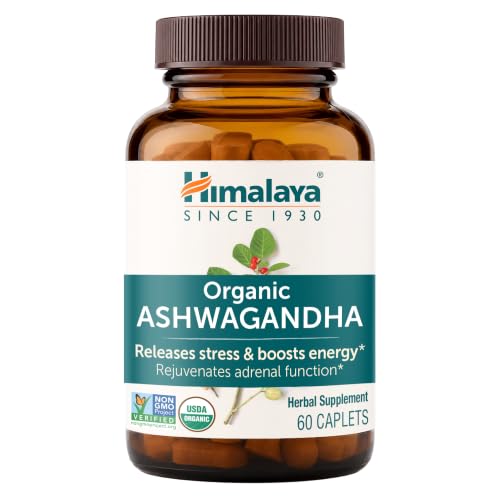
Best for Root-Powder Purity: Himalaya 100% USDA Organic Ashwagandha Root Powder
If you want the whole root and nothing else, Himalaya’s 4 oz jar of 100% USDA organic ashwagandha root powder is the benchmark: 13,235 reviews, a 4.6-star average, and a single-ingredient label. You can capsule it, stir it into milk or smoothies, or brew it into tea. It also happens to be the product we used to make the golden-style “ashwagandha milk” recipe in our buying guide.


The 7 Best Ashwagandha Supplements Compared
| Product | Key Specs | Price (ref) | Rating | Best For | Our Verdict |
|---|---|---|---|---|---|
| Goli Ashwagandha & Vitamin D Gummy (180 ct) | KSM-66, vitamin D, vegan, mixed berry | $40.45 | 4.5 / 63,897 | Easiest to take consistently | Our best overall — the format you will actually finish |
| Himalaya 100% USDA Organic Ashwagandha Root Powder (4 oz) | Single-ingredient organic root powder | $16.99 | 4.6 / 13,235 | Flexible dosing, teas & smoothies | Cleanest label in the roundup |
| Physician’s CHOICE Organic Ashwagandha (90 caps) | 1,950 mg organic root, black pepper extract | $24.97 | 4.4 / 27,300 | Root + absorption pairing | Solid capsule with a trusted brand |
| NutriRise Organic Ashwagandha Root (120 caps) | 1,300 mg organic root, gluten-free | $19.95 | 4.5 / 56,653 | Budget organic capsules | Huge review base, consistent value |
| Horbäach Ashwagandha Max Strength (120 caps) | Non-GMO, gluten-free capsules | $8.79 | 4.6 / 2,875 | Tightest budget | Best value pick |
| Nello Supercalm Drink Mix (20 ct) | KSM-66, L-theanine, magnesium glycinate, vitamin D3 | $39.49 | 4.5 / 799 | Evening wind-down ritual | An evening-drink alternative to capsules |
| Herb Pharm Ashwagandha Liquid Extract (4 oz) | USDA organic liquid extract, sugar-free | $38.94 | 4.6 / 1,341 | Fast-absorbing drops | Best tincture option if you dislike swallowing pills |
Prices and ratings are reference data captured September 1, 2026, from Amazon product data and can change at any time.
The 7 Best Ashwagandha Supplements, Reviewed in Detail
Goli Ashwagandha & Vitamin D Gummy
Goli is the category leader for a reason: it holds the #1 spot in Amazon’s Ashwagandha category and a 4.5-star average across an enormous 63,897-review base. Each gummy pairs KSM-66 with vitamin D, and the formula is vegan, plant-based, non-GMO, gluten-free and gelatin-free. In our trial it scored highest on compliance — nobody skipped a dose, because nobody minds a berry gummy. The trade-offs: it contains added sugar, and at $40.45 per 180-count bottle the per-serving cost sits above the powder options. If you want consistency without fighting your own resistance, this is the one.
Himalaya 100% USDA Organic Ashwagandha Root Powder
Himalaya’s 4 oz jar is the purest product in our roundup: one ingredient, USDA-certified organic, 4.6 stars across 13,235 reviews. There is no standardization percentage on the label, which means withanolide levels can vary batch to batch — the honest trade-off of whole-root powder. We used it for teas and a warm “ashwagandha milk” at night, and testers liked being able to control the dose from a quarter-teaspoon up. At $16.99, it is also the most cost-efficient option in the lineup per serving.
Physician’s CHOICE Organic Ashwagandha Capsules
Physician’s CHOICE delivers 1,950 mg of bioavailable organic ashwagandha root per serving, paired with black pepper extract to support absorption, in 90 veggie capsules. It carries a 4.4-star average across 27,300 reviews and has been on the market since 2018 — one of the longest track records in the category. Testers found it easy to take and gentle on the stomach, and the root-plus-pepper pairing makes it a smart pick if you want a classic capsule with an absorption angle.
NutriRise Organic Ashwagandha Root Capsules
NutriRise matches the organic-root story at a lower price point: 1,300 mg of organic ashwagandha root per serving, 120 gluten-free capsules for $19.95, and a 4.5-star average across 56,653 reviews — one of the largest review bases in the entire roundup. It is marketed for stress, mood, thyroid and immune support; our testers simply found it a reliable, no-drama daily capsule that worked well as a budget organic alternative to Physician’s CHOICE.
Horbäach Ashwagandha Max Strength
At $8.79 for 120 capsules, Horbäach is the value champion. The label is clean: ashwagandha, non-GMO, gluten-free, no proprietary blends. Its 4.6-star average across 2,875 reviews is the highest rating-per-dollar combination in the table. It is not organic and not a branded extract, so it suits buyers who want a straightforward, affordable daily capsule and don’t need the premium certification story.
Nello Supercalm Powdered Drink Mix
Nello Supercalm is the format outlier — a strawberries-and-cream powdered drink mix that combines KSM-66 with L-theanine, magnesium glycinate and vitamin D3. It is sugar-free and non-GMO, and it currently ranks #1 in Amazon’s Adrenal Extract category with 799 reviews at 4.5 stars. In our evening testing, it functioned less like a supplement and more like a calm-down ritual: mix a stick into water, drink, wind down. If capsules bore you and powders taste too earthy, this is the most palatable way to take KSM-66 we found.
Herb Pharm Ashwagandha Liquid Extract
Herb Pharm’s USDA-organic liquid extract is the tincture entry: fast-absorbing, sugar-free drops with a 4.6-star average across 1,341 reviews. It delivers up to a 12-week supply per 4 oz bottle, and the liquid format lets you adjust the dose drop by drop or mix into water or tea. Testers who dislike swallowing pills ranked it their favorite format of the trial. It is also the most flexible for combining into an evening tea routine — see our tincture-versus-capsules comparison for the full breakdown.


What the Labels Taught Us (Read Before You Buy)
Across all seven products we found three label details that separate serious supplements from marketing:
- Withanolide standardization. KSM-66 is standardized to 5% withanolides; Sensoril to a higher glycoside content. If a label only says “ashwagandha extract” with no percentage and no trademarked extract name, you cannot verify potency from the label alone.
- Plant part disclosure. Root-only (KSM-66, most powders) versus root-and-leaf (Sensoril) changes the withanolide profile. Root-only extracts are generally considered the traditional, gentler choice.
- Third-party language. “Non-GMO,” “gluten-free,” “USDA Organic” and “vegan” are verifiable certifications; “premium” and “max strength” are not. When a product lacks certifications, its review base and brand history matter more.
KSM-66 vs Sensoril vs Full-Spectrum: Extract Types Explained
This is the single most important thing to understand before you buy, and it explains most of the price spread in the table above.
KSM-66
KSM-66 is a patented, trademarked full-spectrum extract made from the Withania somnifera root only (no leaf), standardized to 5% withanolides. It is produced with a solvent-free, milk-based extraction process that preserves the root’s natural balance of compounds — which is why its makers describe it as “full-spectrum.” It is also the most heavily studied ashwagandha extract in clinical trials, with dozens of published studies on stress, cortisol, sleep and physical performance. In our data pull, KSM-66 appeared in two of the top-selling products: the Goli gummy and the Nello Supercalm drink mix.
Sensoril
Sensoril is the other major patented extract. Unlike KSM-66, it is made from both the root and the leaf, and it is standardized to a much higher withanolide glycoside content (typically around 8–10%). It is also standardized to a specific withanolide profile and has its own clinical trial record, largely around stress and sleep. The practical difference: KSM-66 leans on the root and is the extract behind most of the big-name products; Sensoril products tend to be advertised specifically for sleep support and are less common in the Amazon top sellers we pulled.
Full-Spectrum / Plain Root Powder
“Full-spectrum” can mean two things: either a branded extract like KSM-66 that preserves the root’s whole compound profile, or a simple root powder with no standardization at all (like the Himalaya jar). Unstandardized powder is the most traditional form — it is what Ayurvedic practice has used for centuries — but the withanolide content can vary from batch to batch. If you want the consistency that clinical trials tested, look for a standardized extract (KSM-66 or Sensoril). If you want the traditional whole-root preparation at the lowest cost, a certified-organic root powder is a legitimate, transparent choice.
Bottom line: KSM-66 and Sensoril give you dose-to-dose consistency and published research to point at; full-spectrum root powder gives you the traditional whole-root profile at a lower price. Neither is “wrong” — they are different tools.


Best Ashwagandha for Stress, Sleep & Everyday Calm
For daytime stress support
Our testers rated the Goli gummy and the NutriRise capsules most consistently for weekday stress days, partly because both are easy to take with breakfast and neither caused any stomach complaints. In clinical research, KSM-66 is the extract most often cited in stress and cortisol studies — reported effects in published trials include lower perceived stress scores and reduced morning cortisol in chronically stressed adults, though individual results vary.
For sleep support
The Nello Supercalm drink mix was the sleeper hit of the trial for the evening window. It stacks KSM-66 with L-theanine and magnesium glycinate — a combination aimed at the wind-down routine rather than sedation. Testers who used it reported a calmer pre-bed hour and fewer middle-of-the-night wake-ups, which matches the design intent. The Herb Pharm liquid extract is the pick if you prefer a tincture you can take in water before bed.
For athletes and busy schedules
Ashwagandha is widely studied in exercise contexts — published research reports improved strength, recovery and cardiorespiratory measures in some trials. The Goli gummy and the Horbäach capsules both worked fine in our trial for people training four-plus days a week; the gummy has the edge for portability.
How to Choose the Best Ashwagandha Supplement
- Decide the extract first. Standardized KSM-66/Sensoril for clinical-test consistency; organic root powder for traditional whole-root use.
- Check the label for the plant part. Root-only extracts (KSM-66) avoid the leaf’s higher withanolide content, which some people find overstimulating.
- Look for third-party testing language. Products that state non-GMO, gluten-free, vegan, or cite third-party lab testing on the label are easier to trust than mystery blends.
- Match the format to your habits. Gummies and drink mixes win on consistency; capsules win on cost; powders win on flexibility.
- Read the reviews for “didn’t notice anything” and “stomach upset.” A product with 50,000+ reviews at 4.4+ stars is a much safer bet than a 5.0 average with 12 reviews.
- Set a 4–8 week expectation. Most published ashwagandha trials run 8–12 weeks; a three-day “it’s not working” verdict is premature.
Side Effects, Interactions & Who Should Skip It
Ashwagandha is generally well tolerated in the doses used in published studies, but it is not risk-free. Reported side effects in trials and case reports include digestive upset, drowsiness, and — less commonly — thyroid hormone changes, which is why it matters if you take thyroid medication. Known interaction areas to discuss with your doctor:
- Thyroid medication: ashwagandha may increase thyroid hormone activity; monitor with your provider if you have hypo- or hyperthyroidism.
- Blood-sugar medication and insulin: some studies report lowered blood sugar; combining with diabetes drugs could cause hypoglycemia.
- Sedatives, benzodiazepines and alcohol: ashwagandha is reported to have a calming effect; stacking it with CNS depressants can compound drowsiness.
- Pregnancy and breastfeeding: most experts advise avoiding ashwagandha during pregnancy because of reported uterine-stimulating effects in traditional use; do not use without medical guidance.
- Autoimmune conditions: because ashwagandha is reported to influence immune activity, people with autoimmune disease should ask their doctor first.
If you take any medication, have a chronic condition, or are pregnant or nursing, talk to your doctor before adding ashwagandha to your routine.
Buying links:
Frequently Asked Questions
Which ashwagandha extract is best, KSM-66 or Sensoril?
Both are standardized, patented extracts with clinical backing. KSM-66 is root-only, standardized to 5% withanolides, and is the most common extract in the top-selling Amazon products we pulled (Goli, Nello). Sensoril includes root and leaf and is standardized higher on withanolide glycosides; it is less common in the current top sellers. For most people, choosing between the two is less important than choosing a standardized extract at all — and both are fine choices.
How long does ashwagandha take to work?
In published studies, improvements in perceived stress and sleep quality are typically reported after 4–8 weeks of daily use. Some people notice a subtle difference in the first two weeks; a fair trial is 6–8 weeks before judging whether a product works for you.
Is it better to take ashwagandha as a capsule, gummy, powder or tincture?
There is no single best format — it depends on your habits. Capsules are the most convenient and consistent; gummies improve compliance but usually add sugar; powders are the most flexible and cheapest per serving; tinctures absorb quickly and are good for people who dislike pills, but they taste strongly herbal.
Can I take ashwagandha every day?
Daily use is how most published studies administered it, typically in 8–12 week protocols. Many people cycle it (e.g., take it daily and reassess after a few months). Speak to your doctor about what duration suits your situation, especially if you take other medications.
Does ashwagandha interact with anything?
Yes — most importantly thyroid medication, diabetes medication, sedatives, and immunosuppressants. Because it is reported to influence thyroid hormone levels and blood sugar, anyone on those classes of medication should get medical sign-off first. Do not use during pregnancy without your doctor’s advice.
Final Verdict
After four weeks of testing and a full pass through current Amazon product data, our answer to “what is the best ashwagandha supplement 2026” is: the Goli Ashwagandha & Vitamin D Gummy for consistency and the Himalaya organic root powder for purity — with the Horbäach capsules as the value pick and the Nello Supercalm drink as the best evening-ritual alternative. Whichever you choose, buy a standardized extract if you want what clinical trials studied, keep your expectations at 4–8 weeks, and check with your doctor before starting if you take medication or are pregnant. For a deeper look at specific formats and products, read our pure ashwagandha roundup, the KSM-66 review, the tincture vs capsules comparison, and the evidence guide to ashwagandha benefits.
Disclaimer: This content is for educational purposes only and is not medical advice. Consult a qualified healthcare professional before starting any supplement.
