Panchakarma Detox: What It Is, What to Expect, and Is It Right for You


Panchakarma keeps coming up in 2026 wellness trend reports. It’s easy to see why. In a wellness world full of quick fixes, this ancient practice offers something more structured. “Panchakarma” means “five actions.” It’s Ayurveda’s best-known deep-cleansing therapy. The goal: clear built-up toxins, called ama in Ayurveda, and restore balance to the doshas.
The Ayurvedic Theory Behind Panchakarma
In Ayurvedic thought, ama forms when digestion is incomplete or the body is out of balance, and it accumulates in tissues over time, eventually contributing to a wide range of symptoms, from fatigue and joint stiffness to skin issues and digestive complaints. Panchakarma is designed specifically to loosen this accumulated ama and move it out of the body through the digestive and eliminatory systems, rather than simply managing symptoms as they appear. This is a fundamentally different model from a typical Western detox diet, which usually focuses on what you eat rather than a structured physiological process.
This theory also explains why Panchakarma is considered a whole-system reset rather than a targeted treatment for one symptom. Ayurveda views the body as an interconnected system governed by the three doshas: Vata, Pitta, and Kapha. Illness and discomfort are understood as signs that one or more doshas have become imbalanced, often because ama has accumulated somewhere in the body and disrupted normal function. Rather than treating a single symptom in isolation, Panchakarma aims to address the underlying imbalance that’s producing several symptoms at once, which is part of why practitioners often ask detailed questions about digestion, sleep, energy, and mood together during an initial consultation, rather than focusing on just the presenting complaint.
The Three Phases of Panchakarma
1. Purvakarma (Preparation)
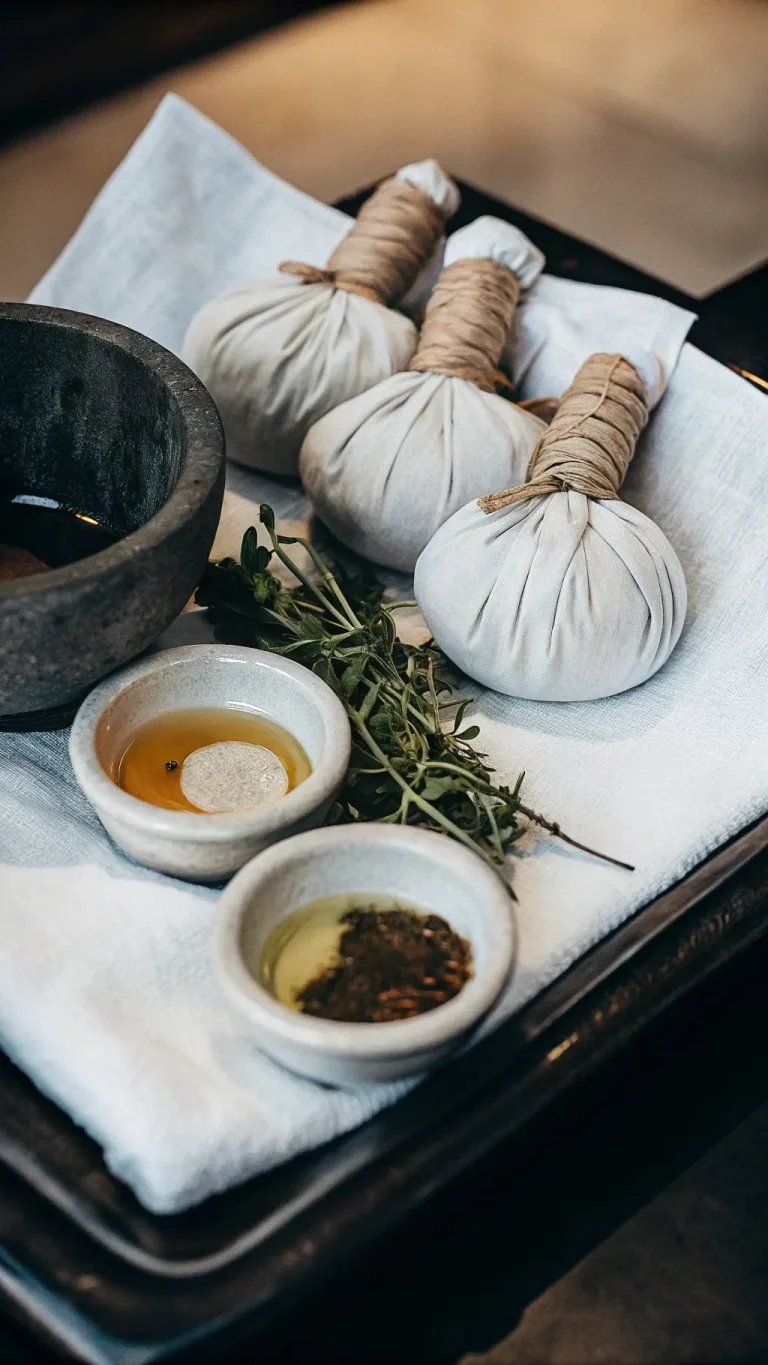
Before any cleansing therapy begins, the body gets prepared. This usually involves internal and external oleation, meaning oiling the body and consuming medicated ghee. It also involves sudation, or herbal steam therapy. Both loosen toxins and move them toward the digestive tract, where the body can eliminate them. This phase alone can take several days to a week, and skipping it is considered a common mistake that reduces the effectiveness of the main therapies that follow.
2. The Five Main Therapies
Not everyone receives all five. A practitioner selects the ones suited to your constitution and imbalance.
- Vamana (therapeutic vomiting): used for Kapha-related conditions like congestion.
- Virechana (purgation): a controlled cleanse for Pitta-related conditions and skin issues.
- Basti (medicated enema): the most important therapy for Vata disorders, including joint and nerve issues. This overlaps with the castor oil enema approach in our guide to castor oil enemas in Ayurveda.
- Nasya (nasal administration): herbal oils or powders given through the nose, used for head, sinus, and neurological concerns.
- Raktamokshana (bloodletting): a specialized therapy for certain blood-related skin conditions. Used far less today, and only by highly trained practitioners.
3. Paschatkarma (Recovery)
After the main therapies, food and routine return gradually. Rejuvenating herbs, called Rasayana, help rebuild strength. Traditional practice takes this phase seriously. Rushing back to normal life too fast is considered counterproductive, and traditional texts describe a gradual, staged reintroduction of foods over several days rather than resuming a normal diet immediately.
What a Modern Panchakarma Program Looks Like
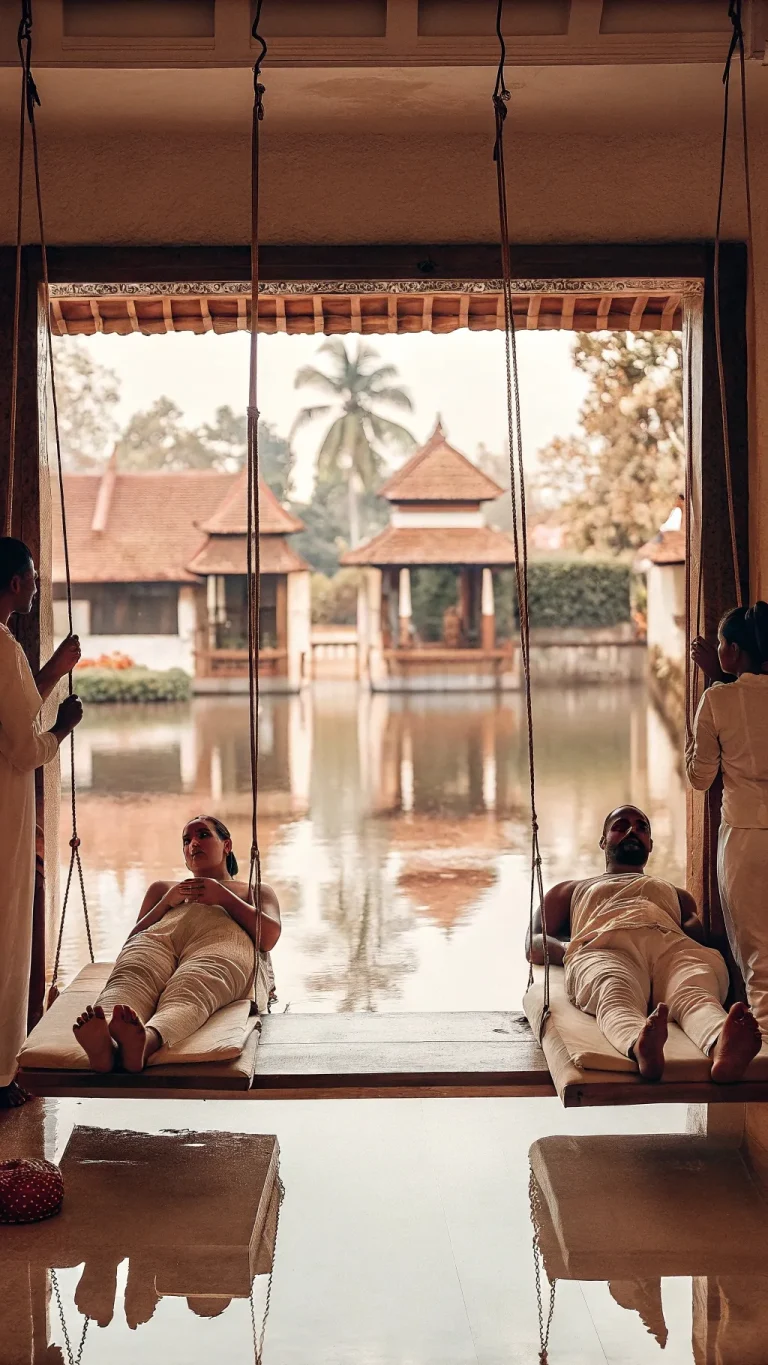
Traditional programs can run three to four weeks. But many wellness centers now offer shorter introductory versions, three to seven days, for first-timers. These usually include daily oil massage (Abhyanga), herbal steam, a simplified cleansing diet, and one or two gentler main therapies instead of the full five. A typical shortened program day might begin with an early morning herbal tea, followed by oil massage and steam, a light Ayurvedic breakfast, one of the main therapies if scheduled for that day, rest, and an early, simple dinner.
The Cleansing Diet in Detail
Diet during Panchakarma is not incidental; it’s considered part of the therapy itself. Most programs use a simplified, warm, easily-digestible diet centered on kitchari, a spiced blend of rice and split mung beans cooked until soft. This dish is chosen specifically because it’s gentle on digestion while still providing complete protein and steady energy, which matters since the body is directing significant resources toward the cleansing process during this time. Raw foods, cold foods, caffeine, alcohol, and heavily processed foods are typically avoided throughout the program, since they’re considered harder to digest and more likely to generate additional ama rather than help clear it. Some programs adjust the specific spicing and ingredients of the kitchari based on your individual dosha imbalance, using warming spices like ginger and cumin for Vata or Kapha imbalances, and cooling herbs like coriander and fennel for Pitta imbalances.
What You Might Feel During the Process
It’s common to feel more tired than usual during the early days of a Panchakarma program, as the body redirects energy toward the cleansing process rather than normal activity. Mild headaches, changes in bowel habits, and emotional shifts are also commonly reported, especially during Purvakarma as toxins begin mobilizing. Most practitioners consider this a normal, expected part of the process, though it’s worth discussing what’s expected versus what might warrant checking in with your practitioner before you begin.
Who Should Consider It, and Who Shouldn’t
Panchakarma is often considered for people with chronic digestive issues, joint pain, skin conditions, or those simply wanting a structured seasonal reset. It’s not appropriate during pregnancy, for very frail or elderly individuals without modification, or without a proper practitioner assessment first. People with certain acute illnesses, recent surgery, or unstable chronic conditions should also wait and consult both their Ayurvedic practitioner and their regular doctor before beginning. New to Ayurveda? Our overview of the 8 branches of Ayurveda is a good place to see where Panchakarma fits into the bigger picture.
Seasonal Timing
Traditional Ayurveda often recommends Panchakarma around seasonal transitions, particularly spring and fall, when the body is thought to be naturally more receptive to cleansing and doshas are shifting with the change in weather. This isn’t a strict rule, but it’s a common reason many wellness centers see seasonal spikes in Panchakarma bookings around these times of year. Spring programs are traditionally aimed at clearing Kapha buildup accumulated over winter, showing up as sluggishness or congestion, while fall programs often focus on grounding Vata before the more erratic energy of winter sets in.
Panchakarma at Home vs. at a Center
While the full five therapies require a trained practitioner and appropriate facilities, some elements of Purvakarma, like daily self-administered oil massage and a simplified cleansing diet, are sometimes practiced at home as a gentler, ongoing seasonal ritual rather than a formal program. This is sometimes called a “home Panchakarma” or seasonal cleanse, and while it doesn’t replace a supervised program for someone with a specific health concern, many Ayurvedic practitioners view it as a reasonable, lower-intensity way to stay connected to these practices between formal programs.
Finding a Practitioner
Panchakarma is not a do-it-yourself program. Look for a practitioner trained specifically in Panchakarma, not just general Ayurvedic consultation. Ask about their training lineage, where they studied, and how many years of hands-on Panchakarma experience they have specifically, since consultation training and Panchakarma administration are genuinely different skill sets. Expect an initial consultation to determine your dosha and specific protocol before any treatment begins; a practitioner who skips this step and offers a generic program to everyone is a red flag.
Cost and Time Expectations
A shortened introductory Panchakarma program typically runs several days to a week and requires a significant time commitment, since many of the daily therapies can’t simply be fit around a normal work schedule. Costs vary widely by region and program length, and traditional multi-week programs represent a considerably larger investment of both time and money than a shortened introductory version, which is why many first-timers start with the shorter format before committing to a longer traditional program.
Frequently Asked Questions
How long does a Panchakarma program usually take?
Programs vary widely, from a shortened 3-5 day introductory cleanse to a traditional 21-28 day program, depending on the person’s constitution and goals.
Is Panchakarma safe for everyone?
Panchakarma involves significant bodily processes and is not appropriate during pregnancy, for very frail individuals, or for certain medical conditions. A qualified practitioner should assess suitability first.
What’s the difference between Panchakarma and a regular detox diet?
A detox diet usually just changes what you eat for a short period. Panchakarma is a structured therapeutic process involving specific treatments, like medicated oils, herbal steam, and cleansing therapies, guided by a practitioner, not just a dietary change.
What should I expect to feel during a Panchakarma program?
Mild fatigue, changes in bowel habits, and emotional shifts are commonly reported, especially in the early preparation phase, and are generally considered a normal part of the process by most practitioners.
When is the best time of year to do Panchakarma?
Traditional Ayurveda often recommends seasonal transitions, particularly spring and fall, though this isn’t a strict requirement and programs are offered year-round.
Can I do any part of Panchakarma at home without a practitioner?
Some gentler elements, like daily self-oil massage and a simplified cleansing diet, are sometimes practiced at home as an ongoing seasonal ritual, but the full five therapies require a trained practitioner and appropriate facilities.